




Top-rated deck staining pros.

Get matched with top deck staining pros in Eagle River, WI

Enter your zip and get matched with up to 5 pros

Need a pro for your deck staining project in Eagle River, WI?

Select your specific project to find the pro for you.

TRUSTED BY EAGLE RIVER, WI HOMEOWNERS

  • Average homeowner rating star icon5
    Average homeowner rating
  • Verified reviews icon12
    Verified deck staining services reviews
Deck Staining questions, answered by experts

It’s best to use an exterior latex acrylic paint to promote maximum adhesion to composite decking. This flexible paint type can better cope with the natural expansion and contraction that can occur with composite deck boards. Oil-based paints won’t adhere as effectively and are more likely to crack and peel as the boards flex. Testing whether your chosen paint will stick on an inconspicuous section or a spare board is a good idea.

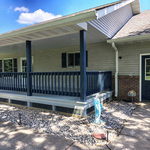
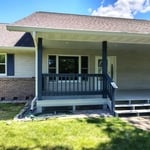
You don't need to seal your deck after painting it because most exterior paints are waterproof and weather-resistant. While stealing is not necessary, it can add an additional layer of protection.

A wood deck requires annual cleaning and regular inspections for loose or broken boards, nails, and screws. It should be refinished by applying a stain or sealer every two to three years to protect the wood from water damage, rot, mildew, and sun fading. The exact frequency can depend on the climate and the deck's exposure to sun and moisture. If your deck is painted, it will need repainting approximately every 10 years. Signs that your deck needs refinishing include faded, splintering, or warping boards.

Yes, professionals offer slip-resistant options for added workplace safety.

Limewash and whitewash are two techniques used to give brick a light, matte finish, but they differ in composition, application, and permanence. The best choice depends on your aesthetic goals and the specific surface.

Composition

  • Limewash: A natural and environmentally friendly option made from limestone, water, and sometimes pigments. It is breathable and soaks into porous surfaces like brick.

  • Whitewash: Traditionally made from lime, water, chalk, and binders, but a similar look can be achieved with watered-down white paint. It is paint-based and sits on top of the surface.

Appearance and Finish

  • Limewash: Provides a natural, textured appearance that allows the brick's character to show through. It offers a more traditional finish.

  • Whitewash: Creates a softer, more opaque finish, often used for a rustic or shabby-chic style.

Application and Permanence

  • Limewash: Is semi-permanent and can be removed, making it a good choice if you might want to change the look in the future. It requires more skill to apply and cannot be used on previously painted brick.

  • Whitewash: Is a more permanent solution. It is more forgiving to apply and can be used on painted brick. However, because it sits on the surface, it can trap moisture.

Ultimately, if you want a breathable, natural, and reversible finish for unpainted brick, limewash is a great option. If you need a more permanent, opaque coating that can be applied over painted surfaces, whitewash is the better choice. Whitewashing may also be more economical, costing approximately $1.40 to $4.20 per square foot.