









Top-rated landscapers.

Get matched with top landscapers in Coleman, WI

Enter your zip and get matched with up to 5 pros

Need a pro for your landscaping project in Coleman, WI?

Select your specific project to find the pro for you.

Find Landscapers in Coleman

Avatar for VDV Landscaping, LLC
VDV Landscaping, LLC
5.0(
2
)
Landscape - Install Landscaping for Yard or GardenLandscape - Install Landscaping for Yard or Garden - For BusinessLandscape - Minor Grading or Resloping+6 more

Serving Coleman, WI and surrounding areas

Approved

In business since 2024

Free estimates

Offers commercial services

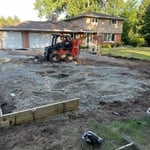
"My rock border was full of dirt and weeds. The guys took out the stones, cleaned them off on the driveway, put down new weed guard, then replaced the stones and added more to fill in. It looks like new! They also sawed down a couple of stumps and worked around my existing plants. Pleased with how it turned out!"
Response time3 days

Avatar for TaskEasy, Inc.
TaskEasy, Inc.
2.7(
160
)
Lawn Care - Maintain and Mow a Lawn

Serving Coleman, WI and surrounding areas

Approved

In business since 2013

Free estimates

Emergency services offered

"They did an excellent job at my home. However, when I rented my home and no longer needed their services, they kept coming. I m still not sure they have got the message I no longer require their service. Should I need their services again, I would call them."
Handy Home Lawn Care
Response time1 day
Recommended by67%of homeowners
Avatar for Concrete Craftsman LLC
Concrete Craftsman LLC
New to Angi
Landscape Curbing - Install

Serving Coleman, WI and surrounding areas

Approved

Free estimates

Offers commercial services

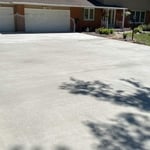
Highly experienced for over 10 years in the design and installation of all concrete flatwork and surface applications. The installation and replacement of any and all concrete structures such as driveways, curbs, sidewalks and patios. Free estimates, contact us for all your needs!

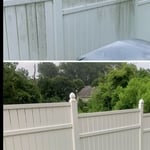
Before replacement
After replacement
...
Showing 1-10 of 77
Landscaping questions, answered by experts

Yes, you can landscape in the rain, but you should take some precautions to keep yourself and your tools safe. Avoid using electric landscaping tools during rainfall, and don’t mow, thatch, aerate, or rake in the rain, as your tools can more easily tear out roots in the loose soil. Be careful when working on wet grass, and take your time to avoid slipping. Avoid putting in new plants before a particularly bad storm, as heavy rain and strong winds can damage or uproot plants that aren’t yet established.

The primary disadvantages of xeriscaping are the high upfront cost and the significant labor required to establish it. A xeriscaping project can cost between $3,000 and $24,000 on average. Additionally, the resulting landscape will have less of a traditional green appearance, which may not appeal to everyone's personal taste and could potentially narrow your pool of buyers if you decide to sell your home. However, despite these initial drawbacks, the long-term benefits include saving water, time, and money on lawn maintenance.

Unless it only rains once in a blue moon where you live, you’re going to want water-loving plants in your garden bed or pot. A few ideas for plants that aren’t super fast-growing (meaning they’re good in pots or near foundations) and can handle a lot of standing water include: 

  • Acorus (Sweet flag)

  • Colocasia esculenta (Taro or elephant ear): In many climates, these are annuals, making them less desirable because you need to adjust the chain again after each replant.

  • Equisetum scirpoides (Dwarf horsetail rush): non-dwarf varieties of horsetail are fast growers and can take over quickly.

  • Juncus effusus (Curly rush)

  • Osmunda regalis (Royal fern): Royal fern can grow quickly but can also handle being crowded, making them good container plants.

As much as you might try to keep a healthy, nutrient-rich lawn, you still may notice signs of St. Augustine decline (SAD)—a viral disease that discolors your grass blades. St. Augustine decline looks like:

  • Discoloration in the leaves (chlorosis)—leaves appear yellow and splotchy

  • Decline in growth

  • Leaves turn black within 3 years

  • Grass appears less vibrant

  • Grass begins to thin

  • Root rot

  • Grass takes longer to recover

Most experts recommend a quarter-inch layer of compost for best results, and you will need about .77 cubic yards of material per 1,000 square feet. To measure how much compost to use, take the square footage of your yard and multiply it by .77, then divide that number by 1,000.

The Coleman, WI homeowners’ guide to landscaping services

From average costs to expert advice, get all the answers you need to get your job done.