


Top-rated energy efficiency auditors.

Get matched with top energy efficiency auditors in Cascade, WI

Enter your zip and get matched with up to 5 pros

Need a pro for your energy efficiency auditing project in Cascade, WI?

Select your specific project to find the pro for you.

Find Energy efficiency auditors in Cascade

Goodman Home Inspections, LLC
New to Angi

Serving Cascade, WI and surrounding areas

Approved

My name is Darryl Goodman and I am retired from the military after 26 years of successful service. As a home inspector, I bring with me a strong foundation of professionalism, hard work, and a meticulous attention to detail. Leveraging extensive experience in both civilian and military construction, I possess a unique skill set that enhances my ability to assess and ensure the safety and integrity of residential properties.


Energy Efficiency Auditing questions, answered by experts

Audits include inspecting insulation, HVAC systems, windows, and appliances to identify energy inefficiencies.

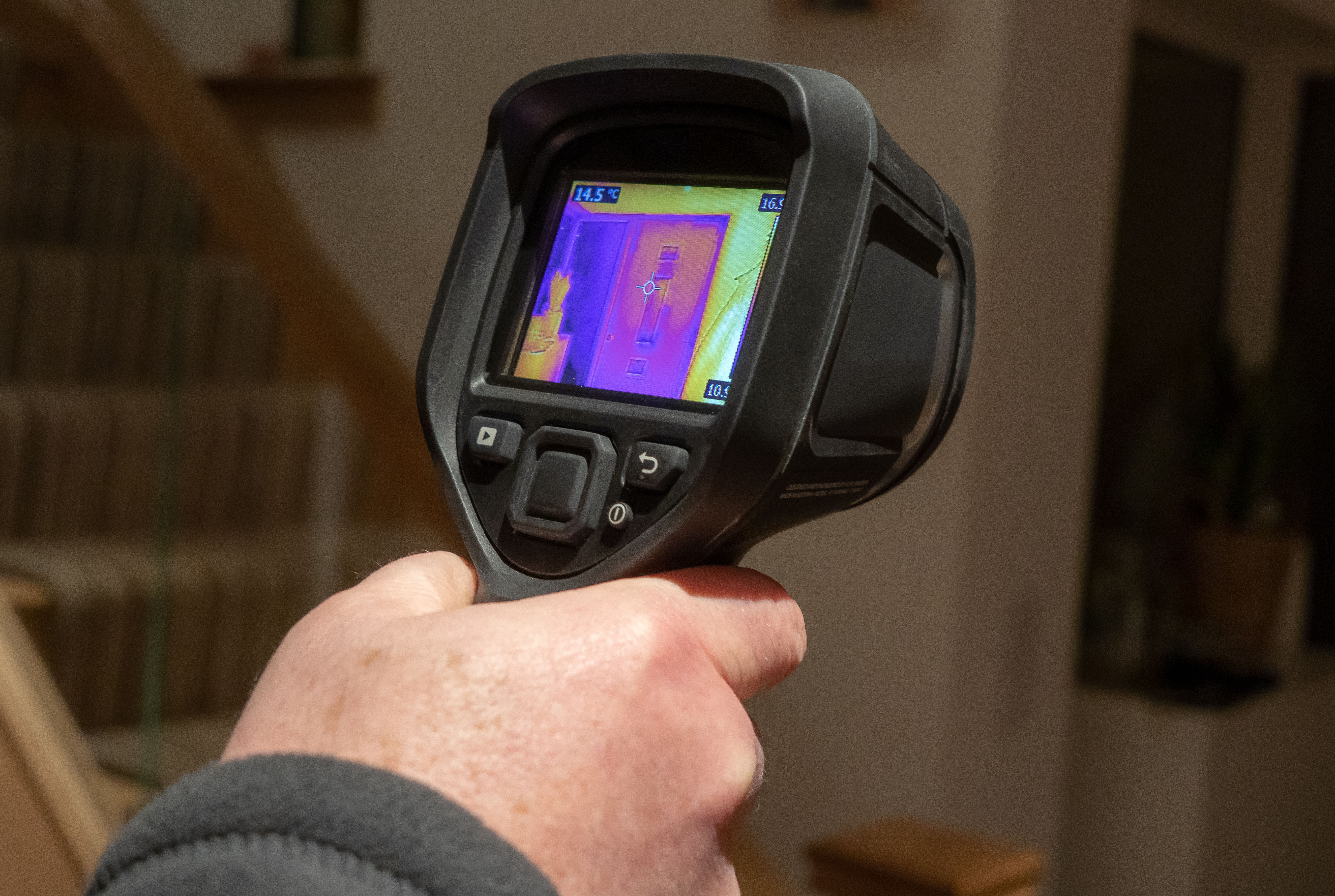
The difference between an energy auditor and a home inspector is primarily in the purpose of the inspection. The energy auditor conducts tests in your home to determine the energy efficiency levels in areas like windows, insulation, and doorways. The auditor then makes recommendations for ways to improve a home’s energy efficiency

A home inspector examines various structures of your home to determine that everything is up to code and gauge the condition of features like the roof, foundation, HVAC, and electrical. The home inspector reports on the overall home and makes repair recommendations.

Motion-sensor lights use one watt while on standby and five watts while turned on. They’re usually on for one hour over a 24-hour period, bringing the total wattage to about 28 watts per day. LED lights use around 6.5 to 8 watts while on. If you leave an LED light on all night, with night ranging from 10 to 14 hours, you’re looking at using 65 to 112 watts a night. You can minimally cut your wattage in half by switching to a motion-sensor light.

ENERGY STAR®-certified windows are the most energy-efficient windows on the market. This certification means that the window meets strict efficiency guidelines set forth by the Environmental Protection Agency. While they might cost more upfront, they can save you money on your energy bills in the long run. ENERGY STAR®-certified windows lower household energy bills by an average of 12% annually.

Smart glass doesn’t use a lot of electricity, and you can expect a standard window to add between $1 and $2 per year to your electric bills. Smart glass is proof that energy-efficient windows work. Although your smart windows may consume a little energy to operate, they can save enough energy to offset the costs. If you’re concerned about the minimal bump to your electricity consumption, you can opt for smart tint, which doesn’t require electricity to work.

The Cascade, WI homeowners’ guide to energy efficiency auditing services

From average costs to expert advice, get all the answers you need to get your job done.