




Top-rated arborists.

Get matched with top arborists in Blair, WI

Enter your zip and get matched with up to 5 pros

Need a pro for your arboricultural service project in Blair, WI?

Select your specific project to find the pro for you.

TRUSTED BY BLAIR, WI HOMEOWNERS

  • Average homeowner rating star icon4.4
    Average homeowner rating
  • Verified reviews icon14
    Verified arboricultural services reviews

Find Arborists in Blair

Bear Point LLC
New to Angi
Tree RemovalTree Stump - RemoveTree Trimming+1 more

Serving Blair, WI and surrounding areas

Approved

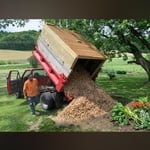
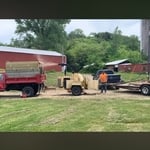
\nBear Point LLC specializes in land clearing, forestry mulching, brush removal, excavation, grading, and site preparation throughout Wisconsin. We take pride in providing reliable service, honest communication, and quality workmanship on every project. Whether you’re preparing a homesite, clearing trails, reclaiming overgrown property, or improving your land, we’re committed to delivering efficient, cost-effective solutions with a focus on safety and customer satisfaction.


1 neighbors recently requested a quote
Northwoods Stump Grinding
New to Angi
Tree RemovalTree Stump - RemoveTree Trimming

Serving Blair, WI and surrounding areas

In business since 2025

Free estimates

Credit card accepted

We take great pride in our experience, expertise, quality, and customer service that we provide to meet the consumer’s needs. It is our mission to provide excellent workmanship and complete customer satisfaction from start to completion of a project. In order to understand the needs and expectations of our customers, we take great care to work and communicate with every customer.\n

Cutting trails
Cutting trails
Stump grinding
Stump grinding
Stump grinding

+6

Showing 1-10 of 25
Arborists questions, answered by experts

Tree roots don’t necessarily break through concrete on their own, but they can certainly take advantage of existing cracks, even very small ones. As roots grow, they expand the cracks, making them larger and leading to serious and costly foundation damage. It’s a good idea to have repairs on any foundation cracks you’re concerned about.

It’s not as common for Dutch elm disease to affect other types of trees, especially if the surrounding trees aren’t elms. However, it is possible for DED to spread to other trees, particularly in northern states, like Minnesota. In fact, it’s a good idea to use geography to identify wood and determine which types of trees are in your yard. 

Unfortunately, the complex and shallow root system of elm trees makes surrounding elm trees particularly vulnerable to DED. Early discovery is key!

While there is a lot of debate about whether boiling water is strong enough to kill tree roots, it is not best to remove the roots from large, old trees. You may be able to weaken young roots enough to remove them manually, but boiling water will likely not do the trick for large root systems.

If a tree isn’t pruned, it can inhibit proper growth and fruit production, cause damage to both the tree and your property, and create entry points for pests and diseases. Pruning a tree enhances its stability, appearance, shape, and growth. Pruning trees regularly can also save you money long-term by avoiding overgrown or dangerous dying trees.

The best time to transplant a tree is when it is dormant. For many trees, this means either in the fall after the leaves have dropped (around October or November) or in early spring before new growth begins (around March). The ideal timing can depend on the type of tree. Deciduous trees do well when moved in early spring or fall, while evergreens are best transplanted in early spring or late summer. For example, pine trees are best moved in early fall, but maples prefer late fall. Avoid transplanting in winter, as the frozen or hard, cold soil poses a significant risk to the roots and prevents the tree from acclimating properly.

The Blair, WI homeowners’ guide to arboricultural services

From average costs to expert advice, get all the answers you need to get your job done.