

Top-rated deck maintenance specialists.

Get matched with top deck maintenance specialists in Auburndale, WI

Enter your zip and get matched with up to 5 pros

Need a pro for your deck maintenance project in Auburndale, WI?

Select your specific project to find the pro for you.

Find Deck maintenance specialists in Auburndale

Castrosremodelingllc
5.0(
1
)
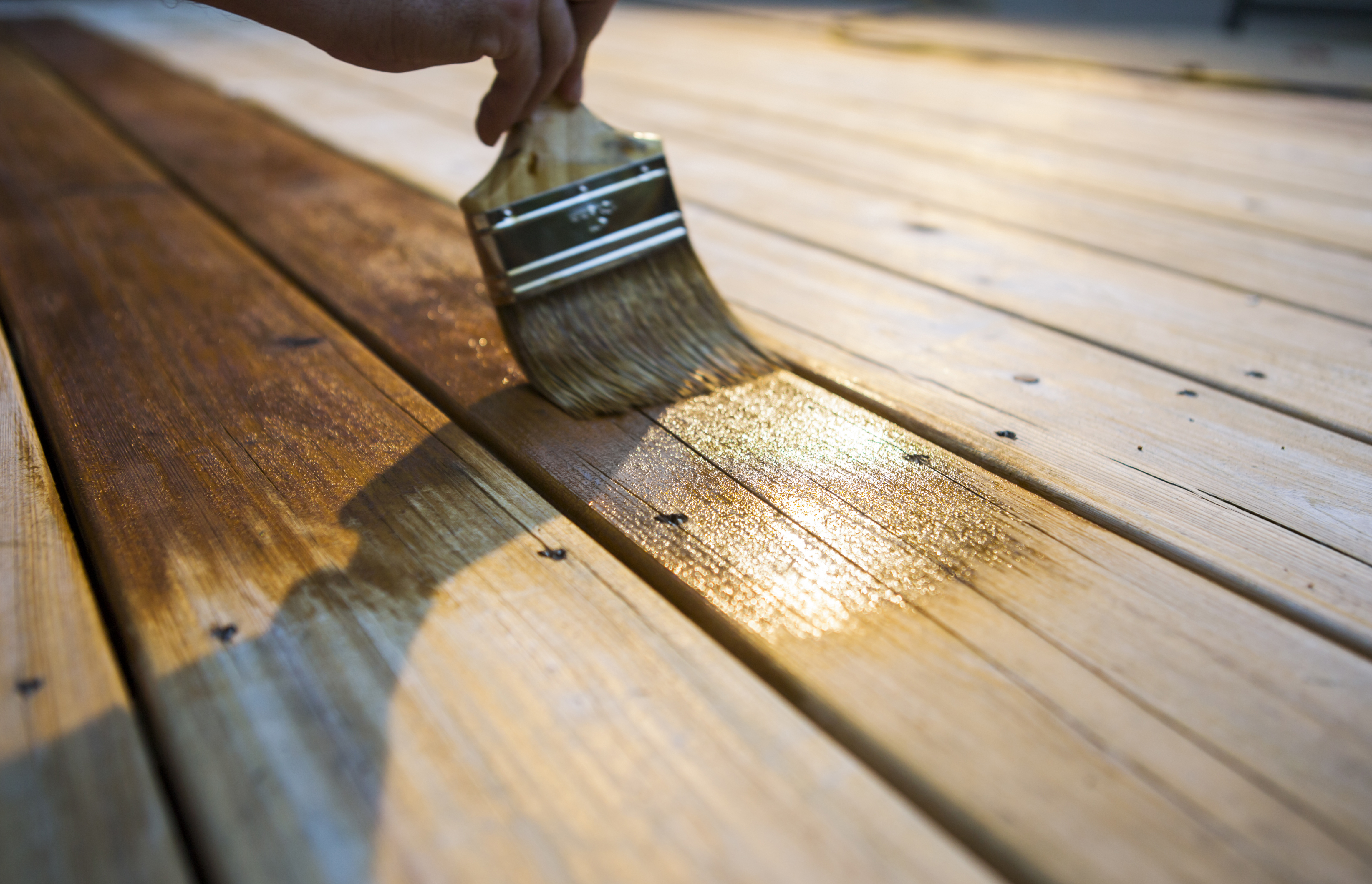
Deck, Fence, Patio or Porch - Clean and Seal

Serving Auburndale, WI and surrounding areas

In business since 2017

Free estimates

Credit card accepted

We take great pride in our experience, expertise, quality, and customer service that we provide to meet the consumer's needs. It is our mission to provide excellent workmanship and complete customer satisfaction from start to completion of a project. In order to understand the needs and expectations of our customers, we take great care to work and communicate with every customer in a professional manner. Our reputation is based on service, safety, and quality, regardless of how large or small the job.

Response time4 hrs
Response rate100%
Recommended by100%of homeowners
Avatar for TSF Construction, LLC
TSF Construction, LLC
5.0(
2
)
Deck, Fence, Patio or Porch - Clean and Seal

Serving Auburndale, WI and surrounding areas

In business since 2002

Free estimates

"Tim Karl is a licensed General Contractor in this area who has always provided great work for me. He does decks, windows, flooring, siding projects just to name a few. he is always on time as scheduled, and does exactly what he says he will do. I have never had any problems with his work and he has provided fair and competitive pricing. Based on my experiences with Tim, I recommend TSF Construction for your next big project."
Remodeling  project
Remodeling project
Remodeling project
Remodeling project
Remodeling

+23

Response time5 hrs
Recommended by100%of homeowners
Showing 1-10 of 18
Deck Maintenance questions, answered by experts

While you can use various materials like sand or even just soil, gravel is widely considered the best option to put under a deck. It provides excellent drainage and is resistant to water, fire, and pests. Gravel also helps anchor the soil to prevent erosion during heavy rain and acts as a built-in weed blocker, reducing regular upkeep. Furthermore, it is simple to spread, available in various textures and tones, and adds a polished look that complements any deck design.

A deck that isn’t attached to a house is called a floating or freestanding deck. These standalone decks are built near ground level, so they usually don’t need deck stairs. Some don’t even require permits. Generally speaking, building a floating deck is faster and more DIY-friendly than constructing one that’s connected to your home.

As with patios, there are many types of deck choices to choose from to add personalization to your home. Some common deck options include:

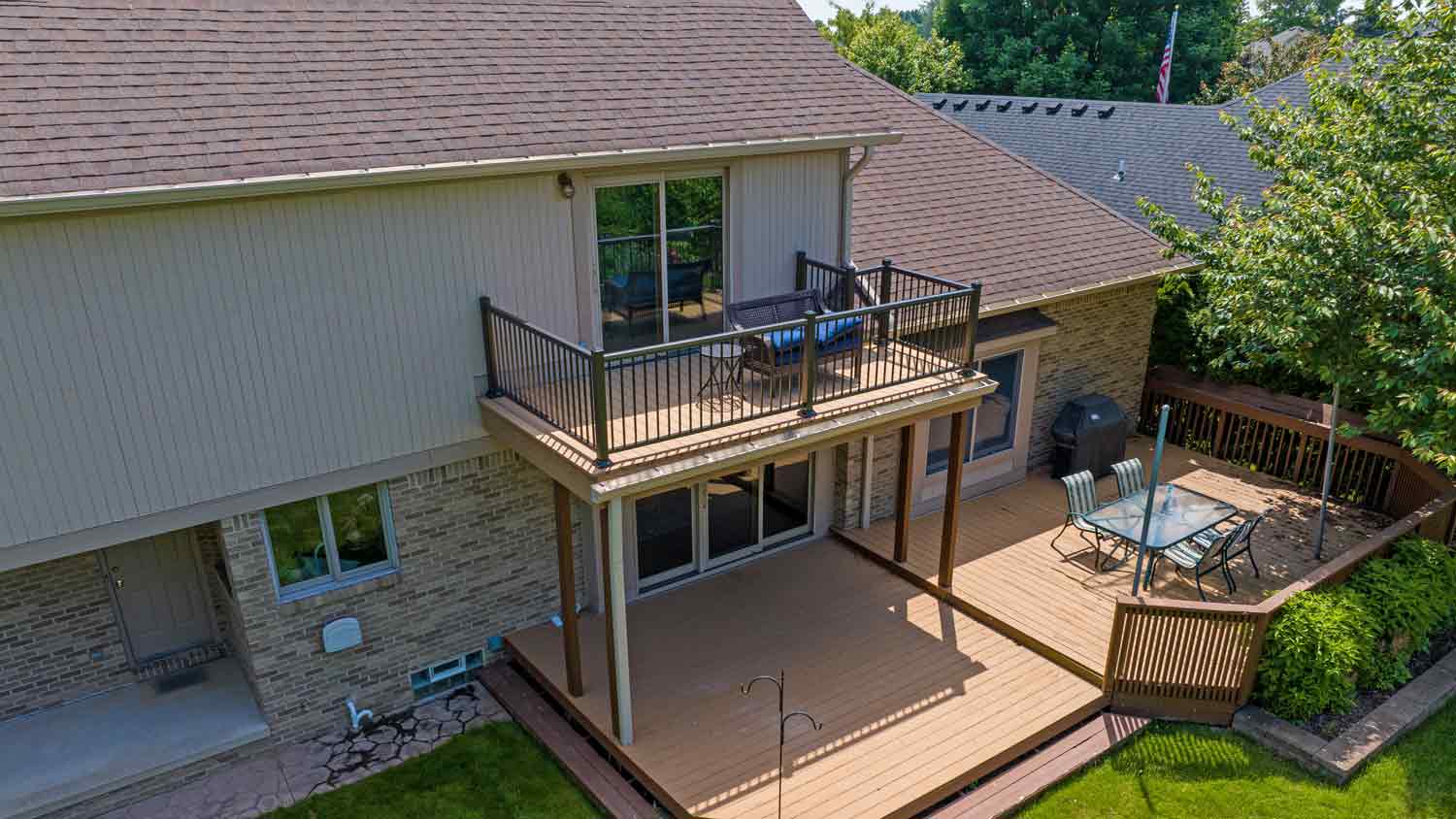
  • Attached decks are anchored to the home and include simple ground-level options or multi-level structures with stairways and separate landings. 

  • Detached island decks are not attached to the home; they’re a freestanding structure in the yard. 

  • Wraparound decks connect the back of the house with at least one other side and often are built with railings for safety. 

  • Multi-level decks connect your deck through varying levels of elevation, featuring landings that are attached to stairs.

The choice between Trex, a brand of composite decking, and PVC decking depends on your priorities regarding budget, appearance, and environmental impact. Both materials are durable and resistant to moisture and insects. Trex is often considered more eco-friendly because it contains recycled wood and plastic and is 25% recyclable, while PVC is fully synthetic and harder to recycle. Aesthetically, Trex is designed to look more like real wood, whereas PVC often has a glossier, more plastic-like finish. In terms of cost, Trex is typically less expensive than PVC.

Footings for ground-level decks need to be at least 12 inches deep, and some areas require them to be even deeper. A standard range for deck footings is anywhere from 12 to 48 inches. The minimum footing depth is determined by an area’s frost line and soil conditions. If you’re unsure how deep to install deck footings, check local building codes to find the minimum footing depth in your area. 

The Auburndale, WI homeowners’ guide to deck maintenance services

From average costs to expert advice, get all the answers you need to get your job done.