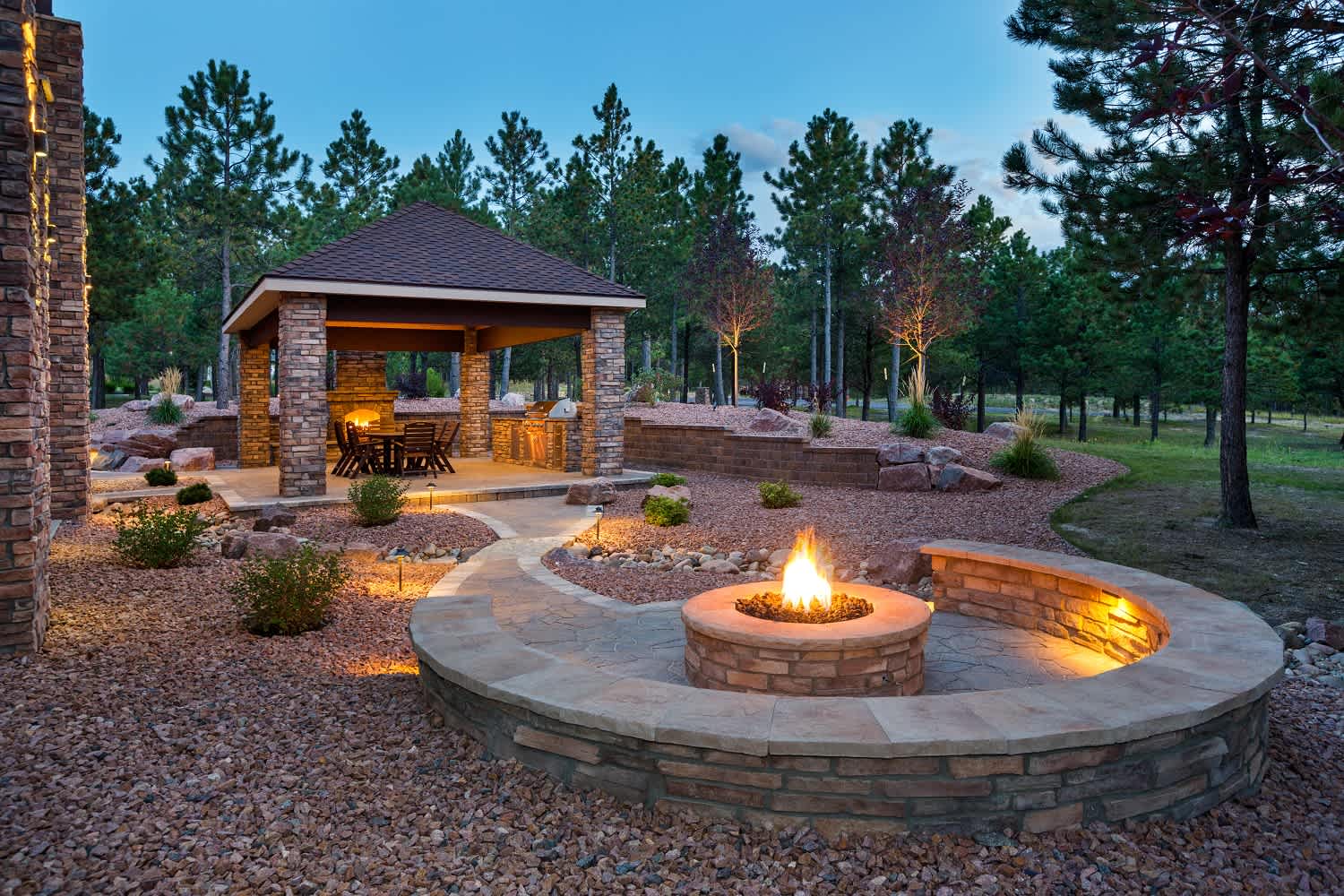





Top-rated fire pit installation pros.

Get matched with top fire pit installation pros in Vader, WA

Enter your zip and get matched with up to 5 pros

Need a pro for your fire pit installation project in Vader, WA?

Select your specific project to find the pro for you.

TRUSTED BY VADER, WA HOMEOWNERS

  • Average homeowner rating star icon3.9
    Average homeowner rating
  • Verified reviews icon17
    Verified fire pit installation services reviews

Find Fire pit installation pros in Vader

No results for Fire pit installation pro in

Try adjusting your search criteria.
Fire Pit Installation questions, answered by experts

To prevent carbon monoxide poisoning on a propane heater, make sure that your heater is suitable for indoor use. When you run the heater, it should always be in a well-ventilated area with proper air circulation. Installing carbon monoxide detectors on every level of your home is also essential. If you have any questions about using a heater indoors, contact a local heating and oil company for more information.

Signs that your dryer is about to catch fire include a burning smell or the dryer and the clothes getting hotter than usual. If this happens, turn the dryer off immediately and call a repair professional. Another less urgent sign is that your clothes are taking longer to dry than normal. If this is the case, check the lint trap, vent, and duct to make sure they are all clean. If they are, you may need to call a pro to find the source of the issue.

Generally, an oil furnace is considered safer than a gas furnace for several reasons. While both types of furnaces can produce carbon monoxide, a leak in an oil furnace is easier to detect due to the smell. Oil furnaces also don't connect to a gas pipeline, which reduces the chance of a fuel leak. Most importantly, heating oil is not combustible, whereas natural gas is highly flammable. This means there is a much lower risk of combustion or explosion with an oil furnace. However, an oil furnace can still pose a fire hazard if it tips over.

A chimney liner isn’t required for an outdoor fireplace; you don’t technically need one if the masonry chimney uses the proper dimensions and is built to code. However, a chimney liner does serve as a protective coating for the flue. Adding a liner could improve performance, safety, and durability. In short, while not necessary, it wouldn’t hurt.

Yes, a hot or overheating outlet is a fire hazard and can cause a fire. An outlet becoming hot indicates an electrical problem, such as an overloaded circuit, loose connections, or a faulty component. The heat from these issues can ignite nearby flammable materials like curtains or furniture. If you notice an outlet is hot to the touch, turn off the power at the circuit breaker, unplug any connected devices, and consult a qualified electrician. If a fire does start, use a Class C fire extinguisher or baking soda to suppress it, or evacuate immediately and call the fire department.

The Vader, WA homeowners’ guide to fire pit installation services

From average costs to expert advice, get all the answers you need to get your job done.