






Top-rated bird control service pros.

Get matched with top bird control service pros in Toledo, WA

Enter your zip and get matched with up to 5 pros

Need a pro for your bird control service project in Toledo, WA?

Select your specific project to find the pro for you.

TRUSTED BY TOLEDO, WA HOMEOWNERS

  • Average homeowner rating star icon4
    Average homeowner rating
  • Verified reviews icon18
    Verified bird control services reviews

Find Bird control service pros in Toledo

US Wildlife Removal
3.9(
137
)
Pest Control - Birds and BatsPest Control - Birds and Bats - For Business

Serving Toledo, WA and surrounding areas

In business since 2009

Free estimates

Credit card accepted

"Took a few days and phone calls to make it out, but he did warn ahead of time they were busy with a large job. Overall the job (seal off entry to prevent birds from maintaining nest and remove nest from attic) was completed and there have been no issues since."
Response time10 mins
Recommended by88%of homeowners
Bird Control questions, answered by experts

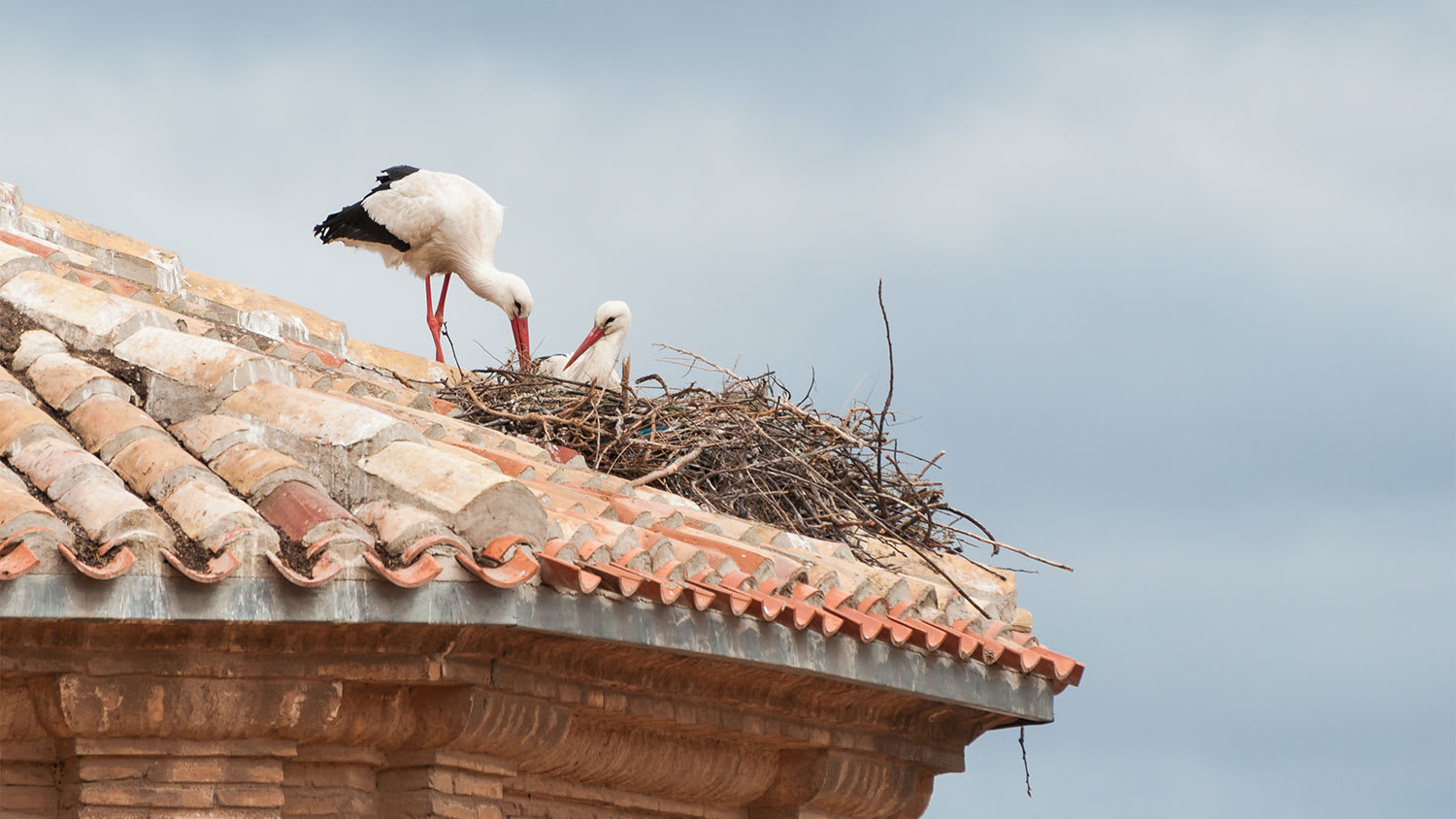
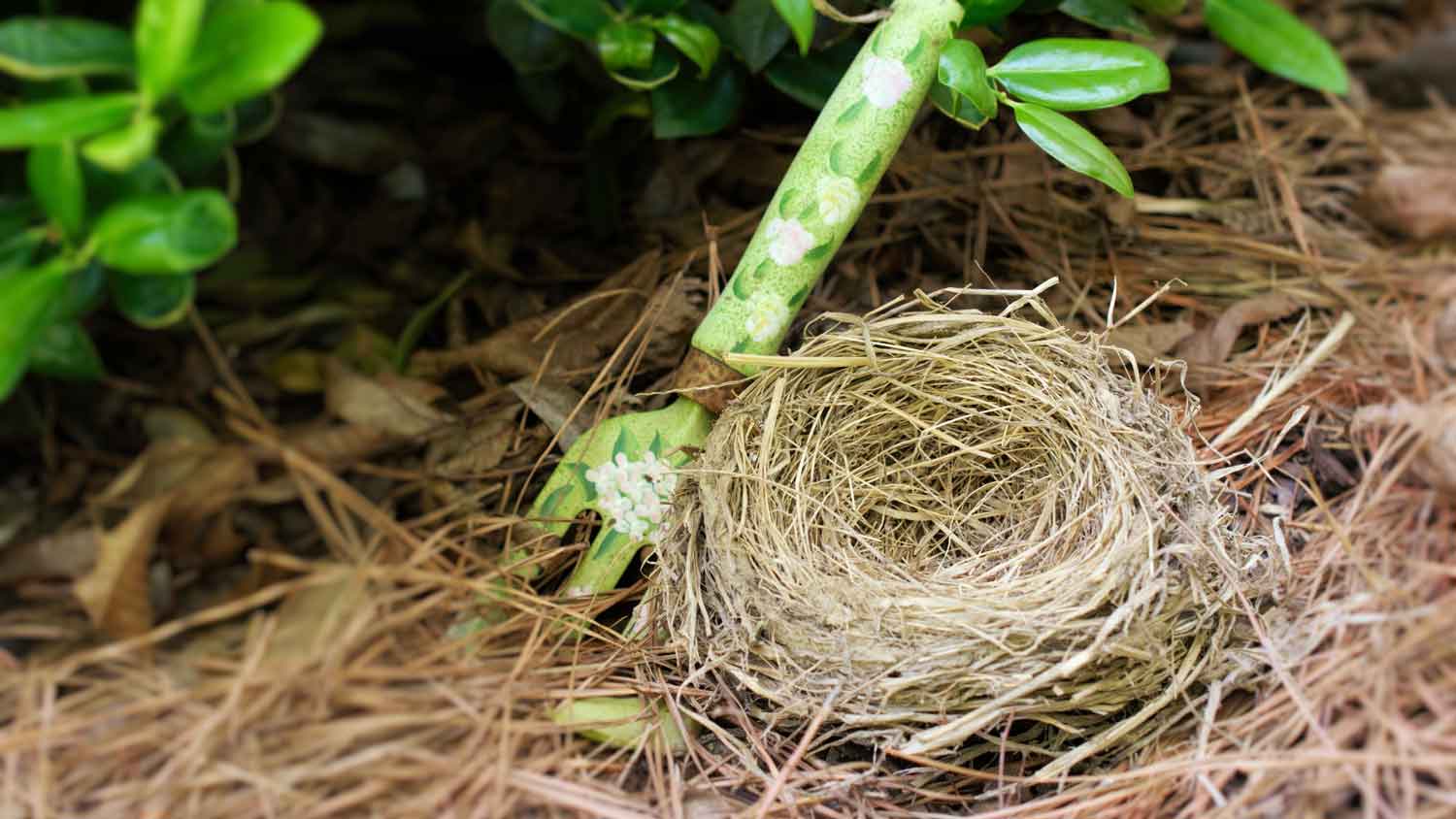
The lifespan of a bird's nest depends on the species. The building process can take from two days to three weeks. Once built, the nesting period for baby birds can last from two to ten weeks before they leave the nest. While most young birds are ready in two to six weeks, some predatory species may need up to two and a half months. Some species nest four to five times per year, so a nest could remain in use for several months. For specific information about a particular nest's longevity, it is best to consult a wildlife professional.

Identifying the specific animal running on your roof at night can be challenging without direct observation. Common nocturnal roof visitors include raccoons, squirrels, opossums, and rats. Raccoons are bigger and can create heavy thumping sounds. Squirrels are agile and may produce rapid scurrying noises. Opossums tend to move stealthily with less noise. Rats can make scratching or gnawing sounds. To determine the culprit, look for signs like footprints, droppings, or damaged areas near the roof. For accurate identification, consult a pest control professional or set up wildlife cameras near potential entry points.

If you’ve had a prior bat infestation or simply want to avoid having bats invade your home in the first place, there are a few steps you can take without the need for a pro. 

  • Seal entry points, such as where your chimney meets your house, or other gaps or holes exist.

  • Use bat deterrents like bright lights or ultrasonic devices to force them away from your home. 

  • Reduce bat attractions like standing water and bird nectar feeders inviting bats into your yard.

Hawk attacks on pets are rare, and they won’t target animals that outweigh them. Hawks typically weigh between one and three pounds. That means you don’t need to worry if you have a Labrador Retriever or French Bulldog. However, small cats and toy breed dogs, like Chihuahuas, are at risk. Pet attacks are more likely in winter when food is scarce or in the early summer when inexperienced young hawks are honing their hunting skills.

Birds are often averse to certain strong scents. For instance, the odor of predator urine, such as that from foxes or hawks, can deter them. Similarly, birds may dislike the pungent aromas of garlic, onions, and chili peppers. Essential oils like peppermint, eucalyptus, and citrus can also be effective in keeping birds away. However, it's important to note that individual bird species might react differently to these scents, so it might require some experimentation to find the most effective repellent for your specific situation.

The Toledo, WA homeowners’ guide to bird control services

From average costs to expert advice, get all the answers you need to get your job done.