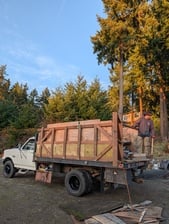
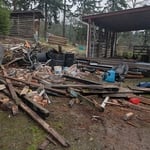
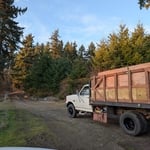
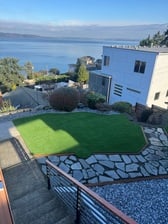
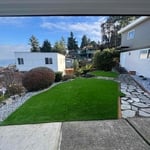
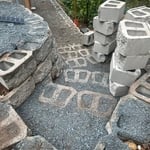
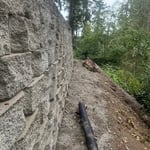
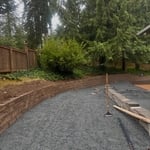
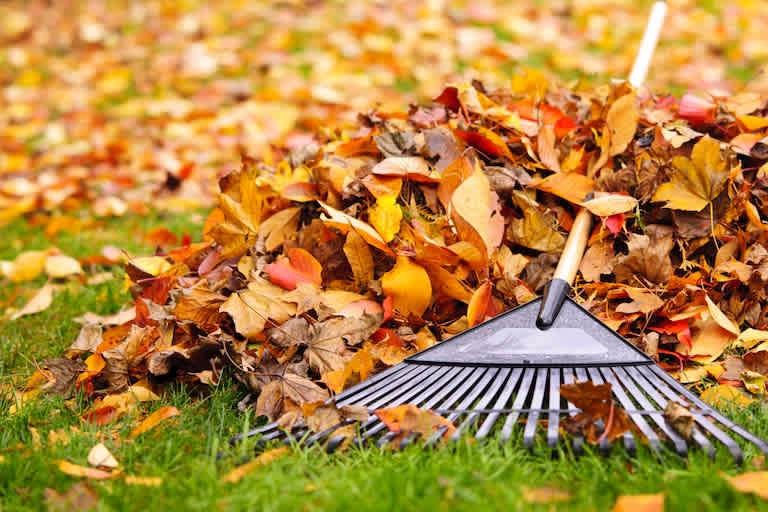
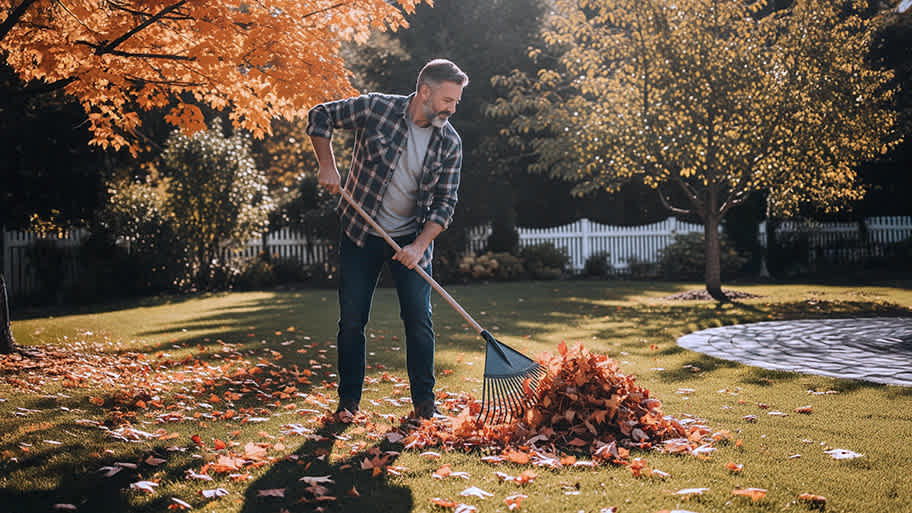
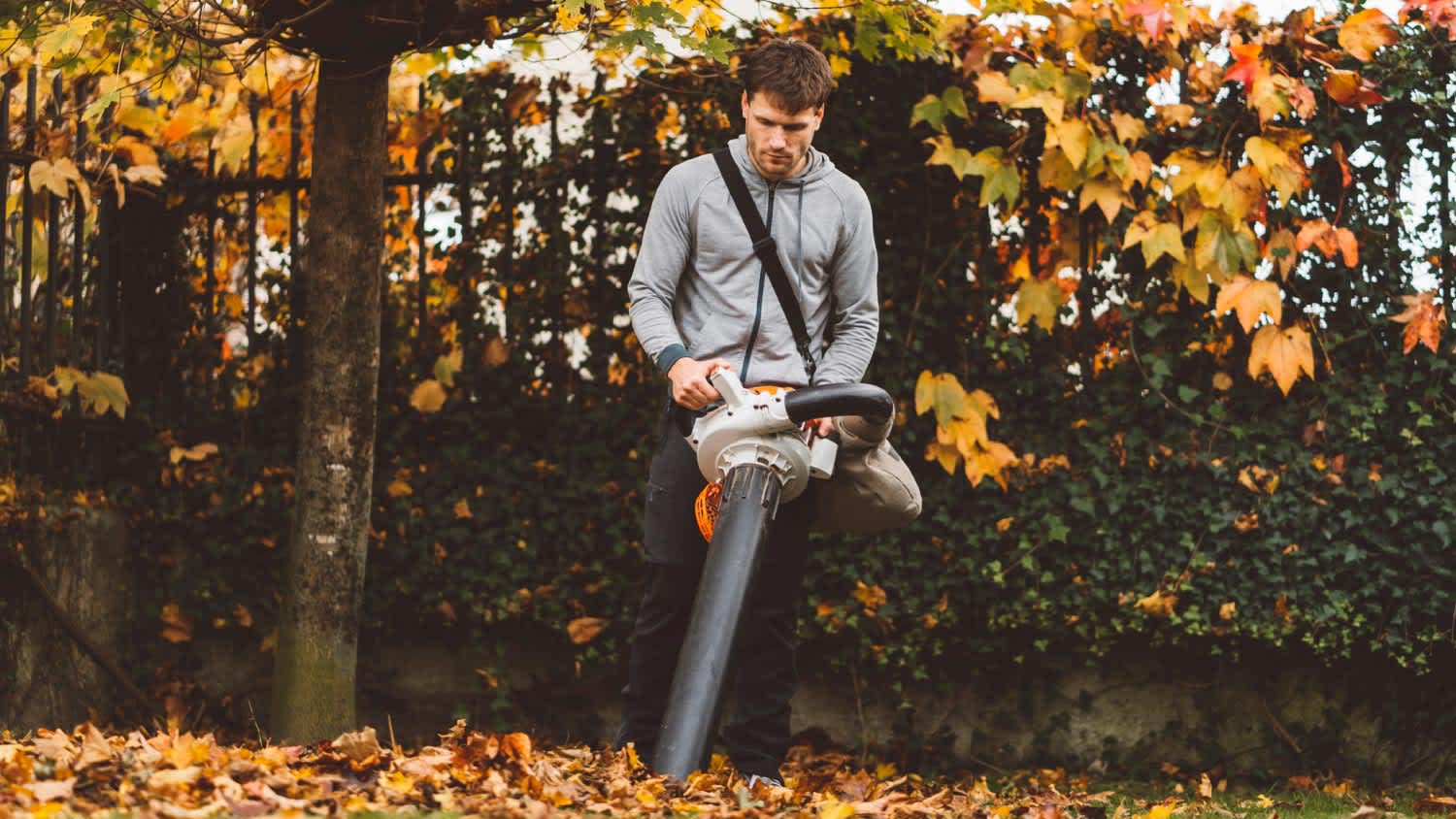
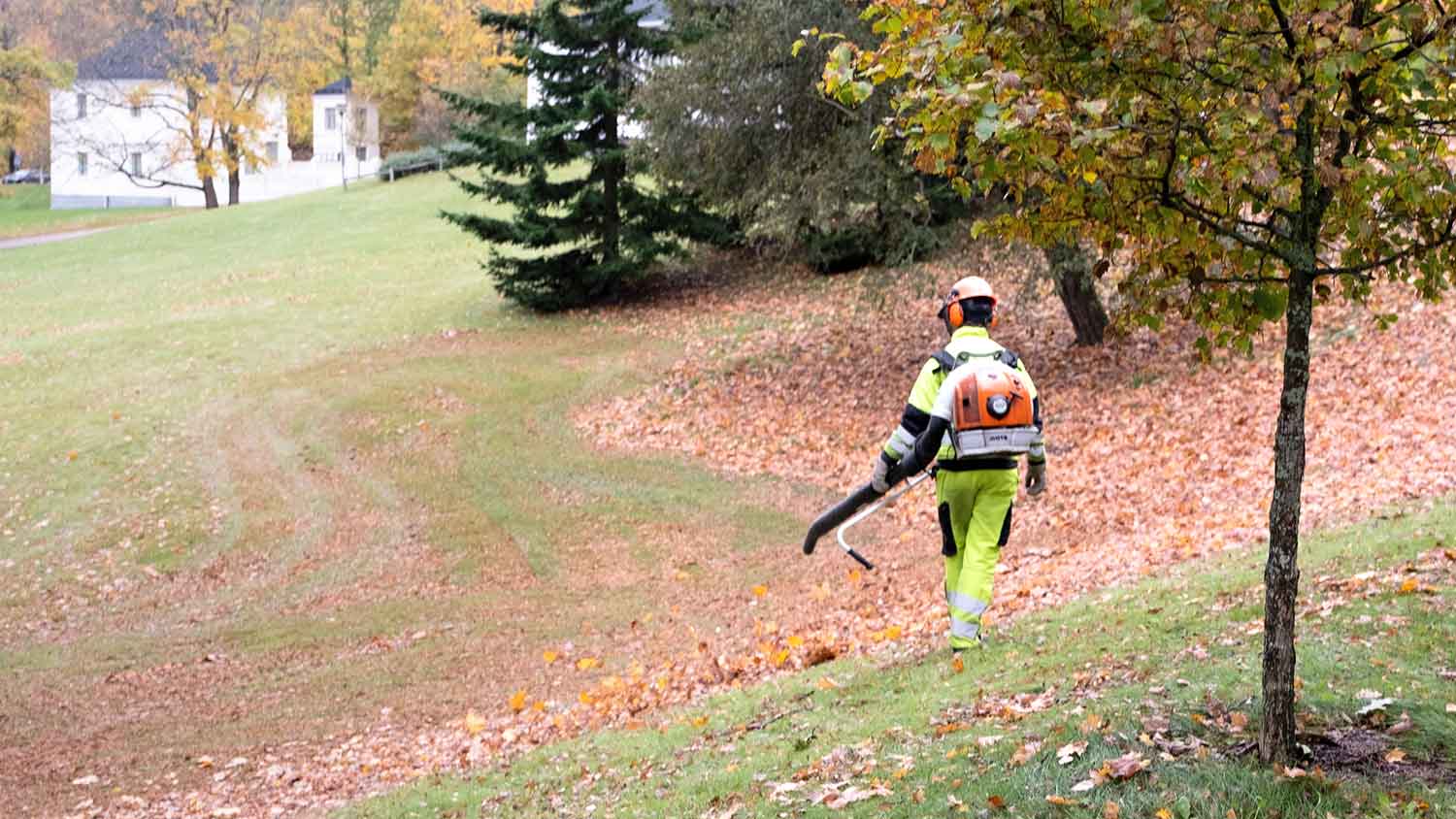
"I highly recommend this Landscaper. He was on time for our scheduled estimate and offered to complete the work and offered to complete the job immediately. His work was thoughtful, professional and impressive. Within a couple of hours he hauled out tons of yard waste that would have taken me days to clear out and even removed leaves from my garden beds. My yard looked amazing. 5 stars"
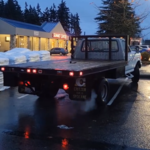
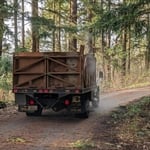
Hello! Were a small family run business serving the pierce and King county regions. We offer trash and debri haul services as well as local pickup and delivery.
We have been offering our great landscaping services to all our clients, we get the job done in a great manner. We offer a variety of landscaping services we are ready for any opportunity. We also give free estimates
I have been in the construction field for 23 years, i have knowledge of installation, repair of plumbing, electrical, drywall, windows, trim, flooring, cabinets, doors, light fixtures, bathroom fans, plumbing fixtures, ceiling fans, appliance installation, painting, I take pride in what I do, I take my career seriously, and with the utmost respect,
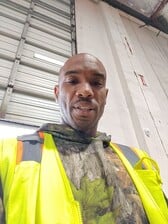
Welcome to Nation’s Hauling & Junk Removal!\n\nHi, I’m Patrick Nation, owner of Nation’s Hauling & Junk Removal!\n\nWith years of experience in the construction industry, I’ve built my reputation on hard work, honesty, reliability, and treating people right. I’m excited to bring those same values to my new business!\n\nWe offer residential and commercial junk removal, garage cleanouts, furniture and appliance removal, construction debris hauling, and general property cleanup.\n\nAs a locally owned, owner-operated business, my goal is simple: provide dependable service, fair pricing, and a hassle-free experience while treating every customer and their property with respect.\n\nNow scheduling weekend appointments!\n\nI look forward to earning your trust and helping keep our community clean!\n\nPatrick Nation | Owner\n\nYour Junk. Our Job. Your Peace of Mind.
I am a driven and hardworking husband and Father. I am also an entrepreneur of a small local business that offers exceptional services at competitive prices.
It is safe to remove old linoleum, but it may require the help of a specialist due to the risk of asbestos in the material. Before you cut into linoleum or try to peel it up, have it tested for asbestos. If it tests positive, professionals will need to remove it to prevent the risk of health issues from airborne toxic particles. If it’s asbestos-free, DIY removal is possible and safe.
You can paint over lead paint, or “encapsulate” it with a special paint that includes an ingredient called an encapsulant. The EPA approves encapsulation as a lead paint removal method as long as the paint remains undisturbed. Standard types of paint without an “encapsulant” from the big box stores or hardware stores do not meet EPA standards for remediation of lead-based paint.
Lead exposure poses significant health risks, including neurological, developmental, and behavioral disorders, especially critical in young children and fetuses.
While not all homes built before 1978 contain lead paint, enough do, so you’ll still want to test to be on the safe side. The federal government banned lead-based paint for homes in 1978, but your state may have banned lead before that time. Around 24% of homes built between 1960 and 1977 contained lead-based paint, while 87% of homes built before 1940 contained lead-based paint.
Household products such as paints, cleaners, oils, and batteries are considered hazardous and should not be disposed of with regular household waste. Instead, look for local household hazardous waste collection facilities where you can safely dispose of these items without harming the environment or human health.
The Packwood, WA homeowners’ guide to leaf removal services
From average costs to expert advice, get all the answers you need to get your job done.