Top-rated bird control service pros.

Get matched with top bird control service pros in Oroville, WA

Enter your zip and get matched with up to 5 pros

Need a pro for your bird control service project in Oroville, WA?

Select your specific project to find the pro for you.

Find Bird control service pros in Oroville

Bird Control questions, answered by experts

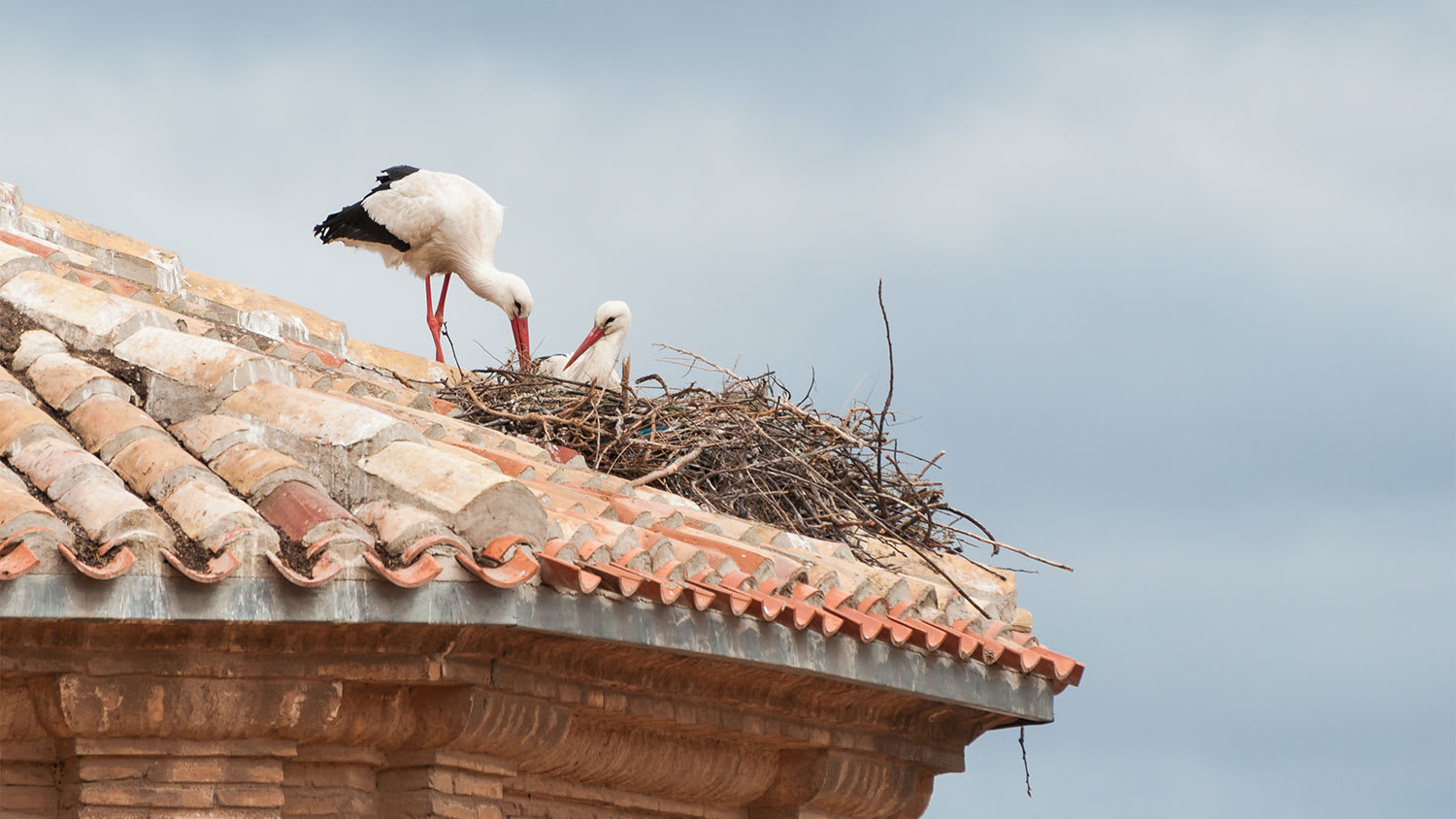
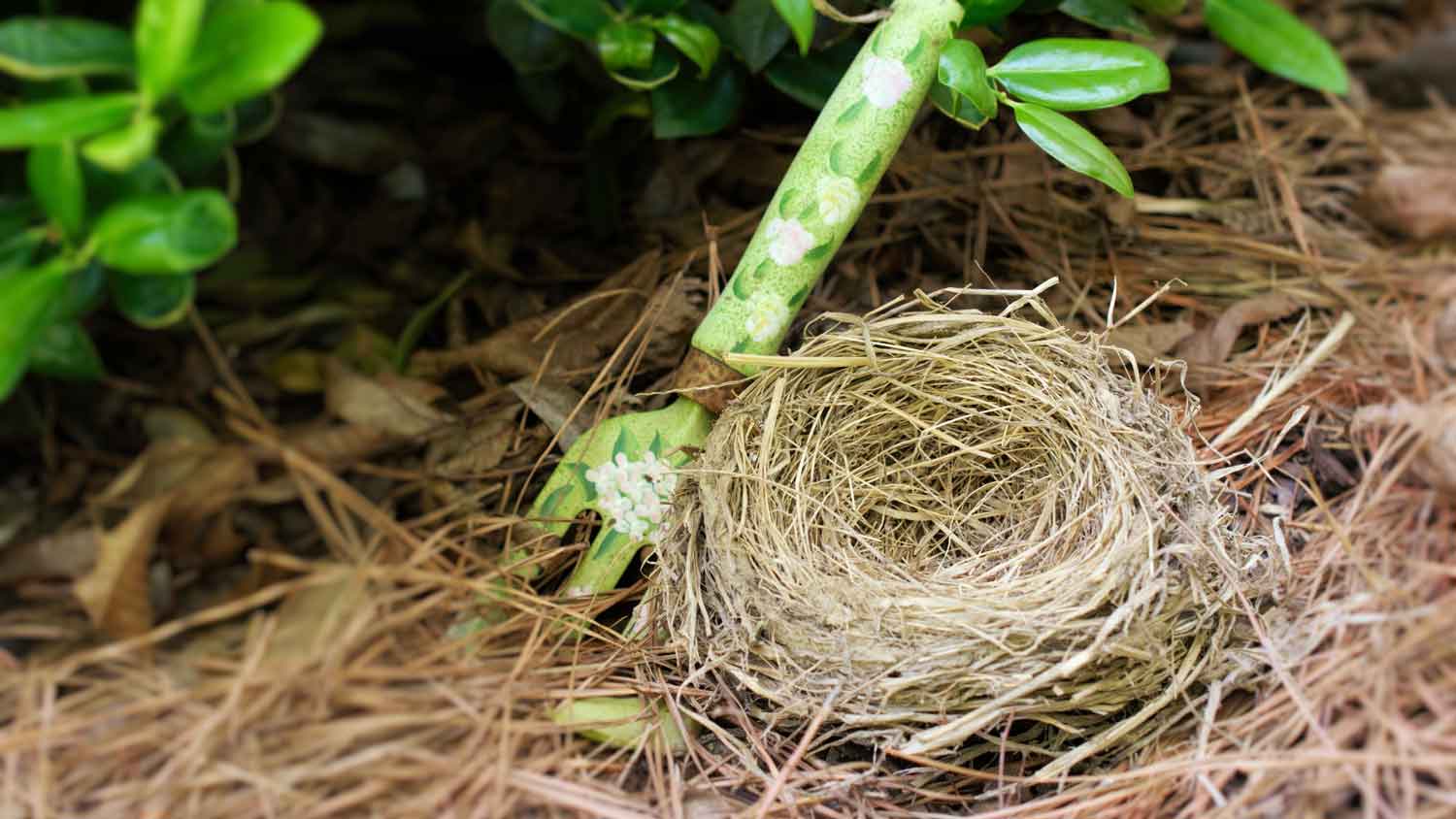
Popular nesting areas outside of a home include eaves, porches, gutters, and chimneys. However, some birds can make their way into your attic or ventilation systems. A reputable removal service will inspect your home's interior and exterior for any evidence of roosting and nesting birds while they prepare to remove them.

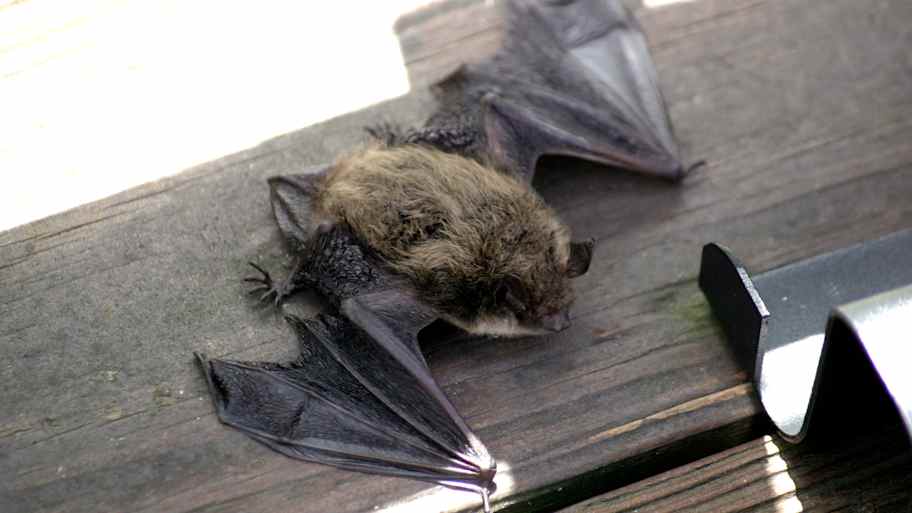
Certain strong smells may help repel bats, though this is not a foolproof method and is best used in conjunction with other deterrence strategies. Scents like peppermint oil, eucalyptus, cinnamon, cloves, and mint are often suggested as natural remedies. To create a spray, you can mix two cups of warm water with half a cup of sugar and a few drops of your preferred essential oil. Apply this mixture using a spray bottle to possible entry points and throughout the affected area, such as an attic. While this home remedy is popular, evidence supporting its effectiveness is limited.

The cost to hire an exterminator or pest control service is $175 on average, with typical costs ranging from $100 to $500. However, you could spend more depending on several factors, including the type of pest, the size and severity of the infestation, and the number of visits required.

Service costs also vary by frequency:

• One-time service: $300–$550

• Initial visit with ongoing service: $150–$300

• Monthly visits: $40–$70

• Quarterly visits: $100–$300

• Annual visits: $300–$550

The type of pest significantly impacts the price. For example, exterminating spiders typically costs between $100 and $300, while a termite problem can range from $230 to $2,500 or more, depending on the extent of the damage. Routine pest control services can help prevent future infestations and costly damage to your home.
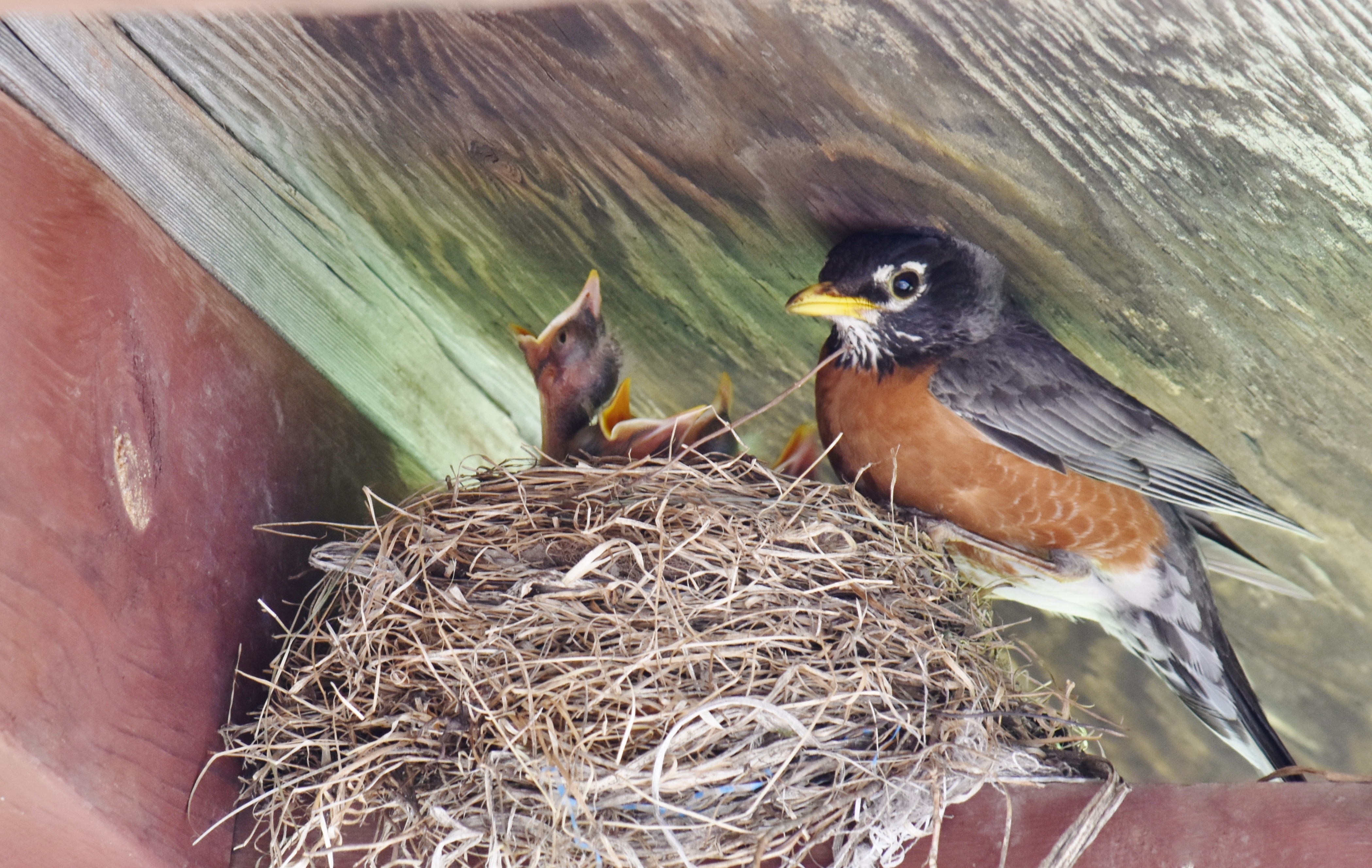

Once the animals and their young are out of the house, remove the nest and locate any entry points. Some may be difficult to find because some animals can fit through very small holes. Once you’ve located as many entry points as possible, use materials such as metal or masonry to block off the entry. Ideally, you should choose materials that most animals cannot chew through. Create a one-way door or flap to allow animals to leave but not return. Additional methods include using repellants designed to make an area unappealing to the types of animals that find your home so inviting. 

It can be difficult to know what type of animal is in your attic until you see it. But several clues can help you narrow down the suspects:

  • Sounds: Smaller animals like rats and mice make scurrying and tapping/gnawing sounds. Larger animals like raccoons and opossums make louder clambering noises. Also, note when animals are noisy: Squirrels are active during the day, while rats are busiest at night.

  • Droppings: Rats and mice leave small, rice-shaped droppings (the rat’s version is significantly larger). Bigger droppings belong to larger critters like raccoons. As long as you’re not squeamish, an image search can help you identify what you’re seeing in your attic.

When in doubt, take photos of damage or other evidence and show them to an experienced pest control pro.

The Oroville, WA homeowners’ guide to bird control services

From average costs to expert advice, get all the answers you need to get your job done.