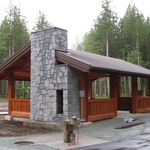
The Great Wide Open has an excellent reputation building in San Juan County for the past six years, almost exclusively on Henry Island. My work there has been for a small community of friends and neighbors I’ve known most of my life, where honesty and professionalism is vital to my business. Recently moving to San Juan Island I'm now open to work other than on Henry. I specialize in unique builds including saunas, decks, outdoor furniture, and gardens constructed with locally reclaimed lumber, but am no stranger to new construction. I also remodel decks, roofs, and outbuildings, and enjoy building walking paths through beautiful forests. Interested to hear what you need built!\n
With over 40 years of experience, Ybarra Professional Builders, is a leader in the industry. Specializing in additions and remodels, we guarantee our work, and stand by our promise, to provide homeowners with quality work in Riverside county. Call today to book an appointment!
We take great pride in over 20 years of experience, expertise and quality customer service that we provide. It is our mission to give you excellent workmanship and customer satisfaction from start to completion of a project. In order to understand the needs and expectations of our customers, we take time to work and communicate with every Home/Business in a professional manner. Our reputation is based on excellent service, safety, and quality work regardless of how large or small the job. We look forward to meeting you!
We are a well established business with over twenty five years of unmatched expertise. Customer preference and priorities are always first. We are very timely with our work and never lose attention to detail. Give us a call today for your free estimate. We do not do single stump removal.
Monday through Friday, we operrate to serve the needs of Friday harbor and surrounding locations. We specialize in septica and well. Please call us for any information you may have
Monday through Friday, we operrate to serve the needs of Friday harbor and surrounding locations. We specialize in septica and well. Please call us for any information you may have
JB Const . is dedicated to serving our community and our professionalism is what you will need for your next project ..We are a small company that allows us to perform quality projects without to many employees and sub contractors ..Sub Contractors associated with JB Const are as dedicated as we are in serving our customers and will take every step possible to see your project is being done correctly and finished at a reasonable time...Our customers are always satisfied when we leave the job and we are always happy to make new friends !! Quality Craftsmenship Guaranteed !
Land clearing. Forestry Mulching, brush removal, site preparation, gravel road installation. Here at McCaffree Clearing LLC, I recognize that not having the space you need on your lot for your goals is a problem, and can be frustrating. I'm here for your problem's solutions!
We are proudly serving the Friday Harbor and surrounding areas. We provide quality construction work with a focus on sustainable design. We go into every job with an environmentally cautious outlook. Call us today for a free estimate!
With multiple years of experience, David and the Expert Home Builders team can take on any project. They make sure to leave each customer with a smile.
Yes, chipmunk holes may have two or more entrances. Chipmunks can create an entire network of burrows. Having multiple entrances makes it easier for them when trying to escape from a predator, such as a snake, or if an entrance collapses due to flooding. Each entrance leads to the nesting chamber underground, which is where the chipmunk spends the majority of its time sleeping.
Yes, trenchers can go through gravel. Gravel is made up of smaller, softer rocks that certain trenchers are able to cut through. Just be sure to use a rock wheel trencher or chain trencher, both of which are made to cut through rocky landscapes and gravel pathways without dulling the teeth or chain.
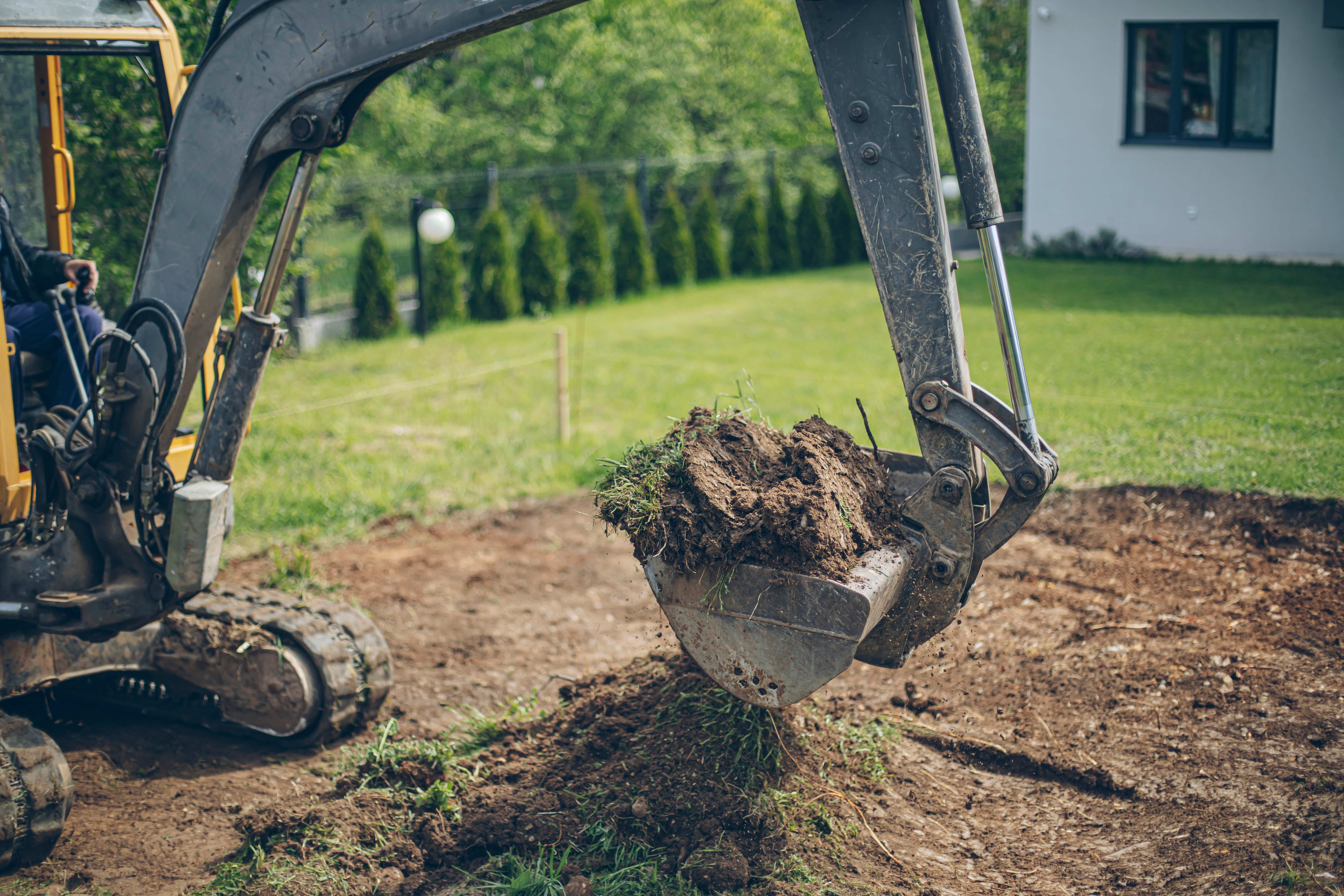
Excavations take a few days or up to a few weeks. The time it takes to excavate an area depends on the size of the area, the type of soil, the type of excavator, and even the time of year, since winter can make digging up the ground more difficult.
It can take several weeks for the ground to settle after removing a tree, and the soil under larger, more mature trees can take months. The deeper the tree has been ground under the soil, the longer it will take to settle. However, this extra depth can help you plant new landscaping sooner because you’ll have more space for fresh soil.
In most areas, you will need a permit for excavation work, even for projects that only involve grading or yard leveling. Permit requirements depend on your local government and the scope of the project, but they are especially common for significant digging or work that could affect utilities or public property. These permits help protect the local topography and prevent drainage issues. An experienced excavation company will typically know whether permits are needed and can often handle the process of pulling and closing them for you. You can also verify permit requirements by contacting your local building department and describing your project.
The Friday Harbor, WA homeowners’ guide to excavation services
From average costs to expert advice, get all the answers you need to get your job done.
Excavation costs $1,500 to $6,300 for most residential projects—but it depends on factors like the size of the area. This guide will help you plan a budget.
You can't have an in-ground pool without digging into the ground. How much does pool excavation cost, and can you take it on yourself? Our guide explains.
Picking the right pro can make or break your project. Learn how to hire an excavation pro with the qualifications and skillset to do the job efficiently.