If you own a stereo microscope, you should be able to see the fibers. The stereo microscope often can perform magnification up to 50x. But unless you have experience viewing asbestos fibers, you may not know exactly what you are seeing. Some fibers are curly, while others are long and straight. Blue, brown, white, and gray colored fibers are all possible.
Asbestos itself does not typically leak from a roof. However, if an asbestos-containing roof is damaged or deteriorated, it can release asbestos fibers into the air. This can occur when the roof is disturbed, such as during maintenance or repairs, or due to weathering over time. Exposure to airborne asbestos fibers can be harmful to health, so it is important to address any damaged asbestos roofs promptly and safely.
While a professional can always help, there are some common plumbing culprits you can check yourself to see if you can find the sewer gas smell. For example, you should check your water traps, sometimes called P-traps and S-traps, which are located under sink, shower, and laundry drains. The wax ring beneath the base of your toilet, which creates a watertight seal with the plumbing, could also have gone bad.
Asbestos siding can be dangerous, but it doesn't necessarily pose a health risk if it's in good condition and left undisturbed. The danger comes from inhaling asbestos fibers, which can be released if the siding is damaged, deteriorating, crumbling, or disturbed during remodeling or repairs. Exposure to these airborne fibers can cause serious, life-threatening diseases like asbestosis (lung scarring), mesothelioma (an aggressive cancer), and other lung cancers.
If your asbestos siding is intact, the general recommendation is to leave it alone. However, if it's damaged or you plan to renovate, it's crucial to handle it safely. Due to the significant health risks and the difficulty of containing the fibers, it is not recommended to perform any asbestos work yourself. Instead, you should hire a professional asbestos removal company to inspect, repair, encapsulate, or remove the material. The presence of asbestos can also negatively impact your property's value.
No, you do not have to worry about new popcorn ceilings having asbestos. All residential building materials used since the mid-1980s stopped including asbestos, so new popcorn ceilings have no risk of asbestos. You can still create a textured drywall ceiling with a popcorn texture if you like, but new techniques have no risk of adding asbestos.
The Cle Elum, WA homeowners’ guide to percolation testing services
From average costs to expert advice, get all the answers you need to get your job done.
Dry wells are handy for anyone who’s experiencing drainage problems. But dry well installation costs can vary depending on its size, location, and volume.
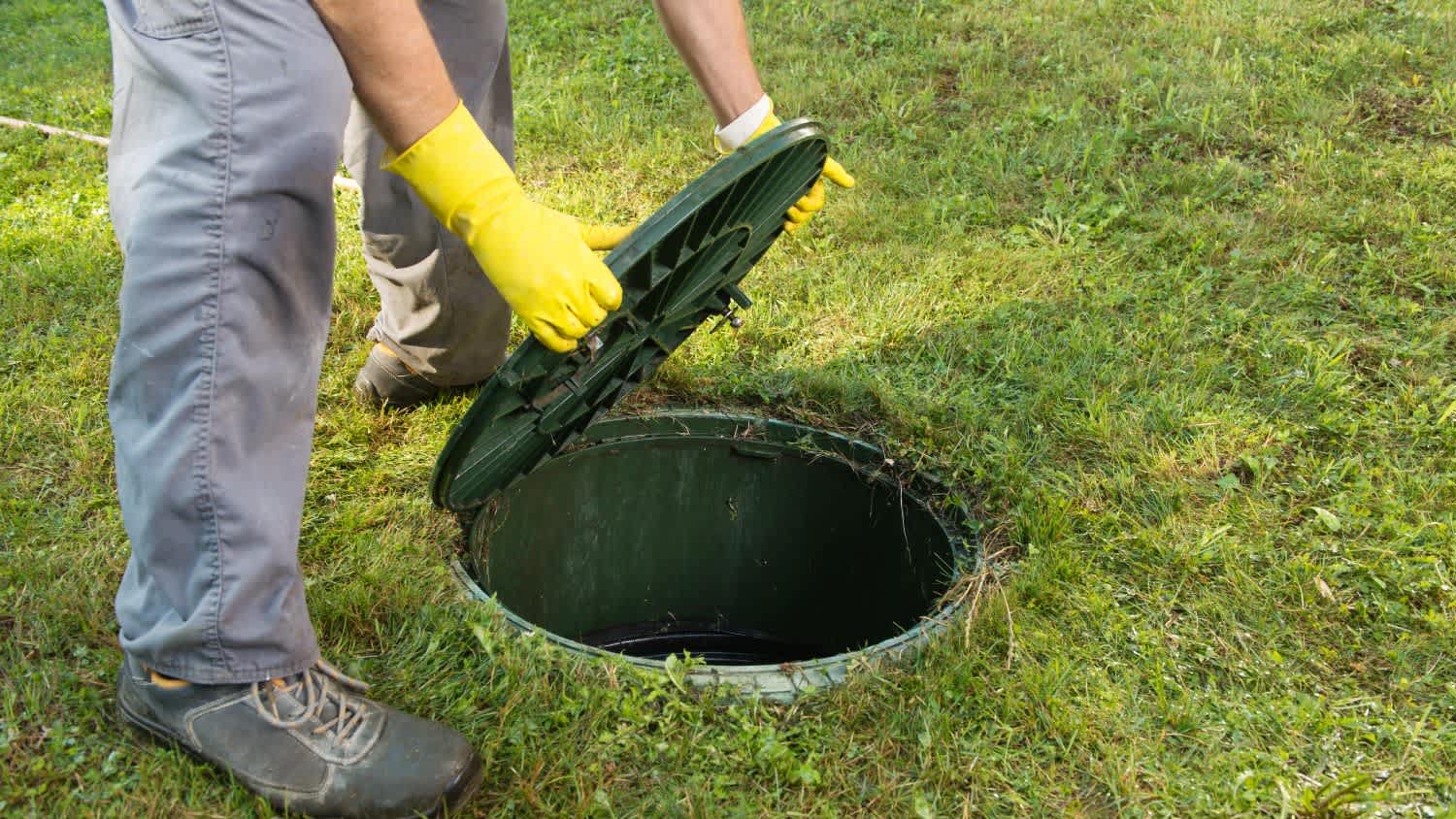
The time it takes to replace a septic tank depends on a few factors. Sometimes the fix is simple, but even if it’s not, here’s how long it takes to replace a septic tank.

 4.3
 52