
Top-rated asphalt driveway pros.

Best asphalt driveway pros near Wilder, VT

Enter your zip and get matched with up to 5 pros

Need a pro for your asphalt driveway service project in Wilder, VT?

Select your specific project to find the pro for you.

Top-Rated Asphalt driveway pros in Wilder - Updated Nov 2026

Avatar for K. Bellavance Landworks & Hauling, LLC
K. Bellavance Landworks & Hauling, LLC
4.7(
24
)
Gravel or Loose Fill Paving - Install, Spread or ScrapeGravel or Loose Fill Paving - Install, Spread or Scrape - For Business

Serving Wilder, VT and surrounding areas

In business since 2005

Free estimates

Emergency services offered

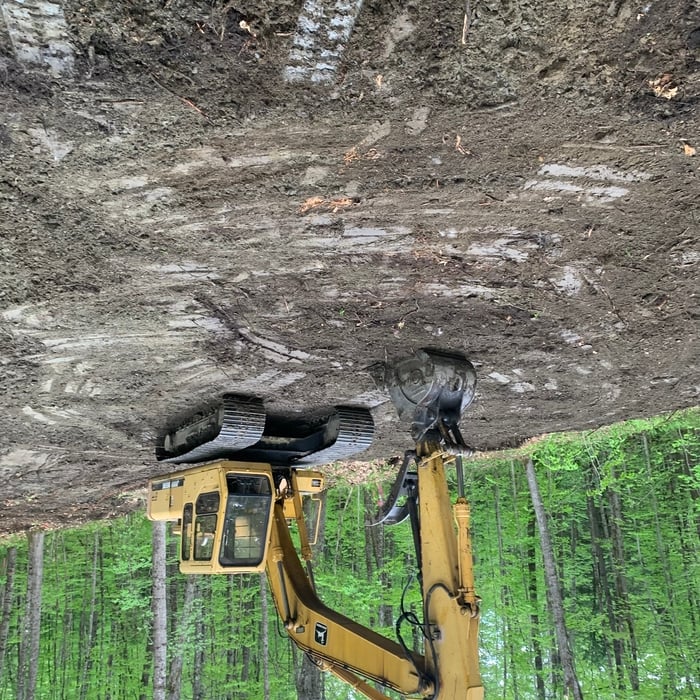
"I was extremely pleased with the work Bert and John did for me. They are extraordinary representatives of Bellavance Land Works. Bert works that excavator like a precision instrument. His work is absolute perfection. I was floored by how great it looked when he was finished. His co worker John went above and beyond what the work required. He stayed busy tidying up and finding minor projects to help with while the excavator was in use. Both Bert and John are super nice to have working at your home. They showed up on time, got right to work and left my yard spotless and me extremely happy. Not kidding. Hire these guys. You will be glad you did!"
Response time2 days
Recommended by90%of homeowners

Showing 1-10 of 38
Asphalt Driveways FAQs, answered by experts

When hiring an asphalt paving contractor to install your driveway, ask as many questions up front as possible. Here are a few questions to ask a prospective driveway contractor:

  • How many years of experience do you have?

  • Are you licensed, bonded, and insured?

  • Do you have worker’s compensation?

  • Do you use subcontractors on your projects?

  • Do you clean up after the job is done?

  • Who is responsible for any damage to lawn or landscaping?

  • Do you provide a guarantee or warranty on your work?

  • Do you give free estimates?

  • What is the timeline for completion?

  • How do you handle change orders?

  • Can you provide at least three references?

  • Can I see some of the work you’ve done?

Asphalt and tarmac are not the same thing. Traditional tarmac, short for tarmacadam, uses tar as a binder to hold crushed stone together. Asphalt uses bitumen—a byproduct of crude oil—to bind aggregate. Though tarmac was once a go-to for roads, asphalt has become the modern standard. And these days, most surfaces referred to as “tarmac” are actually asphalt. So, while the names may overlap, the key distinction lies in the binder—tar for tarmac and bitumen for asphalt.

The answer to whether or not you need to get a permit before you start your driveway can vary widely based on local ordinances and the scope of your driveway ideas. In most urban and suburban areas, a permit is needed before building a new driveway to ensure that a homeowner is using safe materials and proper drainage practices while designing and constructing a new driveway. In some rural areas, a homeowner may not be required to apply for a permit. When building a new driveway on your own, always check with your local building department to see if you need to request a permit. When hiring a driveway contractor, verify that the right permits are being used before driveway construction begins.

Asphalt driveways last anywhere from 15 to 30 years, but if you don’t stay on top of repairs, you may find yourself spending extra to replace your driveway before its typical lifespan. Stay on top of repairing cracks and potholes by routinely inspecting your driveway once or twice a year. It’s a good idea to pressure wash your asphalt driveway at least once a year to keep it clean. Apply a sealer every one to five years, based on your climate.

New asphalt typically needs 24 to 72 hours to dry before it can handle light foot traffic and careful driving. Although it may appear solid after a few days, the full curing process, where the asphalt reaches its peak strength, takes much longer—generally from 30 days to a year.

During this extended curing time, the surface remains relatively soft and can be damaged by heavy vehicles, sharp objects, or high temperatures. To protect your investment, it's best to avoid parking heavy machinery on the asphalt until it has fully cured.

The exact time required for drying and curing depends on several factors, including the weather, the specific asphalt mix, and its thickness. For the most accurate advice tailored to your situation, consult with your asphalt contractor.

The Wilder, VT homeowners’ guide to asphalt driveway services

From average costs to expert advice, get all the answers you need to get your job done.