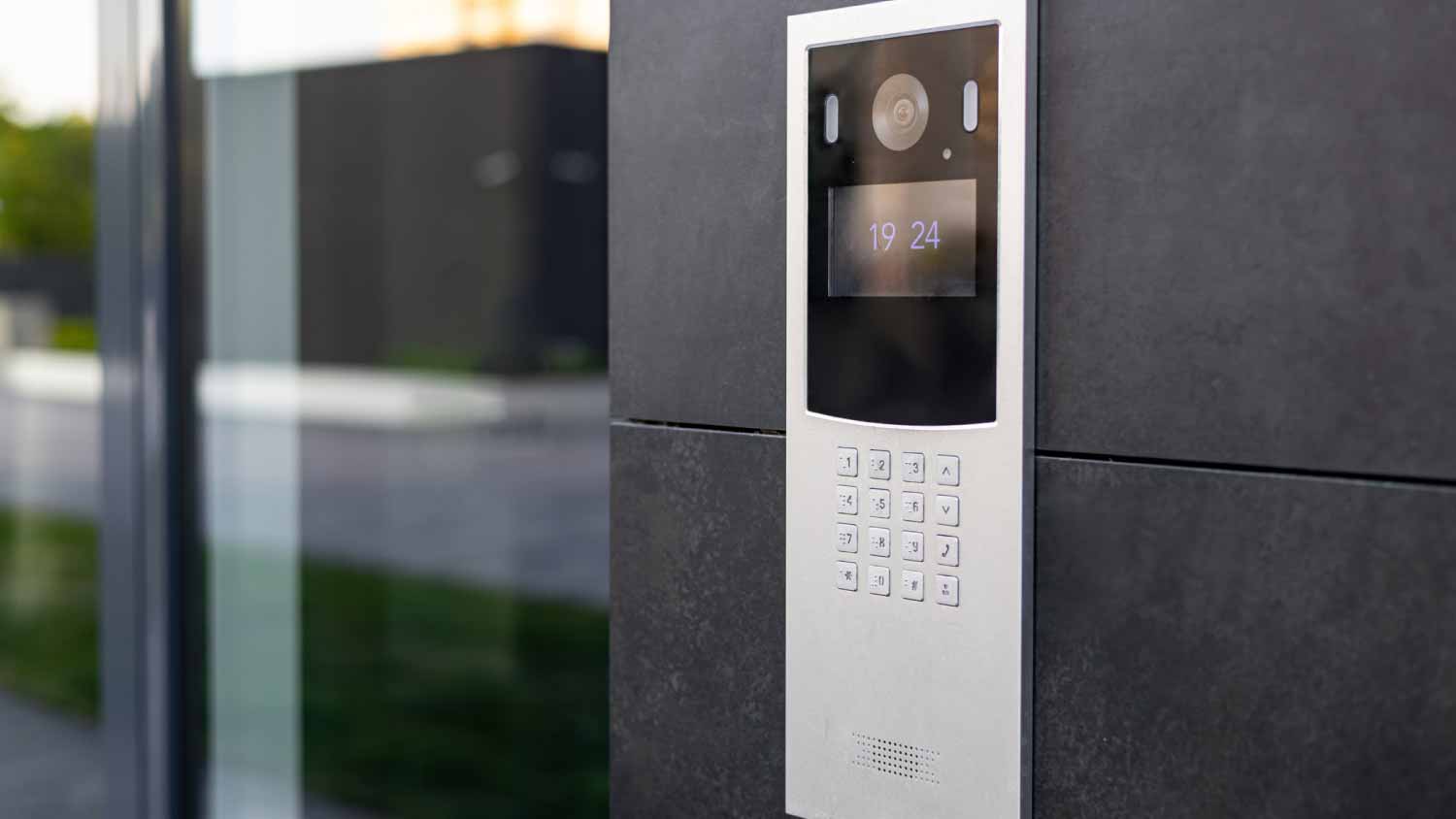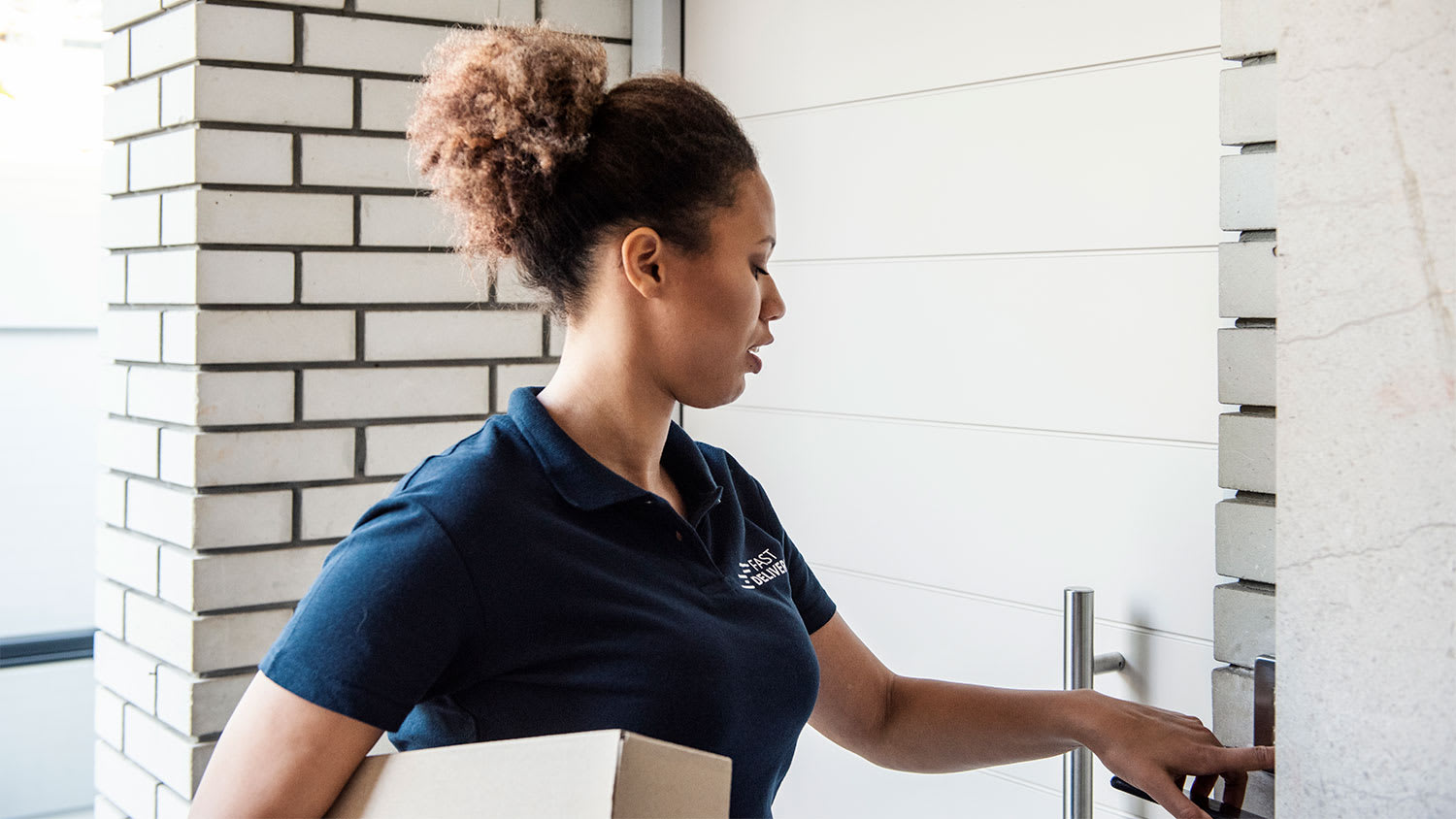
Doorbell Installation questions, answered by experts
While there are many different kinds of insulation, spray foam, blown-in, foam board, and batt and roll are the four types you’re most likely to see. That doesn’t mean they’re alike, though. Each one varies drastically in terms of cost, materials used, and how they’re installed—not to mention, how well they limit heat transfer.
The life span of insulation is between 20 and 100 years. At that time, existing insulation can fall victim to gravity, resulting in compression, which reduces its insulating protection or R-value. If you can't simply add more insulation over the existing material, removing the old to increase the effectiveness of the new can reduce your energy bills and make the project worth the time and money investment.
While insulation is required for all exterior walls in a house, it is not typically required for interior walls. Local and state building codes mandate that new construction homes have adequate insulation in exterior walls and ceilings to suit the local climate.
However, there are several benefits to adding insulation to interior walls. It is excellent for sound-dampening between rooms and can help with temperature control by maintaining a regulated temperature in specific rooms and lowering heat transfer between adjacent areas. Insulating interior walls can also contribute to the overall energy efficiency of your home.
Insulating your ducts offers several benefits, including:
Improved energy efficiency: Duct insulation prevents energy losses, reducing heating and cooling costs.
Cost savings: Lower energy bills make insulation a cost-effective investment.
Environmental benefits: Enhanced efficiency reduces your carbon footprint.
Consistent comfort: Insulated ducts help maintain a stable indoor temperature.
Better indoor air quality: Reduced allergens and pollutants improve air quality.
You do not always need to remove old insulation before adding new. If the existing insulation is in good condition—not wet, physically damaged, moldy, or infested with pests—you can add new insulation directly on top of it for a compounding effect. You can also mix different types, such as adding blown-in insulation around existing fiberglass batts.
However, removal is recommended if the old insulation is compromised by water damage or pests. You should also remove it if you plan to install a different type of insulation, like switching from roll or batt insulation to spray foam. If the existing insulation is very old or damaged, you will likely get more benefit from removing it and starting fresh.
The Wells, VT homeowners’ guide to doorbell installation services
From average costs to expert advice, get all the answers you need to get your job done.
Ring a bell? From replacing a wired doorbell to setting up a smart home system, learn about typical doorbell installation costs, including materials and labor.
How much does it cost to install a doorbell camera? It depends on whether you plan to DIY or hire a pro. Learn about different models and their power sources, too.

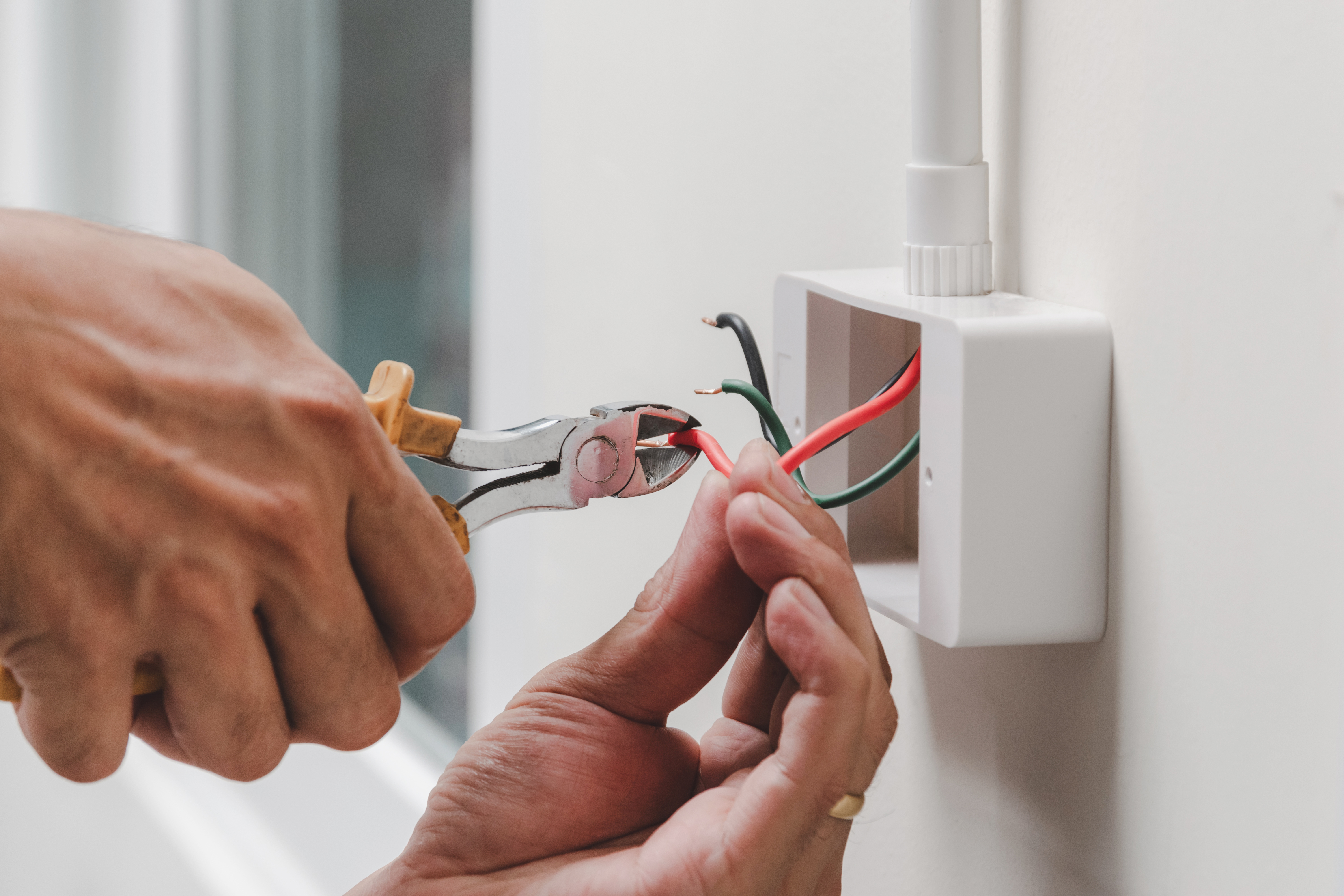
Doorbell wiring is a project you can DIY. This guide covers everything you need to know, from different types of doorbells to wiring, and how to remove an old doorbell.

Ready to upgrade your front door and learn how to wire a doorbell? You may be able to handle this relatively simple DIY installation without an electrician.