


Top-rated excavation pros.

Get matched with top excavation pros in Orleans, VT

Enter your zip and get matched with up to 5 pros

Need a pro for your excavation project in Orleans, VT?

Select your specific project to find the pro for you.

Find Excavation pros in Orleans

Avatar for Isaacs Excavating and Construction
Isaacs Excavating and Construction
5.0(
2
)
Building Site - Preparation and ClearingBuilding Site - Preparation and Clearing - For BusinessExcavation - Major Grading or Resloping+2 more

Serving Orleans, VT and surrounding areas

Approved

In business since 2022

Free estimates

Emergency services offered

"On time, on budget, competent, well equipped, and easy to work with. What's not to like? Bent over backwards to accommodate my unconventional requests with no apparent effort. The guy's a veritable microsurgeon with an excavator. Highly recommend!"
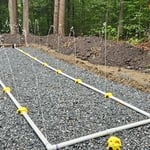
distribution mound
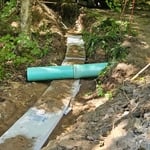
force main pipe
concrete footing
camp footing
camp upgrade

+20

2 neighbors recently requested a quote
Recommended by50%of homeowners
Avatar for Tanner's Excavating
Tanner's Excavating
5.0(
1
)
Building Site - Preparation and ClearingExcavation - Major Grading or ReslopingExcavation - Major Grading or Resloping - For Business+1 more

Serving Orleans, VT and surrounding areas

Approved

In business since 2020

Free estimates

Small jobs welcome

"This young man has obviously been the recipient of tutelage well beyond his experience as he is wise beyond his years. He is very affable and is a very good listener. He is somehow able to grasp your vision beyond the words you can provide and create just what was in your mind. A fine young man who will probably become way too busy to work for you. Haha"
Response time1 day
Recommended by100%of homeowners

Avatar for P H Landscapes and Construction
P H Landscapes and Construction
5.0(
2
)
Excavation - Major Grading or ReslopingBuilding Site - Preparation and ClearingBuilding Site - Preparation and Clearing - For Business+2 more

Serving Orleans, VT and surrounding areas

Approved

In business since 1997

Free estimates

Credit card accepted

We pride our company on reliability, great communication, integrity, and quality work. We are experts in our trade and will do our best to keep you as educated as we can on your particular task or project. We look forward to earning your business!\n

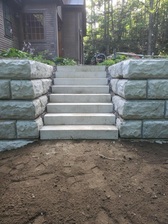
Retaining Walls
Retaining Walls
Retaining Walls
Retaining Walls
Retaining Walls

+28

Response time3 days
13 neighbors recently requested a quote
Recommended by100%of homeowners
C&L Cass Construction
2.8(
2
)
Building Site - Preparation and ClearingExcavation - Major Grading or Resloping

Serving Orleans, VT and surrounding areas

Approved

Small jobs welcome

Offers commercial services

Customers say: Quick response

"Chris worked with my schedule to get a foundation in and also fixed up my driveways, made great suggestions. He showed up and completed the work exactly as he promised and kept the site tidy all through the project. A pleasure to work with!"
3 neighbors recently requested a quote
Recommended by100%of homeowners
...
Showing 1-10 of 52
Excavating questions, answered by experts

Septic drain lines (or leach lines) are typically buried between 18 and 36 inches underground, and should be at least 6 inches below the surface. These pipes are perforated and surrounded by filtering materials like sand or gravel. Burying the lines at this depth helps minimize odors and allows bacteria and other biological processes in the soil to effectively treat the wastewater. Burying lines too close to the surface can cause issues unless the soil is very compact and stable.

Skunk digging looks like a series of small, cone-shaped holes on a lawn or around the perimeter of a home, porch, deck, or shed. The holes that skunks dig when searching for grubs tend to be no more than four inches in diameter and may be up to four inches deep.

A trench that is less than 5 feet deep often doesn't require a protective system. Most residential trenches will not go this deep (the typical residential drainage trench is just 18 inches deep). In the event that an excavator needs to dig more than 5 feet beneath the surface, a protective system is required unless the excavation is in entirely stable rock.

Digging a bush up by the roots is the most natural DIY method for removing a bush stump. Start by identifying the shrub type and revealing its roots. Cut the shrub to its base and loosen the soil, ensuring no utility lines are nearby. Optionally, treat the base with herbicide, then dig around the roots and cut a circle around the shrub using various tools. Dig a trench, cut the base of the root ball, and finally fill the hole to prevent regrowth. This thorough process ensures complete removal without damaging surrounding areas.

The best method for digging a trench depends on the scope of the project. For a short, shallow trench (less than 2 feet deep) in light, soft soil, digging by hand may be sufficient. However, digging by hand is labor-intensive, so consider the effort required. A machine trencher is the better option for longer trenches (over 100 feet), deeper ones, or when dealing with difficult soil conditions, such as rocky or hard ground, or obstructions like tree roots. A machine can save significant time and energy in these situations.

The Orleans, VT homeowners’ guide to excavation services

From average costs to expert advice, get all the answers you need to get your job done.