


Top-rated excavation pros.

Get matched with top excavation pros in Lunenburg, VT

Enter your zip and get matched with up to 5 pros

Need a pro for your excavation project in Lunenburg, VT?

Select your specific project to find the pro for you.

Find Excavation pros in Lunenburg

Avatar for P H Landscapes and Construction
P H Landscapes and Construction
5.0(
2
)
Excavation - Major Grading or ReslopingBuilding Site - Preparation and ClearingBuilding Site - Preparation and Clearing - For Business+2 more

Serving Lunenburg, VT and surrounding areas

Approved

In business since 1997

Free estimates

Credit card accepted

We pride our company on reliability, great communication, integrity, and quality work. We are experts in our trade and will do our best to keep you as educated as we can on your particular task or project. We look forward to earning your business!\n

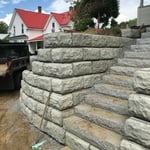
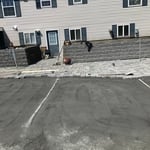
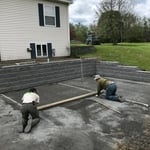
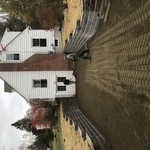
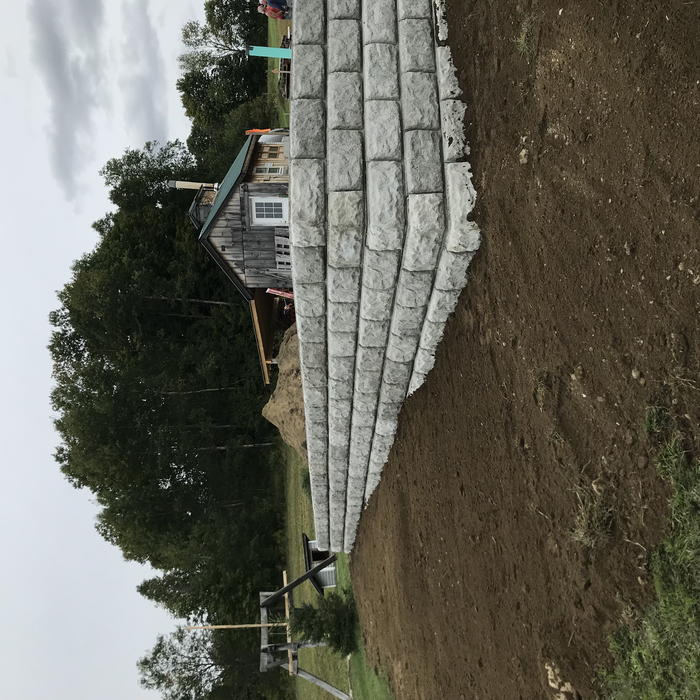
Retaining Walls
Retaining Walls
Retaining Walls
Retaining Walls
Retaining Walls

+28

Response time3 days
14 neighbors recently requested a quote
Recommended by100%of homeowners
C&L Cass Construction
2.8(
2
)
Building Site - Preparation and ClearingExcavation - Major Grading or Resloping

Serving Lunenburg, VT and surrounding areas

Approved

Small jobs welcome

Offers commercial services

Customers say: Quick response

"Chris worked with my schedule to get a foundation in and also fixed up my driveways, made great suggestions. He showed up and completed the work exactly as he promised and kept the site tidy all through the project. A pleasure to work with!"
3 neighbors recently requested a quote
Recommended by100%of homeowners
Avatar for Green Mountain Basement Solutions LLC
Green Mountain Basement Solutions LLC
4.0(
30
)
Building Site - Preparation and ClearingBuilding Site - Preparation and Clearing - For BusinessExcavation - Major Grading or Resloping+2 more

Serving Lunenburg, VT and surrounding areas

In business since 2007

Free estimates

Emergency services offered

"Mike was able to fit me in the same day for an estimate which surprised me because I'm sure a lot of people are needing his services with all the rain lately but he was in the area that day and came by. Although the company is a nation wide chain, its a franchise and a small business. He is an honest Vermonter with Vermont values which I appreciate. He gave me options but didn't try to talk me into something I couldn't afford and is doing the work within two weeks which I was also happy about being a very busy time for this type of thing."
Recommended by75%of homeowners
Showing 1-10 of 47
Excavating questions, answered by experts

A joint utility trench, or joint trench, is a long, buried ditch on a property that contains two or more utility lines rather than running the lines in multiple trenches. Some utilities, like gas and electric or electric and communication lines, are better suited to joint trenching, while others, like water and sewer, are not allowed to be in the same trench.

Trenching and boring are two distinct methods for installing underground utilities. Trenching involves digging a channel using equipment like an excavator, trencher, backhoe, or shovel. While it is a simpler process, it causes significant disruption to the surface, landscaping, and surrounding ecosystems.

Boring, also known as directional boring, is a less invasive alternative that uses a drill to create a tunnel for utility lines without disturbing the surface. This method is more precise and is ideal for installations that need to go underneath buildings, roads, or bodies of water. Although boring is less disruptive, it is generally more expensive than trenching.

Skunk digging looks like a series of small, cone-shaped holes on a lawn or around the perimeter of a home, porch, deck, or shed. The holes that skunks dig when searching for grubs tend to be no more than four inches in diameter and may be up to four inches deep.

The best type of soil to build on is a mixture of sand and clay, known as loam soil. Loam soil has the best combination of these soil types to build a foundation on. The clay particles help with water retention, so it won’t erode like sandy soil might, and the sandy particles help with drainage, so you won’t see unsafe soil expansion or have an increased risk of leaks from water sitting against your foundation.

Septic drain lines (or leach lines) are typically buried between 18 and 36 inches underground, and should be at least 6 inches below the surface. These pipes are perforated and surrounded by filtering materials like sand or gravel. Burying the lines at this depth helps minimize odors and allows bacteria and other biological processes in the soil to effectively treat the wastewater. Burying lines too close to the surface can cause issues unless the soil is very compact and stable.

The Lunenburg, VT homeowners’ guide to excavation services

From average costs to expert advice, get all the answers you need to get your job done.