Top-rated excavation pros.

Get matched with top excavation pros in Montpelier, VT

Enter your zip and get matched with up to 5 pros

Need a pro for your excavation project in Montpelier, VT?

Select your specific project to find the pro for you.

TRUSTED BY MONTPELIER, VT HOMEOWNERS

  • Average homeowner rating star icon4.5
    Average homeowner rating
  • Verified reviews icon13
    Verified excavation services reviews

Find Excavation pros in Montpelier

Avatar for Rock Mountain Construction, LLC
Rock Mountain Construction, LLC
4.7(
3
)
Building Site - Preparation and ClearingExcavation - Major Grading or ReslopingLandscape - Minor Grading or Resloping

Serving Montpelier, VT and surrounding areas

Approved

In business since 2000

Free estimates

Customers say: Quick response

Rock Mountain Construction is committed to excellence in every aspect of our business. We uphold a standard of integrity bound by fairness, honesty, and personal responsibility. Our distinction is the quality of service we bring to our customers. Accurate knowledge of our trade combined with ability is what makes us true professionals. Above all, we are watchful of our customers' interests and make their concerns the basis of our business

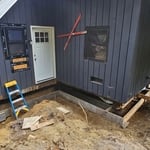
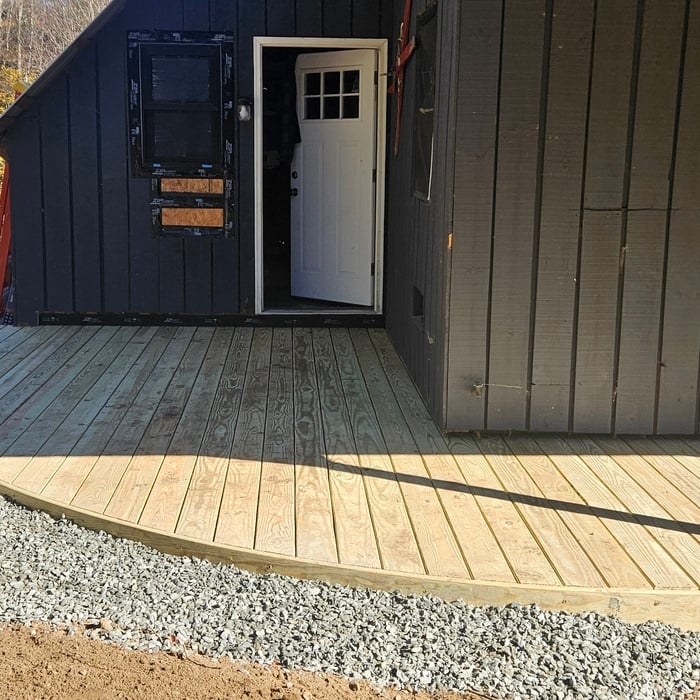
Deck rebuild
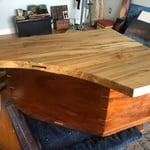
custom step/storage
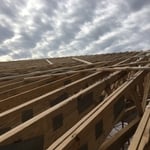
Setting trusses
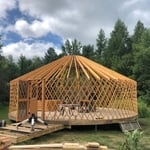
yurt
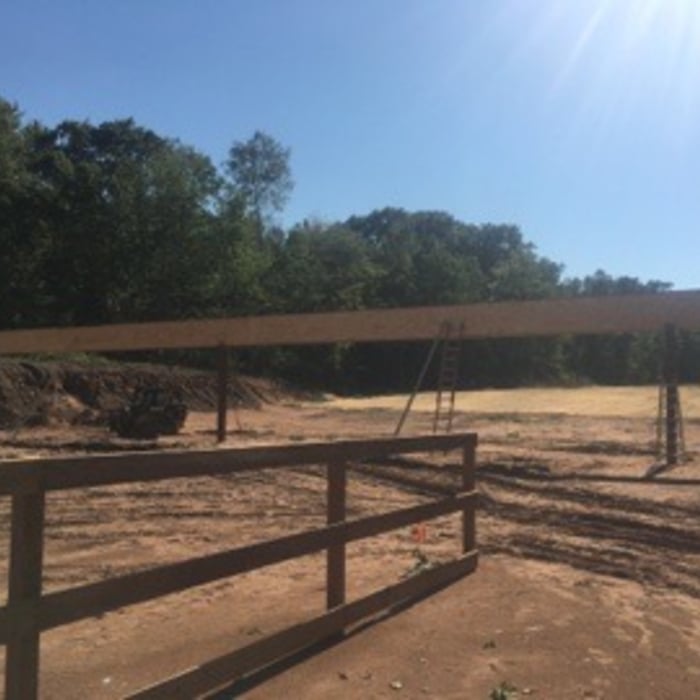
Fence and Banner

+267

Response time8 hrs
Response rate93%
4 neighbors recently requested a quote
Avatar for Insulation By Foam Pro, Inc
Insulation By Foam Pro, Inc
3.6(
8
)
Excavation - Major Grading or Resloping

Serving Montpelier, VT and surrounding areas

Approved

In business since 2004

Free estimates

Customers say: Quick response

"We needed the crawlspace under a section of our house insulated and Nate got the job done. He was very informative, thorough and fast. What a difference it made in that section of the house. I wouldn’t hesitate to use Nate again!"
Response time2 days
5 neighbors recently requested a quote
Recommended by33%of homeowners
...
Showing 1-10 of 89
Excavating questions, answered by experts

Trenching and boring are two distinct methods for installing underground utilities. Trenching involves digging a channel using equipment like an excavator, trencher, backhoe, or shovel. While it is a simpler process, it causes significant disruption to the surface, landscaping, and surrounding ecosystems.

Boring, also known as directional boring, is a less invasive alternative that uses a drill to create a tunnel for utility lines without disturbing the surface. This method is more precise and is ideal for installations that need to go underneath buildings, roads, or bodies of water. Although boring is less disruptive, it is generally more expensive than trenching.

Some two-in-one tools and machines do both jobs, and those could be the right solution for smaller residential projects. However, the phrase “use the right tool for the job” definitely applies to digging. For the best results, get two separate tools for your trenching and landscape edging projects or call a pro to take care of everything for you.

Drilled wells have a pipe sticking up that’s covered in a plastic or metal casing. On the other hand, a dug well will look like a big hole in the ground and is more similar to what you’d see in a fantasy or Western movie. If you want to be sure, contact the city for documentation on your property’s construction and excavation history. 

The best method for digging a trench depends on the scope of the project. For a short, shallow trench (less than 2 feet deep) in light, soft soil, digging by hand may be sufficient. However, digging by hand is labor-intensive, so consider the effort required. A machine trencher is the better option for longer trenches (over 100 feet), deeper ones, or when dealing with difficult soil conditions, such as rocky or hard ground, or obstructions like tree roots. A machine can save significant time and energy in these situations.

Septic drain lines (or leach lines) are typically buried between 18 and 36 inches underground, and should be at least 6 inches below the surface. These pipes are perforated and surrounded by filtering materials like sand or gravel. Burying the lines at this depth helps minimize odors and allows bacteria and other biological processes in the soil to effectively treat the wastewater. Burying lines too close to the surface can cause issues unless the soil is very compact and stable.

The Montpelier, VT homeowners’ guide to excavation services

From average costs to expert advice, get all the answers you need to get your job done.