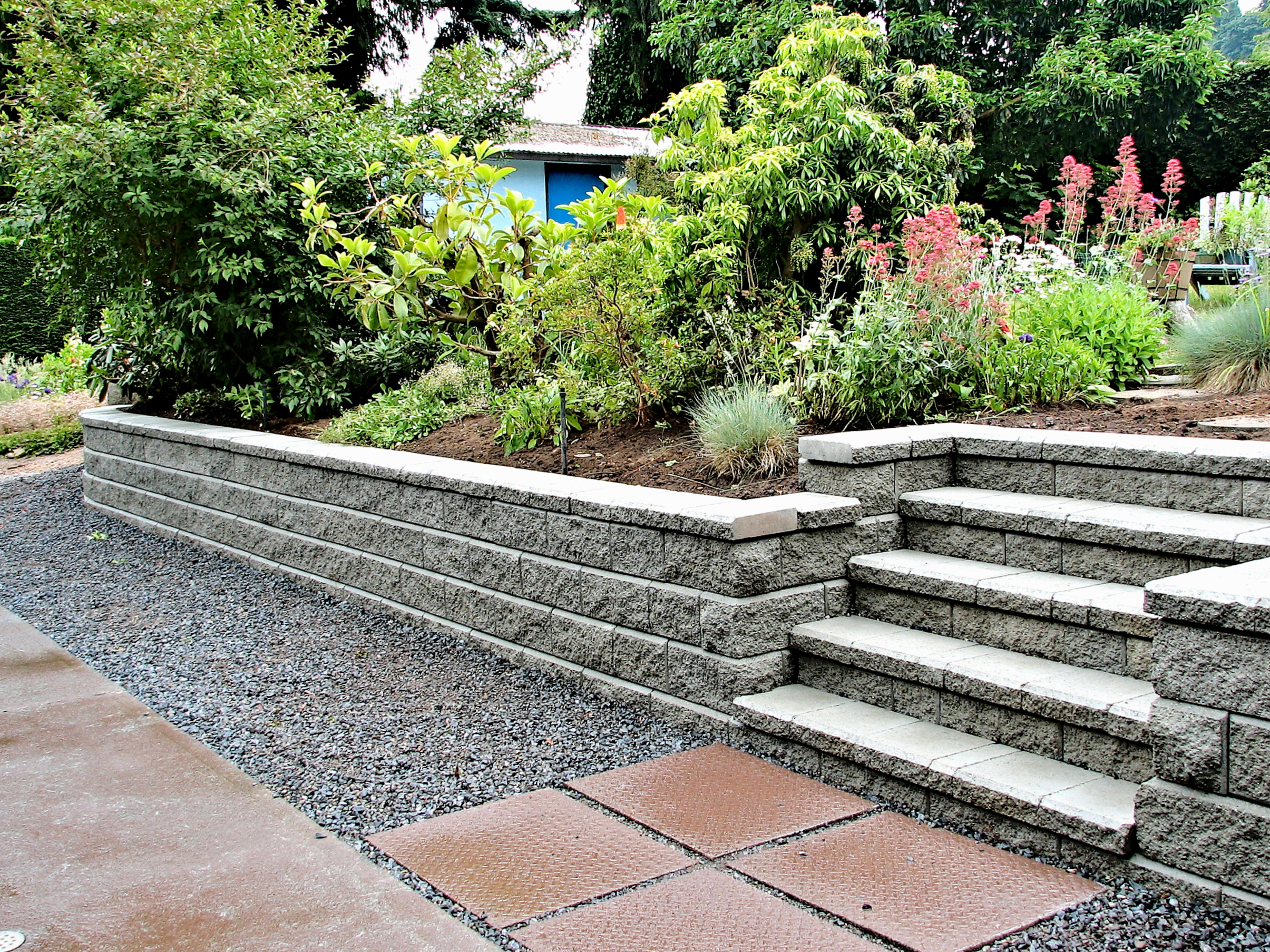






Top-rated retaining wall installation pros.

Get matched with top retaining wall installation pros in Fairfield, VT

Enter your zip and get matched with up to 5 pros

Need a pro for your retaining wall installation project in Fairfield, VT?

Select your specific project to find the pro for you.

TRUSTED BY FAIRFIELD, VT HOMEOWNERS

  • Average homeowner rating star icon4.8
    Average homeowner rating
  • Verified reviews icon12
    Verified retaining wall installation services reviews

Find Retaining wall installation pros in Fairfield

Avatar for Beyond Concrete, LLC
Beyond Concrete, LLC
4.7(
5
)
Retaining Wall - Install

Serving Fairfield, VT and surrounding areas

In business since 2012

Free estimates

Warranties offered

"We had an idea of what we wanted but had no real design. They took us thru every aspect of design and required materials to bring it to life. They presented a design with several options. We decided to go with theirs. So happy we did! Project turned out great and came in on time and in budget!"
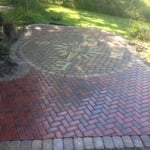
compass Rose
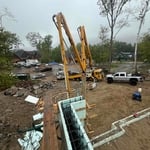
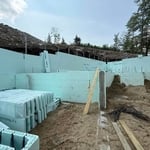
Compass Rose Project
Compas Rose Project
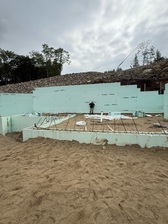
Before B.C.

+91

Response time9 hrs
Recommended by100%of homeowners
Showing 1-10 of 16
Retaining Wall Installers questions, answered by experts

While vinyl is the least costly material for building a retaining wall, the most cost-effective method is to use wood or concrete blocks for a DIY retaining wall under 2 feet tall. Wood is inexpensive but lasts 20 years or more with care. Concrete can cost a little more but is stronger and will last longer with less maintenance.

Generally speaking, a retaining wall should be between 3 and 4 feet high, depending on variables such as the wall-building material, the purpose of the retaining wall, and more. If you want your retaining wall to be taller than 4 feet, check with your local building ordinance office for the maximum allotment. You may also need a special permit for retaining walls over 4 feet tall.

Most railroad tie retaining walls have a life span of 20 to 30 years, though you may need to replace your wall sooner if it’s repeatedly exposed to heavy rain, runoff, and excess moisture. Railroad ties are typically treated with creosote, which makes them much more durable than untreated wood. Though they last longer, they don’t last forever. For the most longevity, make sure your retaining wall has a sturdy base and steel reinforcements. You should also install drainage to direct water away from the wall.

The lifespan of a retaining wall varies based on its material, installation quality, maintenance, and local climate, with an average range of 20 to 100 years. Retaining walls made from durable materials like concrete, stone, and brick generally last a minimum of 50 years. Concrete walls typically last between 50 and 100 years, while brick can last for over a century in ideal conditions. Timber retaining walls can last from 20 to 40 years, depending on the wood quality, and pressure-treated wood walls average around 30 years. It is important to note that a retaining wall can fail prematurely if it was poorly constructed, for example, with inefficient footings or without necessary rebar reinforcements.

Yes, including patterns, finishes, and plant integration for aesthetic enhancement.

The Fairfield, VT homeowners’ guide to retaining wall installation services

From average costs to expert advice, get all the answers you need to get your job done.