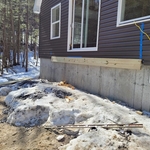
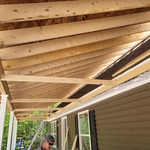
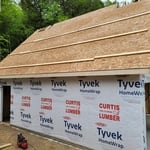
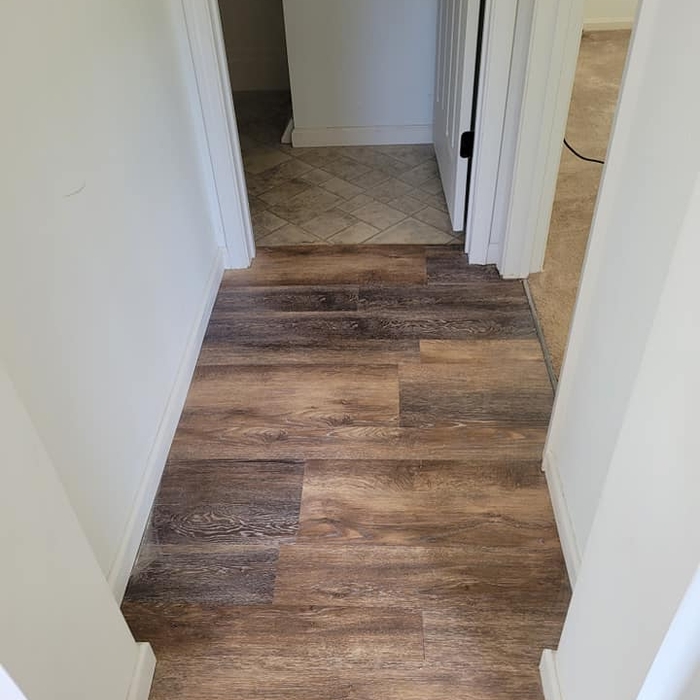
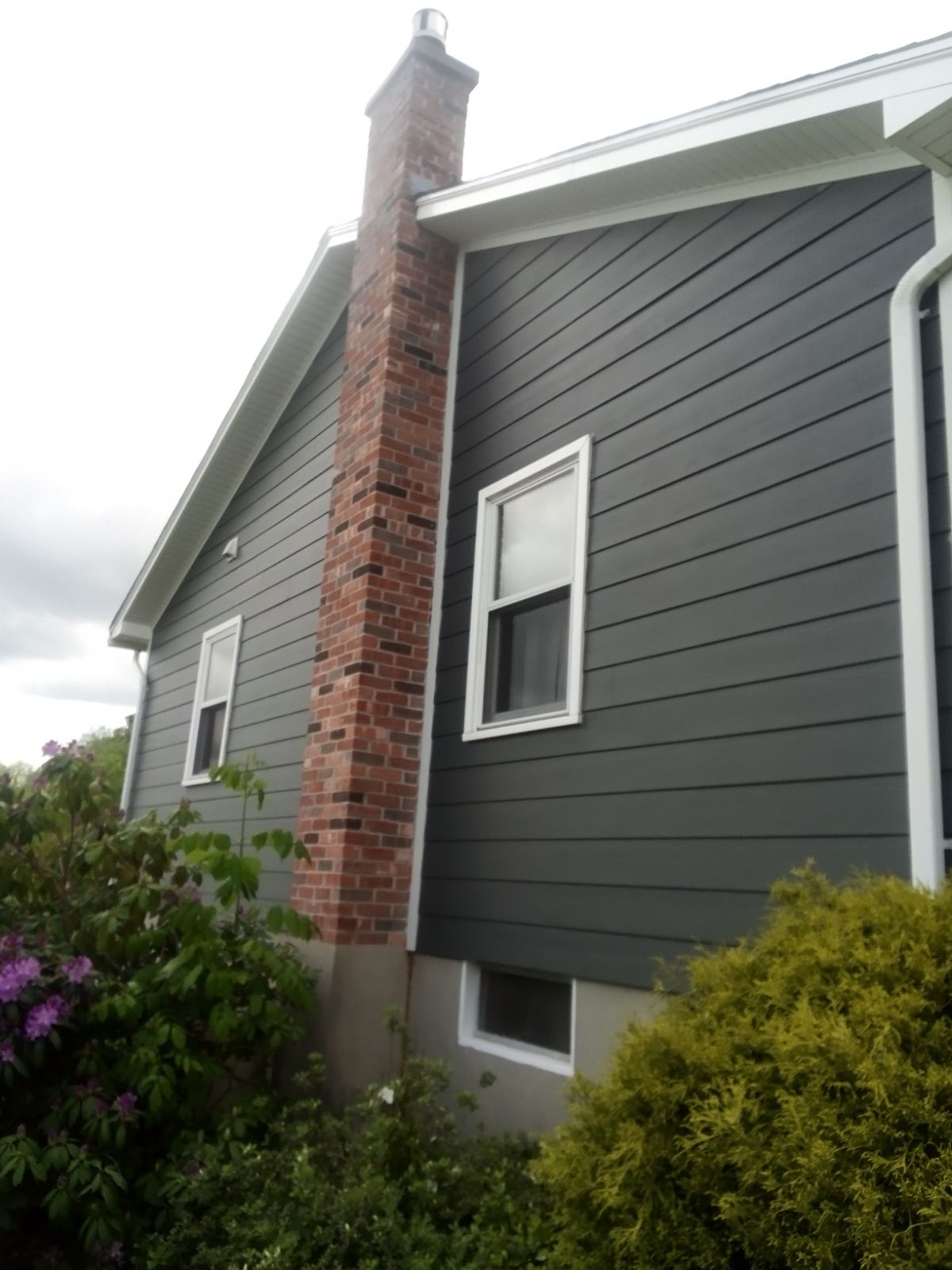
"Very Professional, got job done at at reasonable time, and very fair price. I had priced my roof with 4 different contractors and he gave me the best price and great quality work"
"The company representative stated to me that they only do commercial properties and not residential homes. I was not aware of that from the company's description. They did respond to my calls."
With our more than 20 years of experience, you can't go wrong with Veteran Maintenance & Home Repair. We are ready to take on your needs, large or small! Call us today for an estimate!
Retaining Wall Installers FAQs, answered by experts
The lifespan of a retaining wall varies based on its material, installation quality, maintenance, and local climate, with an average range of 20 to 100 years. Retaining walls made from durable materials like concrete, stone, and brick generally last a minimum of 50 years. Concrete walls typically last between 50 and 100 years, while brick can last for over a century in ideal conditions. Timber retaining walls can last from 20 to 40 years, depending on the wood quality, and pressure-treated wood walls average around 30 years. It is important to note that a retaining wall can fail prematurely if it was poorly constructed, for example, with inefficient footings or without necessary rebar reinforcements.
While vinyl is the least costly material for building a retaining wall, the most cost-effective method is to use wood or concrete blocks for a DIY retaining wall under 2 feet tall. Wood is inexpensive but lasts 20 years or more with care. Concrete can cost a little more but is stronger and will last longer with less maintenance.
Each design is different, so we can’t say definitively if you’ll need a dedicated drainage system in place for a two-foot retaining wall. However, you can likely skip the drainage, as this project is typically served for walls that are 4 feet tall or more. Even with a relatively low wall, consider drainage if you are building on top of clay or poor-draining soil types or if there are buried water sources nearby, like a well used for other outdoor garden projects.
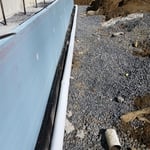
Small retaining walls still require a foundation of some kind, typically a concrete footing. This helps to ensure the wall is structurally sound and prevents the ground from shifting over time, especially during those winter freeze/thaw cycles. The footing helps spread the weight of the wall and the load it carries over a larger area of the ground, thus assisting with stability. This is true of small retaining walls, larger rock garden walls, and the like.
Regular inspection for issues like cracks or leaning and ensuring drainage stays clear.
The Dorset, VT homeowners’ guide to retaining wall installation services
From average costs to expert advice, get all the answers you need to get your job done.
Retaining wall repair cost can vary widely based on the age and condition of the wall being restored. Learn why finding the right pro is important for getting the job done.
While it’s possible to DIY build a retaining wall, several pros have advanced knowledge of hardscaping and building. Learn who to hire to build a retaining wall.
There is no one-size-fits-all retaining wall for your yard. In fact, the options are endless. Check out 20 retaining wall ideas to upgrade your hardscape.