


Top-rated lead testing and removal specialists.

Get matched with top lead testing and removal specialists in Derby, VT

Enter your zip and get matched with up to 5 pros

Need a pro for your lead testing and removal project in Derby, VT?

Select your specific project to find the pro for you.

Find Lead testing and removal specialists in Derby

Avatar for Gold Star Services LLC
Gold Star Services LLC
4.5(
11
)

Serving Derby, VT and surrounding areas

Approved

Free estimates

Emergency services offered

Credit card accepted

"They did such a wonderful job! They were friendly and professional and did even more around the house than we’d imagined. We were so impressed with how thorough and careful they were with our home. I’ve never been so pleased! We’ll definitely hire them again and would recommend them to everyone."
Commercial strip and wax
Mold remediation
Air bnb
Air bnb
Commercial building cleaning

+150

Response time4 days
4 neighbors recently requested a quote
Recommended by72%of homeowners
Avatar for Solanna Homes LLC
Solanna Homes LLC
2.4(
5
)

Serving Derby, VT and surrounding areas

In business since 1986

Free estimates

"It was a very technical job. They did a fantastic job. They were prompt and got the job done under budget. It was a completely pleasurable experience for me and I highly recommend them to anyone!"
Additional Photos
Additional Photos
Additional Photos
Additional Photos
Additional Photos

+1

Recommended by50%of homeowners
Lead Testing and Removal questions, answered by experts

According to the Environmental Protection Agency (EPA), hazardous waste is generally classified into four main categories:

1. Characteristic Wastes: These exhibit at least one of four hazardous traits: ignitability (flammable, like gasoline), corrosivity (can rust or decompose materials, like car batteries), reactivity (unstable and can explode, like aerosol cans), or toxicity (harmful when ingested, like lead-based paint).

2. Listed Wastes: These are specific wastes from manufacturing and industrial processes that the EPA has officially designated as hazardous. They include byproducts from processes that use solvents, pesticides, and other chemicals.

3. Universal Wastes: These are commonly generated hazardous items that are subject to streamlined regulations. Examples include batteries, pesticides, mercury-containing equipment (e.g., bulbs), and some lamps.

4. Mixed Wastes: This category includes waste that contains both hazardous and radioactive components, making it subject to regulation by both the EPA and the Nuclear Regulatory Commission.

Lead exposure poses significant health risks, including neurological, developmental, and behavioral disorders, especially critical in young children and fetuses.

Costs depend on test type, home size, number of testing locations, and whether follow-up testing is required.

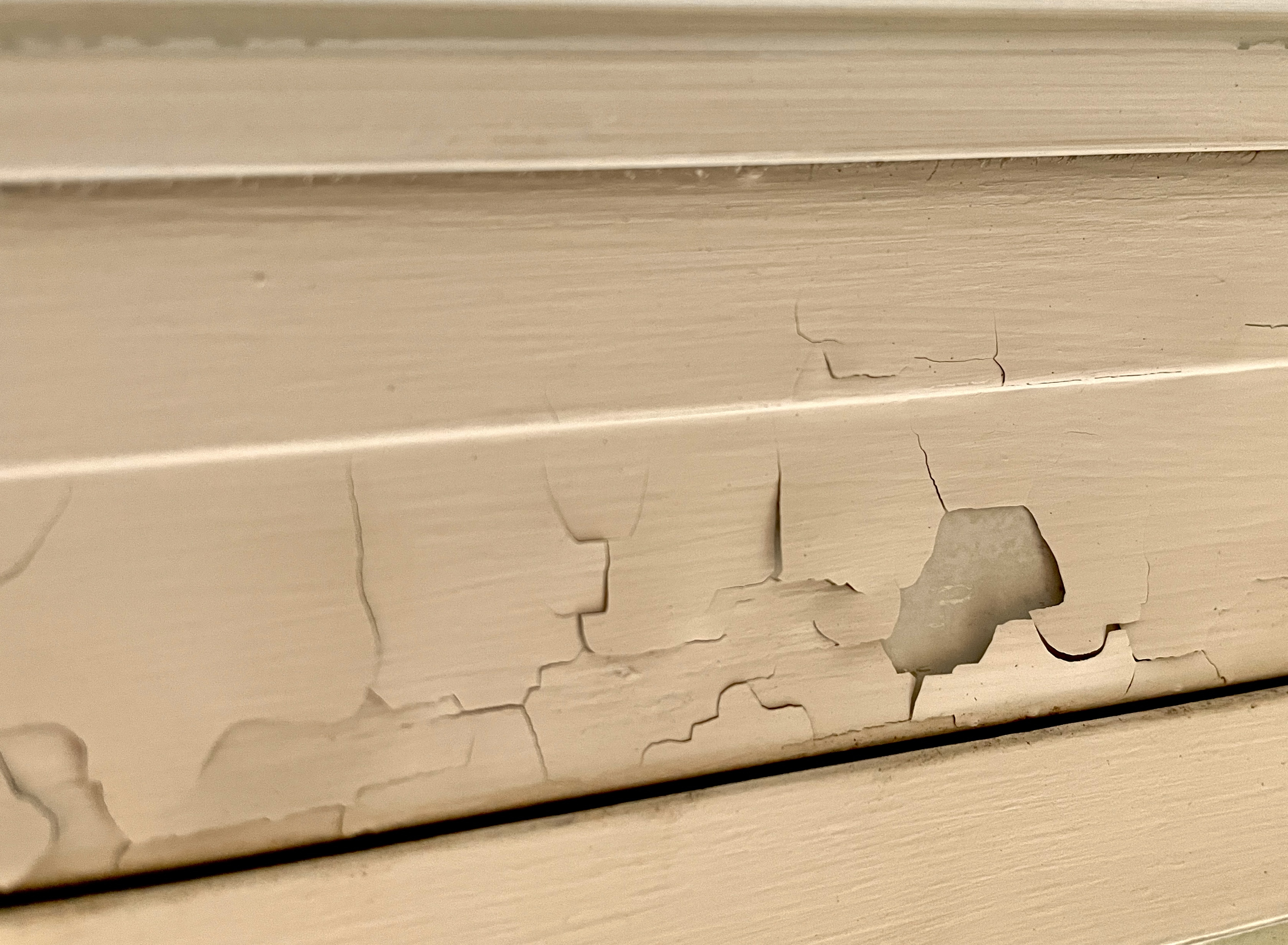
Lead toxicity comes from inhaling lead or consuming it. Before the 1980s, when the government banned lead from consumer use, it could be found in paint, plumbing, pipes, ceramics, and even gasoline. Lead paint is toxic for the same reason lead itself is toxic, which is why lead poisoning from paint presents the same as lead poisoning from water or food sources, with a slight increase in respiratory symptoms vs. digestive symptoms. Lead paint is most dangerous when it’s old and peeling, cracking, or otherwise disturbed. This increases the concentration in the air and, therefore, in breathable air. 

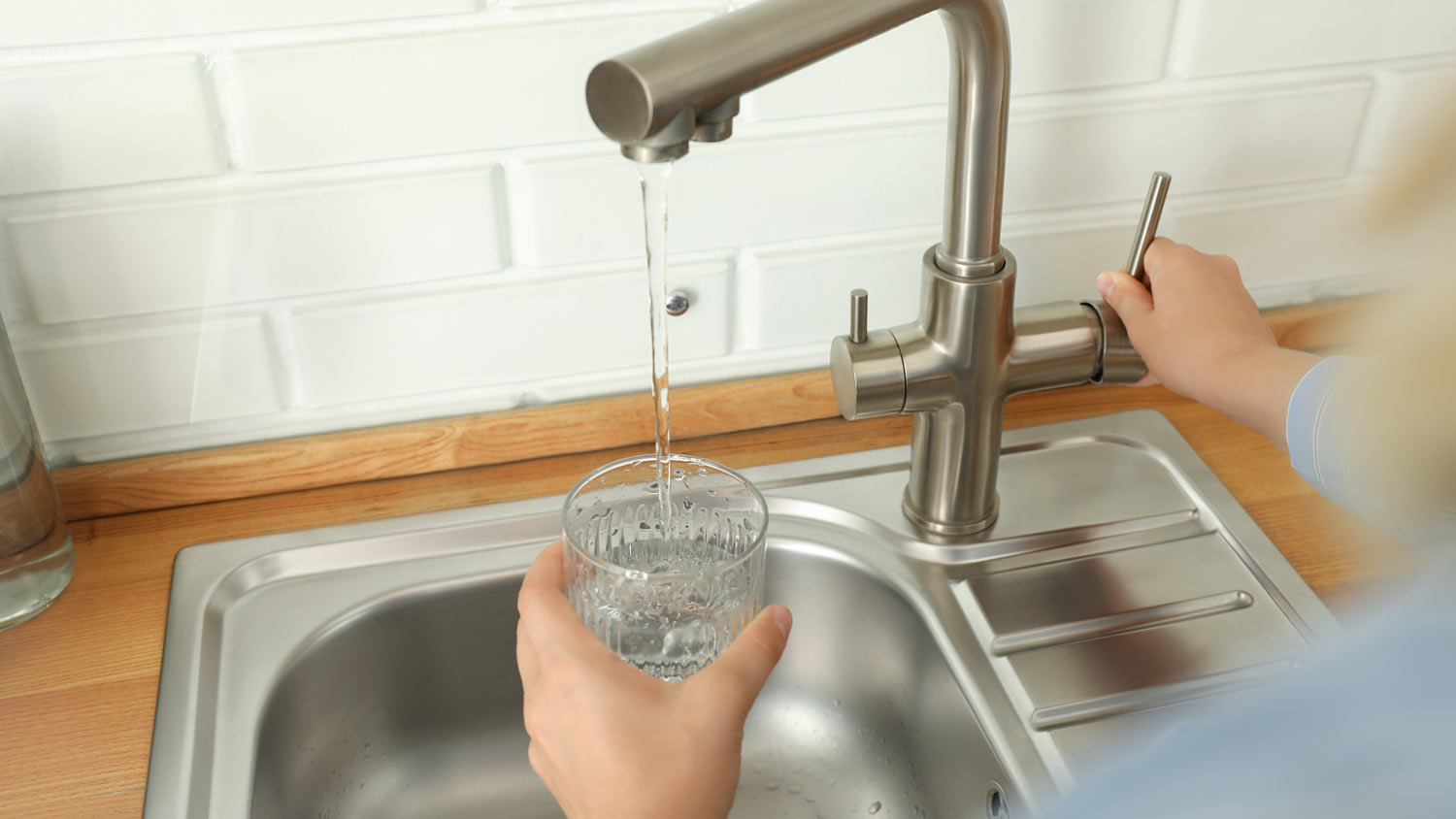
Iron sediments from rusty pipes are not likely to cause health problems. While a glass of yellow-hued water is off-putting, it is generally safe to drink yellow water in the short term. But you certainly want to address this problem. In the meantime, switching to bottled water until the yellow water issue is resolved is a good idea. 

The Derby, VT homeowners’ guide to lead testing and removal services

From average costs to expert advice, get all the answers you need to get your job done.