

Top-rated lead testing and removal specialists.

Get matched with top lead testing and removal specialists in Brownington, VT

Enter your zip and get matched with up to 5 pros

Need a pro for your lead testing and removal project in Brownington, VT?

Select your specific project to find the pro for you.

Find Lead testing and removal specialists in Brownington

Avatar for Gold Star Services LLC
Gold Star Services LLC
4.6(
12
)
Toxic Lead - TestingToxic Lead - Abatement

Serving Brownington, VT and surrounding areas

Approved

Free estimates

Emergency services offered

Credit card accepted

"They did such a wonderful job! They were friendly and professional and did even more around the house than we’d imagined. We were so impressed with how thorough and careful they were with our home. I’ve never been so pleased! We’ll definitely hire them again and would recommend them to everyone."
Commercial strip and wax
Mold remediation
Air bnb
Air bnb
Commercial building cleaning

+150

4 neighbors recently requested a quote
Recommended by66%of homeowners

Avatar for Solanna Homes LLC
Solanna Homes LLC
2.4(
5
)
Toxic Lead - AbatementToxic Lead - Testing

Serving Brownington, VT and surrounding areas

In business since 1986

Free estimates

"It was a very technical job. They did a fantastic job. They were prompt and got the job done under budget. It was a completely pleasurable experience for me and I highly recommend them to anyone!"
Additional Photos
Additional Photos
Additional Photos
Additional Photos
Additional Photos

+1

Recommended by50%of homeowners
Lead Testing and Removal questions, answered by experts

The average cost of a lead paint inspection is about $600, but it can cost as low as $150 or as much as $800, depending on the size of the area, geographic location, and the inspection methods. Some of the most common lead paint inspection methods include:

  • Visual inspection: $150–$400

  • Paint sampling: $200–$600

  • X-ray fluorescence (XRF): $250–$700

  • Risk assessment: $300–$800

Structural problems with the foundation or roof, water damage, and significant plumbing or electrical issues are all considered major red flags in a home inspection. Of these, a structural problem related to the foundation is often the most severe. Foundation repairs are typically the most expensive and intrusive to carry out, averaging around $5,000 but sometimes reaching up to $16,000. Because these problems can pose safety risks and be costly to fix, you should ask your inspector detailed questions about any identified issues. You will need to carefully consider how major problems affect what you’re willing to pay for the home, or if you want to proceed with the sale at all.

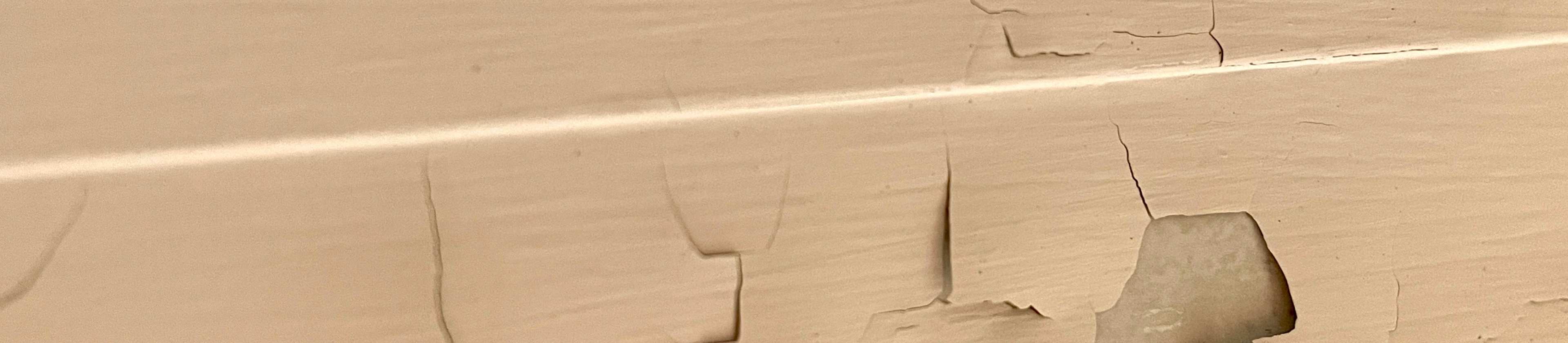
While the EPA provides guidelines for homeowners to perform DIY lead paint removal, it is a risky process and generally not recommended due to serious health risks and strict regulatory requirements. The process requires precise safety precautions, such as wearing a respirator and protective eyeglasses, creating sealed exits, and using a HEPA vacuum for cleanup. To ensure the job is done safely, effectively, and in compliance with regulations, it is highly recommended to hire a professional lead abatement company. Certified professionals have the necessary training, experience, and specialized equipment (like chemical strippers and HEPA vacuums) to handle and dispose of hazardous materials safely.

No. Standard homeowners insurance does not cover any kind of lead remediation, focusing instead on sudden, unpreventable events like fires and theft. Many insurance companies will specifically exclude lead paint removal, since it tends to be an expensive and unavoidable project. The exception is if the lead surface is damaged during a covered event (like a flood) and homeowners insurance pays its replacement.

According to the Environmental Protection Agency (EPA), hazardous waste is generally classified into four main categories:

1. Characteristic Wastes: These exhibit at least one of four hazardous traits: ignitability (flammable, like gasoline), corrosivity (can rust or decompose materials, like car batteries), reactivity (unstable and can explode, like aerosol cans), or toxicity (harmful when ingested, like lead-based paint).

2. Listed Wastes: These are specific wastes from manufacturing and industrial processes that the EPA has officially designated as hazardous. They include byproducts from processes that use solvents, pesticides, and other chemicals.

3. Universal Wastes: These are commonly generated hazardous items that are subject to streamlined regulations. Examples include batteries, pesticides, mercury-containing equipment (e.g., bulbs), and some lamps.

4. Mixed Wastes: This category includes waste that contains both hazardous and radioactive components, making it subject to regulation by both the EPA and the Nuclear Regulatory Commission.

The Brownington, VT homeowners’ guide to lead testing and removal services

From average costs to expert advice, get all the answers you need to get your job done.