


Top-rated excavation pros.

Get matched with top excavation pros in Chittenden, VT

Enter your zip and get matched with up to 5 pros

Need a pro for your excavation project in Chittenden, VT?

Select your specific project to find the pro for you.

TRUSTED BY CHITTENDEN, VT HOMEOWNERS

  • Average homeowner rating star icon4.6
    Average homeowner rating
  • Verified reviews icon12
    Verified excavation services reviews

Find Excavation pros in Chittenden

Avatar for D.R Guilmette Landworks
D.R Guilmette Landworks
New to Angi

Serving Chittenden, VT and surrounding areas

Approved

In business since 2010

Free estimates

Credit card accepted

D.R Guilmette Landworks has extensive experience working with various areas of land developing. From building site preparation, to new patios for an existing home, our company can do it all.

23 neighbors recently requested a quote
Avatar for Rocky Oaks
Rocky Oaks
New to Angi

Serving Chittenden, VT and surrounding areas

Approved

In business since 2010

Free estimates

We take great pride in our experience, expertise, quality, and customer service that we provide to meet the consumer's needs. It is our mission to provide excellent workmanship and complete customer satisfaction from start to completion of a project. We specialize in all your outdoor needs from excavating, grading, and demolition. Our reputation is based on service, safety, and quality, regardless of how large or small the job.\n\n

After
Before
After brush hogging
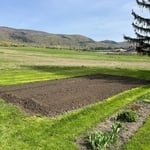
A nice rototilling for a garden!
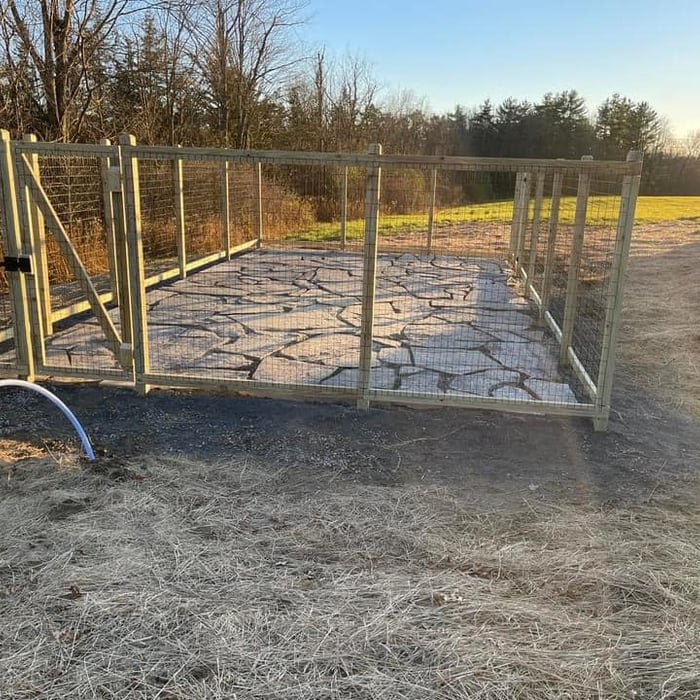
Fence done for a garden

+3

Response time4 days
Avatar for Green Mountain Basement Solutions LLC
Green Mountain Basement Solutions LLC
4.0(
30
)

Serving Chittenden, VT and surrounding areas

In business since 2007

Free estimates

Emergency services offered

"We have had an intermittant water problem in our basement primarily when it rains heavily in the Winter.
I was very happy with the quick response from Mike Sears when we initially called to ask about repairing a water leak problem in our basement.  Mike explained how his proposed solution would work to alleviate the water problem. 
Mike left us with a detailed estimate and informational materials about the proposed repair.  He also explained what wasn't included in the job such as tearing out the current sheetrock, insulation and framing from the wall.  I did  this part of the work and the reconstruction after the drain had been installed.
We spoke to Mike a few days later, agreed to the price and set a date for the repair.
On the scheduled date, two of Mikes employees arrived on time and began to prep for the repair.  They did a good job of hanging plastic sheeting around their work area so that the dirt and dust would not get into the rest of the basement.
We had discovered a crack in the basement wall which wasn't visible when the original estimate was given.  Scott Lee gave  us a written estimate to repair it with carbon-fiber cloth and sealant.  While this was an unexpected expense, there was no reason to put in a drain and leave a crack in the wall.
Taking out a basement floor with a jackhammer and installing a drain is a hard, dirty job.  Scott and his co-worker completed this job in about 6 1/2 hours including the additional work for the wall crack.
They did a good job of cleaning up the old concrete and all working materials 
Scott explained how the pump would work when the water table under the house rose.  
My only issue with quality was the uneven concrete finish work on the basement floor above the drain.  Because this was leveled by hand, there is a somewhat noticeable depression in this area of the floor.
Overall, I am happy with the work and looking forward to a dry basement when the rains come this spring.


"
Recommended by75%of homeowners

...
Showing 1-10 of 59
Excavating questions, answered by experts

Professional installers often include a deep layer of crushed gravel under permeable pavers to allow more runoff to soak through into the soil below. Many installations will include multiple layers of gravel, with coarser aggregate at the base and finer aggregate that sits on top of that bottom layer. Above the gravel, you’ll often find coarse sand that helps reduce paver shifting over time. Some permeable paver designs include a water collection system set into the gravel layer to route runoff to a safe area for disposal.

In the United States, a depth of 36 inches (three feet) for underground water lines is the accepted industry standard. This depth varies from location to location based on local conditions. In areas with colder winters, they may be buried deeper to prevent frozen well water pipes : This is usually at least six inches below the frost level. The International Plumbing Code calls for a minimum of 12 inches below grade.

There are several methods to hollow out a tree stump, and the best one depends on your tools, experience, and priorities. Common methods include using a chisel and hammer, a chainsaw, or burning.

  • Chisel and Hammer: This is often considered the easiest approach for those with limited tools or experience, though it is the most time-consuming.

  • Chainsaw: Using a chainsaw is the fastest method, but it comes with significant safety risks, especially for inexperienced users.

  • Burning: This can be an effective method, but it is not recommended unless you can first drill holes into the stump. Without holes, the stump will be difficult to light and may not burn completely through.

A power drill with at least a ⅜-inch diameter bit can make the job quicker and easier, regardless of the primary method. While you can use a chisel or chainsaw without a drill, it will require more time and effort. Always wear protective goggles and thick gloves, as splinters are an inevitable risk.

The rules and regulations regarding groundwater use vary between states. To find out if you can dig a well on your property, you’ll have to consult these regulations, address any compliance requirements, and get the appropriate permits. It’s also important to check that your intended location has the right geology and water table to support a well.

Because decomposed granite is a durable material, a crushed rock or gravel base is optional as long as the DG is properly installed and compacted. However, installing a base is a good idea because it will ensure proper drainage and stability and act as a weed suppressant (although you may still occasionally have to pull weeds). Installing an adequate base can also increase the durability of driveways and walkways. If you forego the paver base or gravel underneath, line the area with landscaping fabric to avoid weeds.

The Chittenden, VT homeowners’ guide to excavation services

From average costs to expert advice, get all the answers you need to get your job done.