
Top-rated asphalt driveway pros.

Get matched with top asphalt driveway pros in Arlington, VT

Enter your zip and get matched with up to 5 pros

Need a pro for your asphalt driveway service project in Arlington, VT?

Select your specific project to find the pro for you.

Find Asphalt driveway pros in Arlington

Avatar for Precision Concrete
Precision Concrete
4.9(
14
)
Concrete Driveways & Floors - Install- For BusinessConcrete Driveways - Install

Serving Arlington, VT and surrounding areas

In business since 1998

Free estimates

Credit card accepted

"Fantastic work by fantastic people. They were friendly and professional from beginning to end, taking pride in their work, and explaining every step of the process, including best maintenance practices. We would recommend Precision Concrete a million times over!"
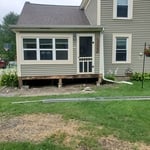
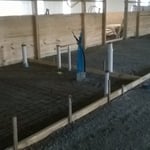
barn floor
Barn floor
Barn floor
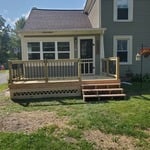
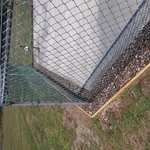
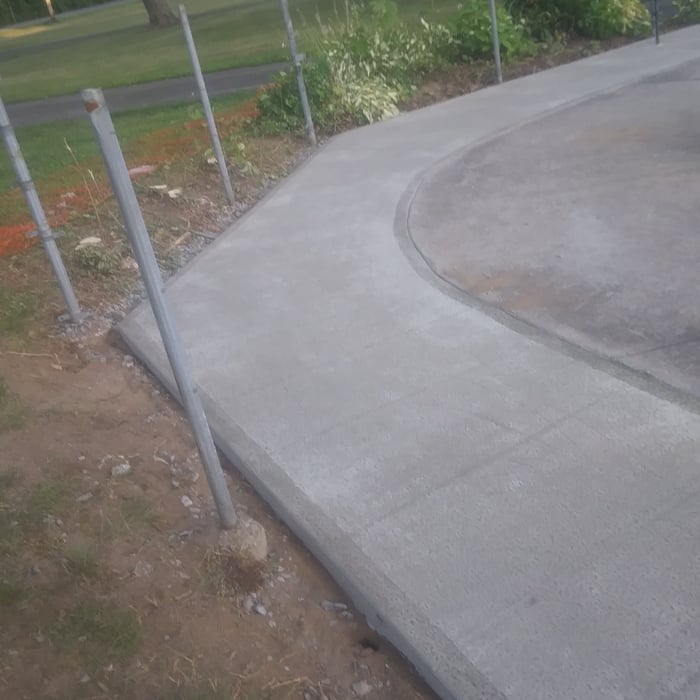
After
After

+31

Response time2 days
Recommended by100%of homeowners

Showing 1-10 of 44
Asphalt Driveways questions, answered by experts

Gravel is one of the few driveway materials that can handle rain the second it’s installed. Unlike asphalt, which needs days to set, or concrete, which requires weeks to cure, gravel is ready as soon as it’s compacted. It’s naturally permeable, allowing water to drain straight through—with no risk of pooling or surface damage. Gravel driveways are one of the most affordable, at $1 to $3 per square foot, and can also last upward of 100 years.

Whether it's worth it to install a heated driveway depends on how often you'll use it, your lifestyle, and your budget. If you live in a mild climate with little snowfall, then installing a built-in heated driveway system may not be worth it. If you live in a region that experiences mild snowfall, then a portable mat could work better. However, if you live in a region with heavy snowfall, it makes sense to invest in a built-in heated driveway. 

The decision to repair or replace your driveway depends on the extent of the damage. If your driveway has a few small cracks, a simple repair will do the trick. If you see larger cracks and potholes, it may be time to consider resurfacing or replacement. Resurfacing is a great option if more than 25% of the surface is damaged, but if the damage is extensive—deep cracks or significant sinking—it’s best to replace the driveway entirely. A new driveway, with proper care, can last decades while patching or resurfacing might only hold up for a few years before needing more attention.

The material that’s best for your private road depends on your property, the climate in your area, and your personal preferences. Gravel is an affordable option, but some homeowners don’t like how it looks. It can be a pain to remove snow from, and it requires more ongoing maintenance than asphalt or concrete. However, while these other options require less maintenance and make snow removal a breeze, they’re more expensive and will need repairs from time to time. Ultimately, you’ll have to choose the road material that suits you and your property best.
You can expect your asphalt pavement to last anywhere from 20 to 30 years, or 25 years on average. The life expectancy of your asphalt driveway depends on the climate, the amount of traffic, and how well you maintain it. While you can’t necessarily control some of these factors, you can control the amount of maintenance effort you put into your driveway. 

To prevent your asphalt from deteriorating prematurely, you should follow a good maintenance routine involving regular cleaning, reparation work, and resealing.

The Arlington, VT homeowners’ guide to asphalt driveway services

From average costs to expert advice, get all the answers you need to get your job done.