



Top-rated drywall pros.

Best drywall pros near Sugar Grove, VA

Enter your zip and get matched with up to 5 pros

Need a pro for your drywall service project in Sugar Grove, VA?

Select your specific project to find the pro for you.

Top-Rated Drywall pros in Sugar Grove - Updated Nov 2026

colton price
New to Angi
Drywall - Repair

Serving Sugar Grove, VA and surrounding areas

Approved

Free estimates

Emergency services offered

Warranties offered

Im a hardworking and dependable worker based in Virginia with experience in Commercial & residential construction, hauling, equipment operation, property maintenance, and outdoor labor. I take pride in doing quality work, showing up on time, and treating every job like it’s my own property.\n\nI’m available for jobs throughout the surrounding areas and willing to travel for the right project. My skills include general labor, demolition, hauling, light carpentry, land clearing, drywall work, concrete prep, equipment operation, and property cleanup.\n\nCustomers hire me because I communicate well, work efficiently, and focus on getting the job done right the first time. I’m always willing to take on new challenges and provide reliable service at a fair price.\n

Avatar for Rife Remodeling & Flooring
Rife Remodeling & Flooring
4.7(
41
)
Drywall - InstallDrywall - Install - For BusinessDrywall - Repair+1 more

Serving Sugar Grove, VA and surrounding areas

In business since 2007

Free estimates

Emergency services offered

"They done a wonderful job the crew is very professional and Neat clean up after the job was done very respectful of your property I could not have asked for a better experience with this contractor I would highly recommend this contractor to anyone that wanted anything done"
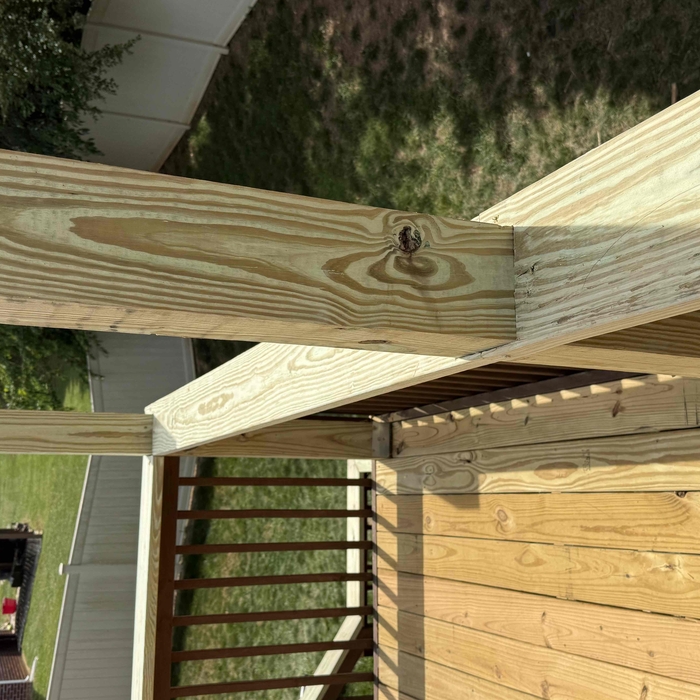
Additional Photos
Additional Photos
Additional Photos
Additional Photos
Additional Photos

+34

Recommended by96%of homeowners
Avatar for D & C CONTRACTING LLC
D & C CONTRACTING LLC
5.0(
2
)
Drywall - InstallDrywall - Install - For BusinessDrywall - Repair+1 more

Serving Sugar Grove, VA and surrounding areas

In business since 2014

Free estimates

Emergency services offered

"Very Professional Job, crew is prep all the areas for clean and encapsulate mold at my basement, repair drywall and paint using very good products, I recommended, the owners is  certified for work  hazmat materials.
Very thrust people, family company.
"
Additional Photos
Additional Photos
Additional Photos
Additional Photos
Additional Photos

+8

Recommended by100%of homeowners
Avatar for Walls Construction and Handyman Services, Inc.
Walls Construction and Handyman Services, Inc.
4.4(
16
)
Drywall - InstallDrywall - Install - For BusinessDrywall - Repair+1 more

Serving Sugar Grove, VA and surrounding areas

Emergency services offered

Credit card accepted

"2 gentleman from Walls Construction and Handyman came out and cleaned gutters thoroughly. While there they did free roof inspection and found that 2 roof boots were cracked. They notified me and I told them to go ahead and repair them. They are one of the most outstanding companies I have ever had come out and do work on my house. Greg Maratto was very polite, experienced and just an over all joy. The office staff was also very polite and professional. I would definitely recommend using this company for any of your construction/handyman needs.
"
Additional Photos
Recommended by86%of homeowners
...
Showing 1-10 of 60
Drywall FAQs, answered by experts

You should always hang drywall from the top down. Starting at the top makes it easier to create a straight, tight line between the ceiling and the wall. Any gaps that occur will be at the bottom, where they are easier to manage. You can either cut the bottom piece of drywall to fit the remaining space or cover the gap with baseboard trim. Additionally, starting at the top is physically easier, as you won't have to fit the top sheet into a tight space between the lower sheet and the ceiling, or try to balance the upper sheets on the lower ones while securing them.

Although they have similar applications, spackle and joint compound are not the same. Their primary differences lie in their composition, consistency, and ideal use cases.

Spackle is composed of gypsum and binding agents, making it thicker than joint compound. It dries quickly and is easy to sand, which makes it ideal for small wall repair projects like filling nail holes or patching minor damage.

Joint compound, also known as drywall mud, consists of limestone and gypsum. It is primarily used for large-scale projects, such as taping and finishing the seams on newly installed drywall. It tends to shrink more than spackle and can be more difficult to spread.

While both products can be used to fill small depressions and cracks, spackle cannot replace joint compound for taping and mudding new drywall. Conversely, you can often use joint compound for small patching jobs typically done with spackle.

All plaster walls will crack over time due to normal house settling and expansion and contraction from temperature and moisture changes. Small, thin hairline cracks are generally not serious and are mostly a cosmetic issue. However, larger or more significant cracks can indicate structural problems.

Here's how to tell the difference:

  • Cosmetic Cracks: Cracks that are 0.5 cm (0.2 inches) or thinner are typically cosmetic.

  • Structural Cracks: Cracks wider than 0.5 cm, excessive or deep cracks, multiple cracks in the same area, or cracks that span around corners can signify a structural or foundation issue. Cracks along the joints where walls meet the ceiling also warrant attention.

For cracks wider than 0.5 cm, structural repair is needed. If a crack is 2.5 cm (1 inch) or wider, or if you notice any signs of a structural problem, it is best to contact a plaster repair professional to assess the damage.

To hide drywall edges, you need to properly apply drywall tape and multiple layers of joint compound. These materials hide the seams between drywall sheets and fill the holes from drywall screws, leaving behind a smooth, flat finish to paint over. Apply joint compound smoothly, and finish the job by sanding the walls to make sure you fully hide drywall edges and other imperfections.

The two most common drywall thicknesses for ceilings are 1/2-inch and 5/8-inch. For most standard residential applications, 1/2-inch drywall is sufficient and widely used. It provides adequate support and is lighter and easier to handle during installation compared to thicker sheets. However, 5/8-inch drywall is often used for specific cases where additional benefits are needed. It is heavier but provides superior sound dampening and fire resistance. You should consider using 5/8-inch drywall for ceilings in commercial buildings, between a garage and a living space, or above a finished basement to meet building codes or for enhanced soundproofing.

The Sugar Grove, VA homeowners’ guide to drywall services

From average costs to expert advice, get all the answers you need to get your job done.