
"CSI was flexible and was able to schedule a home inspector the day after I got a bid accepted on a house. The inspector, Patrick, showed up on time and the inspection took about 4 hours. Patrick was responsive to any questions I had by email or live during the inspection. My one recommendation is that I requested a pest, mold, radon, and home inspection. It would be a better heads up if they explained that they sometimes outsource the radon inspection depending on availability of radon inspectors. Also, they can explain a bit more for new home buyers what is involved with a mold inspection. Patrick ended up just eyeing whether he spotted any mold. Because he did not see any mold, we did not have to pay extra for mold samples."
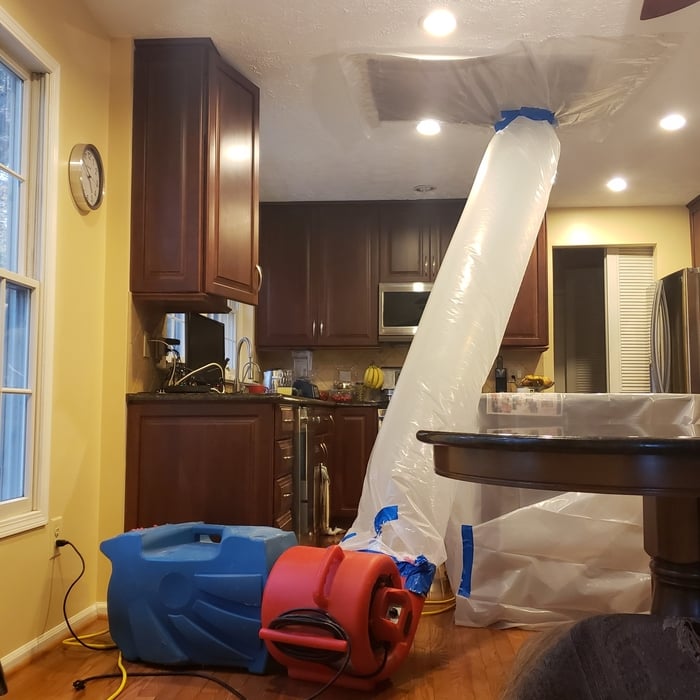
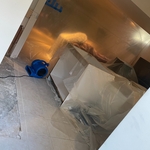
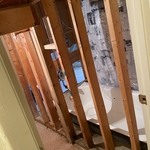
"Bill and his team did an excellent job in handling the remediation for water that got into my home. Would highly recommend them given their promptness and general assistance in getting this situation under control."
"CHC did a magnificent job and my husband and I are pleased with the services provided. The staff members and owner of CHC were very professional and walked us through the entire process."
Lead Testing and Removal questions, answered by experts
No. Standard homeowners insurance does not cover any kind of lead remediation, focusing instead on sudden, unpreventable events like fires and theft. Many insurance companies will specifically exclude lead paint removal, since it tends to be an expensive and unavoidable project. The exception is if the lead surface is damaged during a covered event (like a flood) and homeowners insurance pays its replacement.
Structural problems with the foundation or roof, water damage, and significant plumbing or electrical issues are all considered major red flags in a home inspection. Of these, a structural problem related to the foundation is often the most severe. Foundation repairs are typically the most expensive and intrusive to carry out, averaging around $5,000 but sometimes reaching up to $16,000. Because these problems can pose safety risks and be costly to fix, you should ask your inspector detailed questions about any identified issues. You will need to carefully consider how major problems affect what you’re willing to pay for the home, or if you want to proceed with the sale at all.
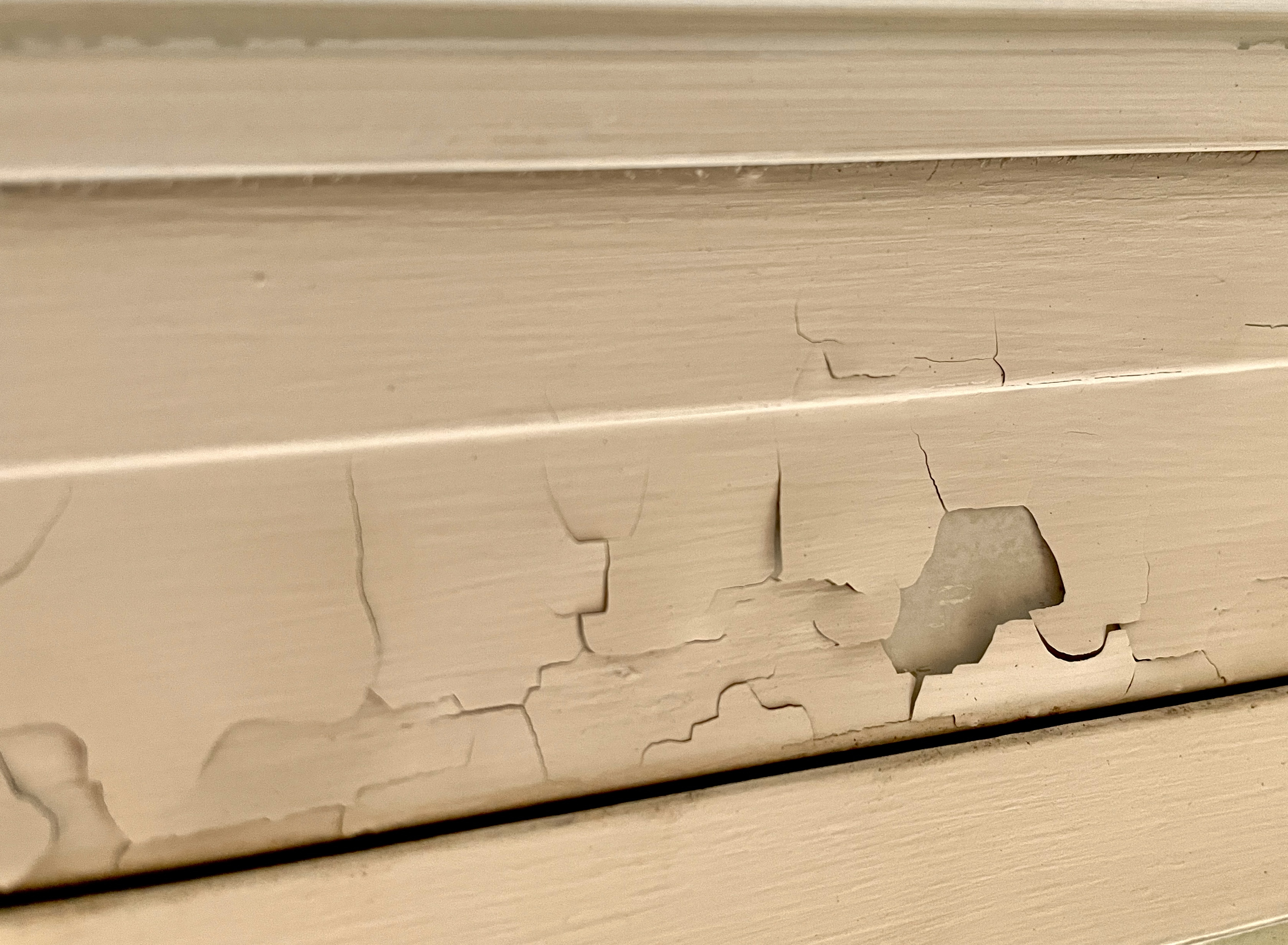
The average cost of a lead paint inspection is about $600, but it can cost as low as $150 or as much as $800, depending on the size of the area, geographic location, and the inspection methods.
Some of the most common lead paint inspection methods include:
Visual inspection: $150–$400
Paint sampling: $200–$600
X-ray fluorescence (XRF): $250–$700
Risk assessment: $300–$800
Sampling typically takes 1-3 hours, and depending on the provider, lab results are available within 2-7 days.
You can expect to pay between $200 and $400 for a lead inspection, where your local lead testing pro will scan surfaces and items with an X-ray fluorescent analyzer. Lead risk assessments are slightly different and run around $800 to $2,000. A pro may find lead during an evaluation, and create a removal strategy.
The Oak Grove, VA homeowners’ guide to lead testing and removal services
From average costs to expert advice, get all the answers you need to get your job done.
Get expert insights on lead paint inspection costs, including key cost factors and ways to save. Learn what affects your estimate and how to budget effectively.
Learn how to hire a qualified lead testing professional for your home. Find certified inspectors, understand costs, and protect your family from lead hazards.