


Top-rated landscapers.

Get matched with top landscapers in Kinsale, VA

Enter your zip and get matched with up to 5 pros

Need a pro for your landscaping project in Kinsale, VA?

Select your specific project to find the pro for you.

Find Landscapers in Kinsale

Avatar for Modern Structure Rebuild LLC
Modern Structure Rebuild LLC
5.0(
7
)
Retaining Wall - Install

Serving Kinsale, VA and surrounding areas

Approved

Free estimates

"I am greatly surprised by the remodel of my bathroom, the amount of efficiency this team has is incredible. They finished my bathroom in 3 weeks and did absolutely AMAZING, and my wife was very meticulous about having dotted tiles on the shower wall, and she was very satisfied with the results of the bathroom as well. Happy wife, happy life."
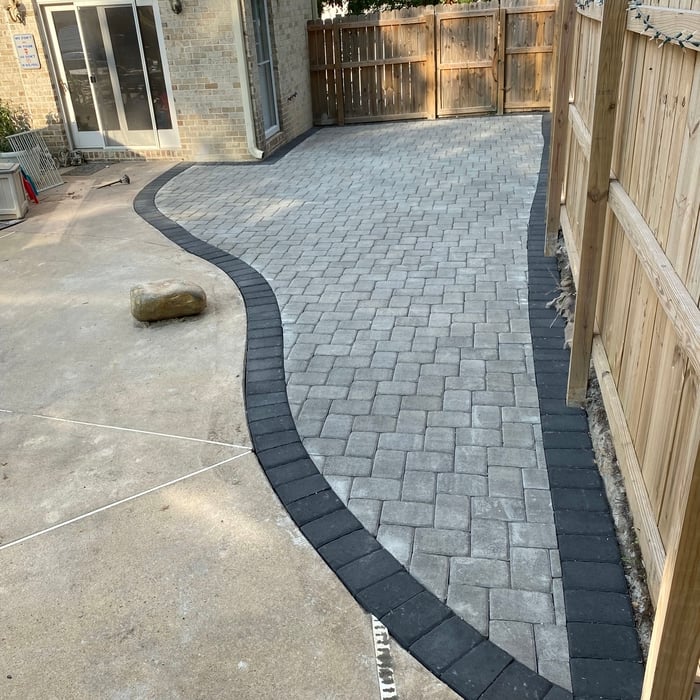
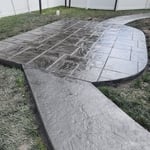
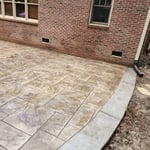
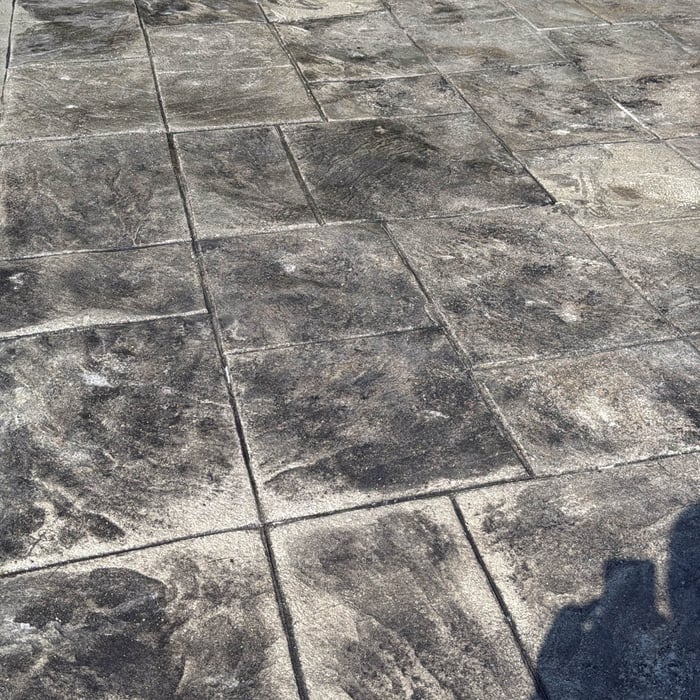
Concrete Driveways
Concrete Driveways
Concrete Driveways
Concrete Driveways
Bathroom Remodel

+10

3 neighbors recently requested a quote
...
Showing 1-10 of 139
Landscaping questions, answered by experts

Late August, September, and mid-October are the ideal months for planting a young tree. However, the best time to plant a tree ultimately depends on when the weather transitions to fall-like conditions and eventually winter frost. As long as the hottest days of summer have passed and the ground hasn’t frozen yet, you can still successfully plant trees.

Unless it only rains once in a blue moon where you live, you’re going to want water-loving plants in your garden bed or pot. A few ideas for plants that aren’t super fast-growing (meaning they’re good in pots or near foundations) and can handle a lot of standing water include: 

  • Acorus (Sweet flag)

  • Colocasia esculenta (Taro or elephant ear): In many climates, these are annuals, making them less desirable because you need to adjust the chain again after each replant.

  • Equisetum scirpoides (Dwarf horsetail rush): non-dwarf varieties of horsetail are fast growers and can take over quickly.

  • Juncus effusus (Curly rush)

  • Osmunda regalis (Royal fern): Royal fern can grow quickly but can also handle being crowded, making them good container plants.

The best size rock for your landscaping depends on the design, as different boulders serve different purposes. If you want to group boulders to create a natural-looking cluster, you’ll need a range of sizes. Otherwise, here are some suggestions:

  • Small boulders (smaller than 12 inches across): Best for landscape edging and fire pits 

  • Medium boulders (12–24 inches): Best for retaining walls and water features

  • Large boulders (more than 24 inches): Best as standalone landscaping features, steps, or walkways.

Of course, you can mix and match sizes to create a unique display.

Xeriscaping can be more affordable than traditional landscaping, but it depends on your landscape design. However, you will save on water. If you live in an arid climate or a location prone to droughts, xeriscaping is an especially efficient way of reducing your lawn’s water demand without detracting from the beauty of your yard.

Yes, it is possible to add too little mulch. Anything less than 1 inch will likely result in too little coverage around your plants, allowing weeds to grow through and minimizing the positive effects that a deeper bed of mulch would have, like maintaining proper soil moisture and insulating the ground.

The Kinsale, VA homeowners’ guide to landscaping services

From average costs to expert advice, get all the answers you need to get your job done.