

Green, Greene, and Greener
Water Feature - Install a Pond
Serving Goodview, VA and surrounding areas
In business since 2001
Free estimates
Credit card accepted
"Great service, neat, clean and reliable."

+15
Recommended by85%of homeowners

 4.2
4.2  235
235 *The Angi rating for Aquarium Service companies in Goodview, VA is a rating based on verified reviews from our community of homeowners who have used these pros to meet their Aquarium Service needs.
*The HomeAdvisor rating for Aquarium Service companies in Goodview, VA is a rating based on verified reviews from our community of homeowners who have used these pros to meet their Aquarium Service needs.
Last update on August 28, 2026
Serving Goodview, VA and surrounding areas
In business since 2001
Free estimates
Credit card accepted
"Great service, neat, clean and reliable."
+15
Serving Goodview, VA and surrounding areas
In business since 2021
Free estimates
Emergency services offered
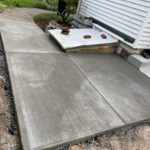
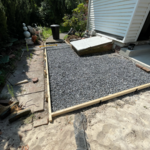
We are a owner-operated concrete company with based out of Christiansburg VA, we specialize in driveways, sidewalks, patios, stamped and all of your concrete needs. Our staff will make sure to tend to your every need and questions regarding our work.

From average costs to expert advice, get all the answers you need to get your job done.

Discover mosquito control service cost estimates, including average prices, key cost factors, and tips to save on professional mosquito treatments for your home.

If you’re moving, you need to consider distance, weight, packing, and more. Our guide provides the average cost to move a 3-bedroom house long distance.
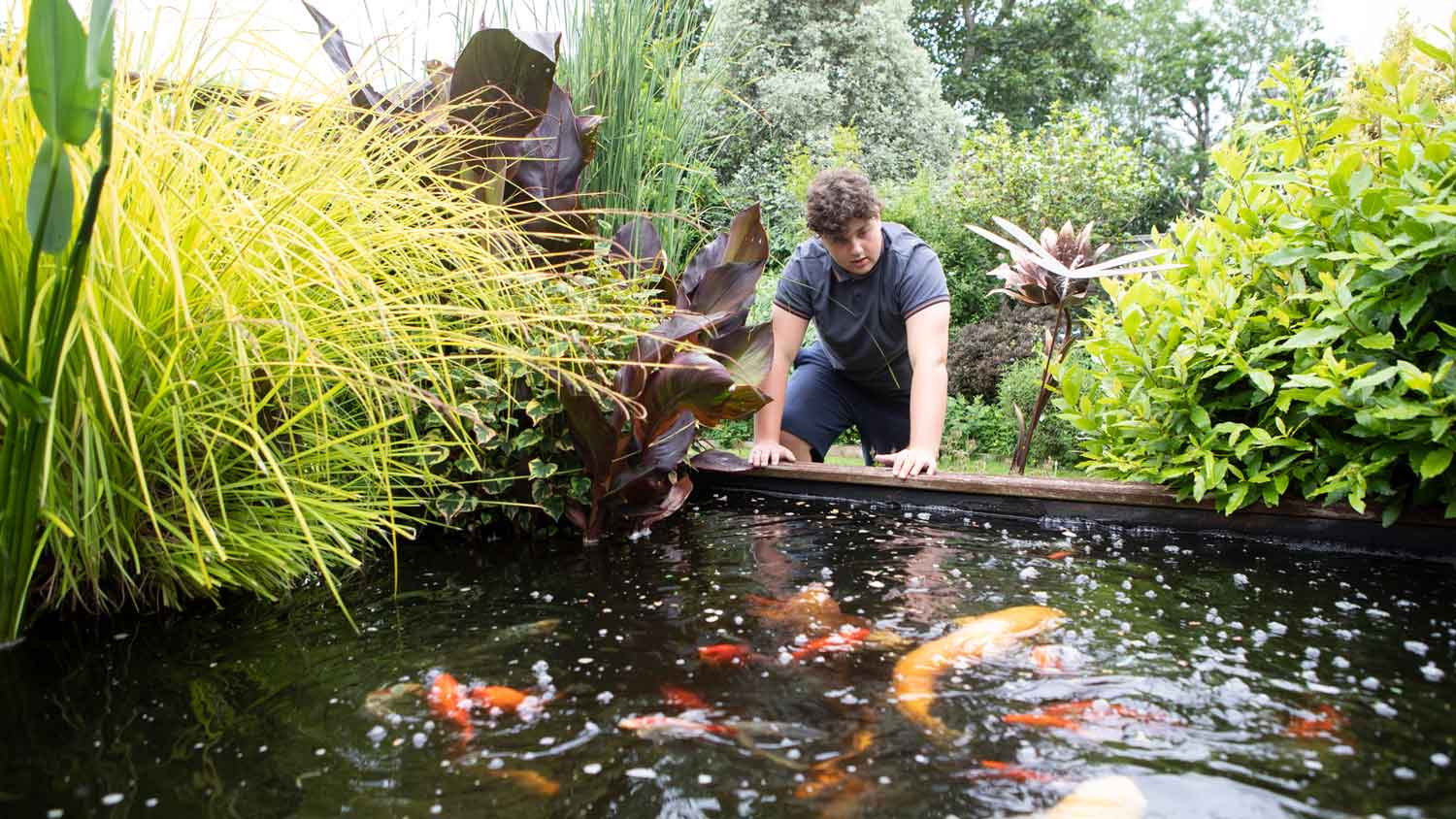
Discover how much it costs to stock a pond, including average prices, key cost factors, and tips to help homeowners plan their pond stocking project.
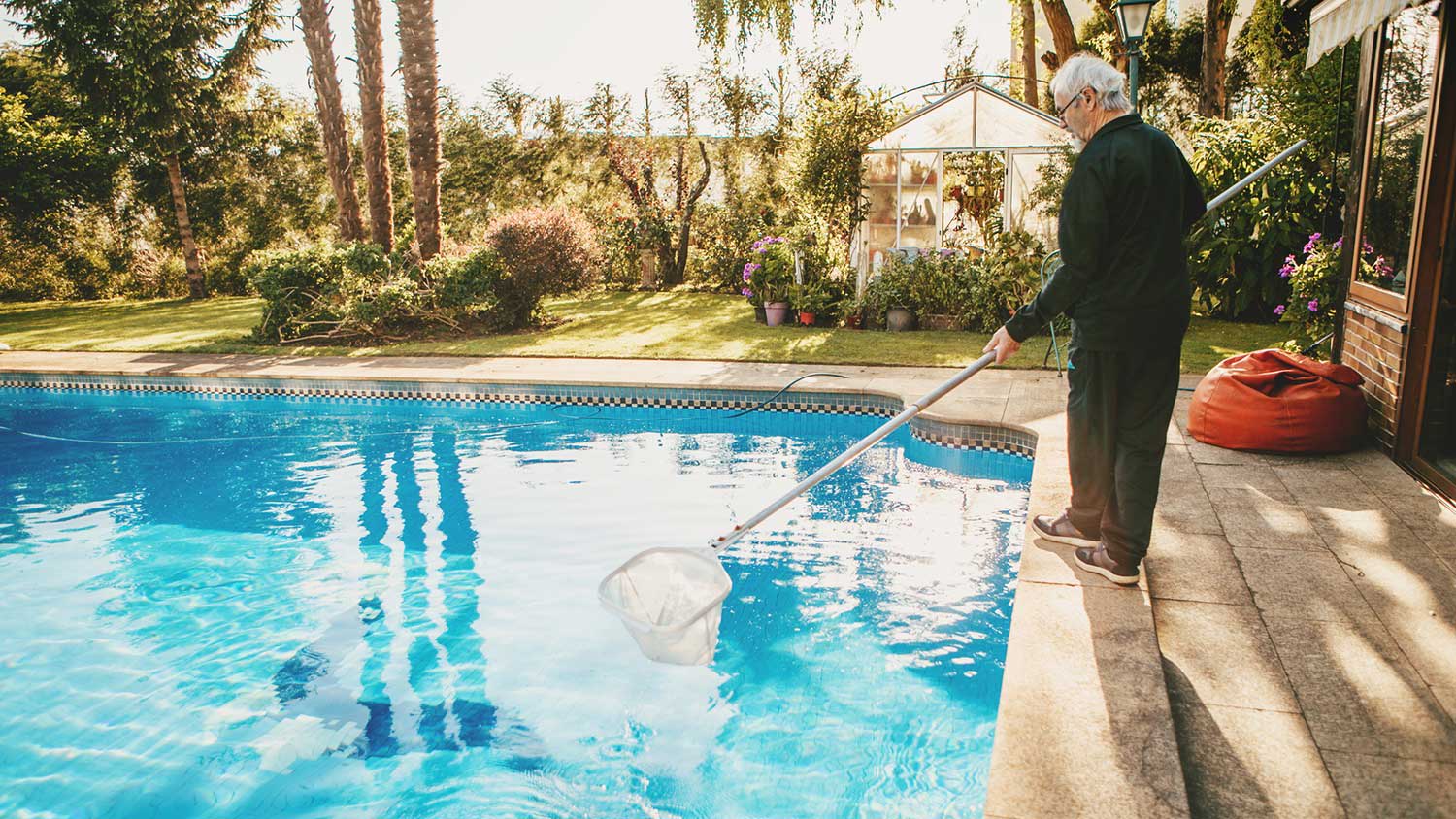
If you live in an area without very cold winters but tempted to close your pool during the cooler months, read on. We dive into the many benefits of winter service.

Learn about home items that are nearly impossible to move without movers, either because they are awkwardly shaped, too heavy, or require special equipment.
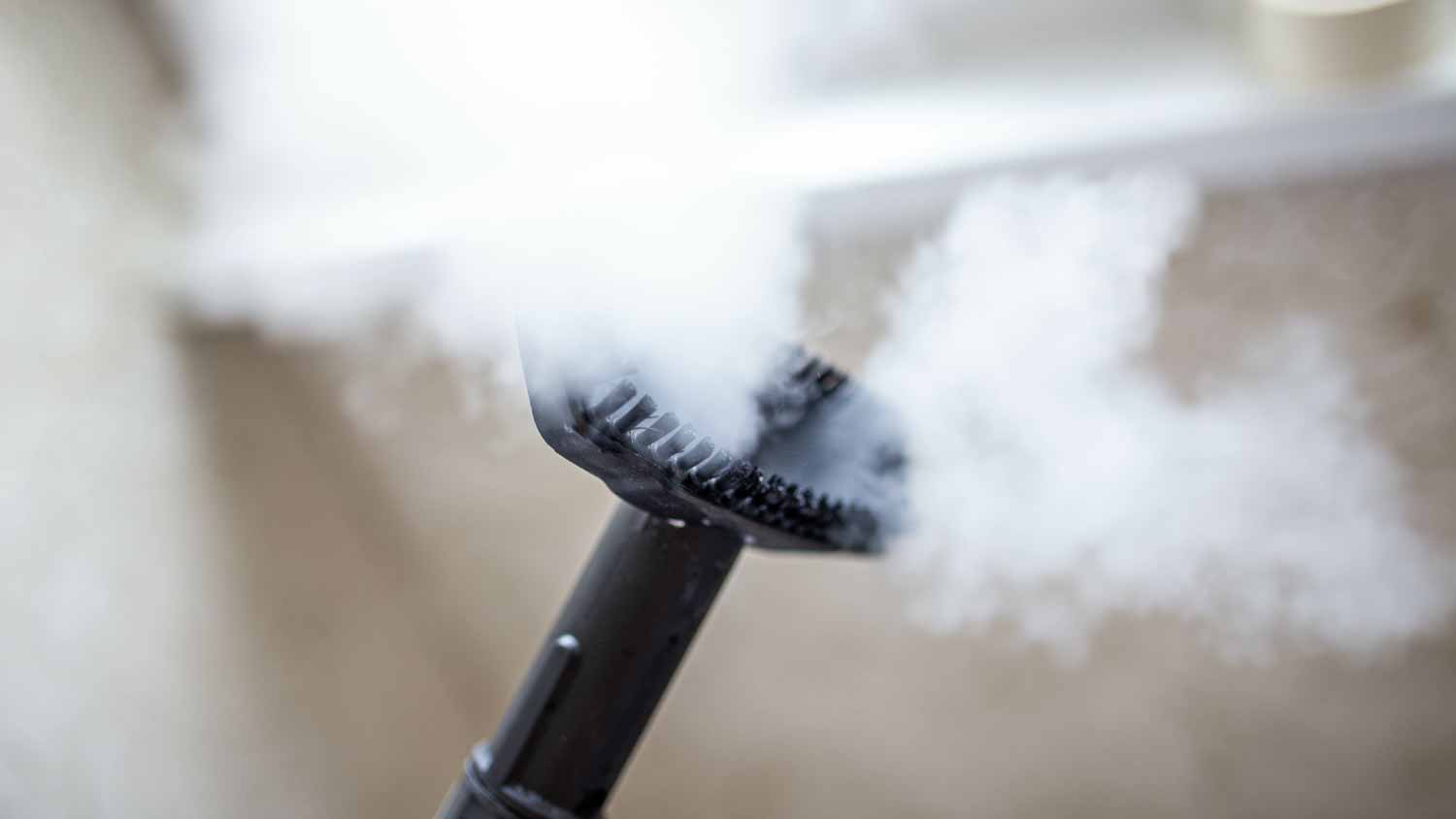
Steam cleaning makes your floors feel spotless without harsh chemicals. However, certain areas benefit from steam more than others. Here’s what you can clean with a steam cleaner.