


Top-rated animal fencing pros.

Best animal fencing pros near Goode, VA

Enter your zip and get matched with up to 5 pros

Need a pro for your animal fencing service project in Goode, VA?

Select your specific project to find the pro for you.

Top-Rated Animal fencing pros in Goode - Updated Nov 2026

Animal Fencing FAQs, answered by experts

Animal removal specialists specialize in removing critters and wildlife from in and around your home. These include:

  • Bats

  • Birds

  • Groundhogs

  • Moles and voles

  • Opossums

  • Mice and rats

  • Raccoons

  • Skunks

  • Squirrels

The specialist's method to remove these critters will depend on the animal. For example, groundhogs will be live-trapped and relocated, whereas, for birds, the expert will remove and discard the inactive nest and sanitize the area. 

Yes, filling gaps can help with pest problems in your home. Sealing baseboard gaps reduces small-insect entry points into your home. Even tiny spaces provide pathways for pests, so addressing all gaps throughout your home creates a more effective barrier than spot treatments in individual rooms.

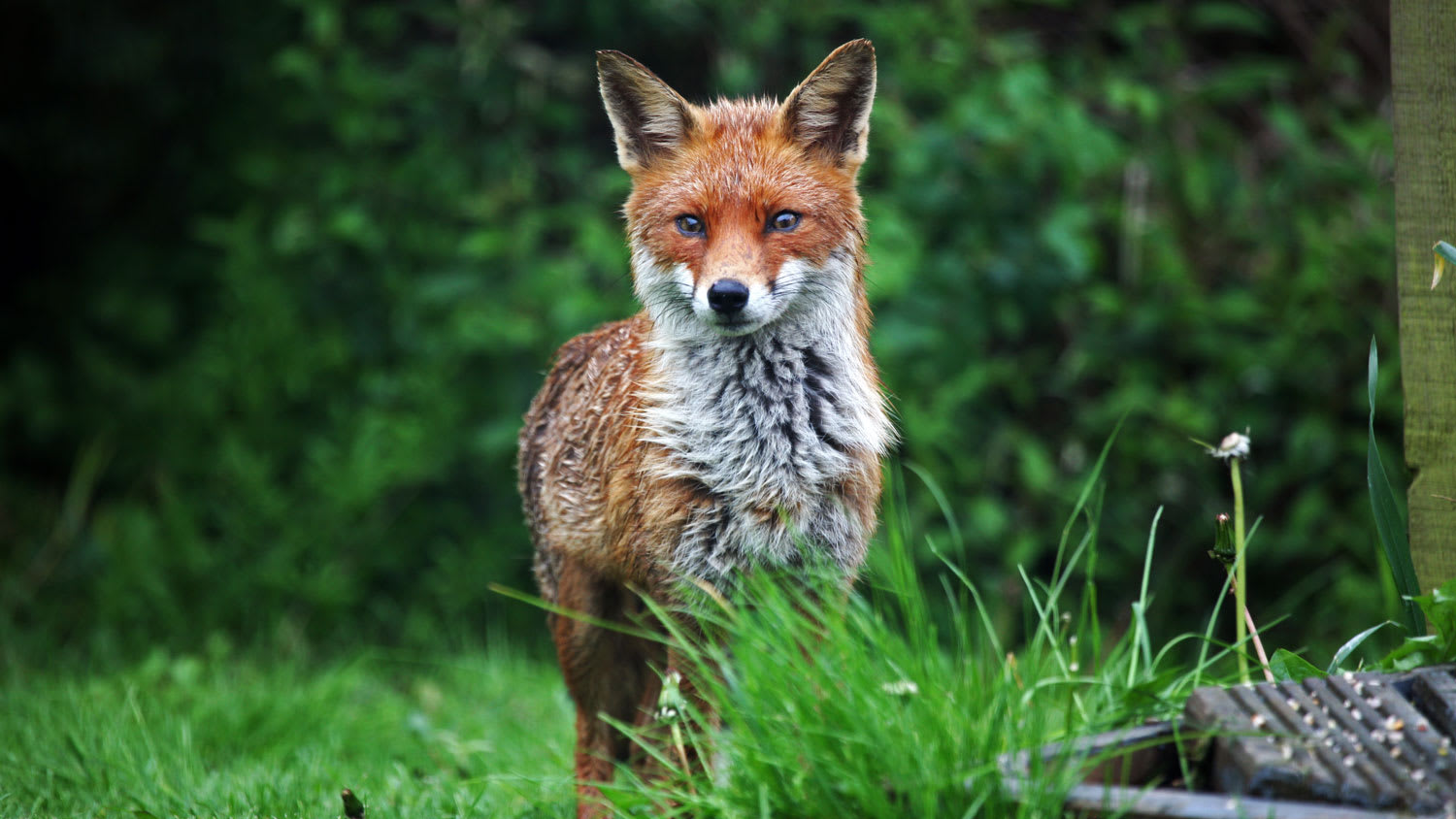
Foxes hate strong scents and sudden disturbances. They dislike the smell of ammonia, vinegar, garlic, chili peppers, and predator urine, which can make an area less appealing. Motion-activated lights and sprinklers also unsettle them, as foxes prefer to avoid sudden movements and bright lights. Additionally, they are wary of loud noises and unexpected sounds.

If you’re having trouble with your traps, first examine them for flaws that would allow a squirrel to escape easily, such as loose doors or hinges. It’s also important to consider the location of your trap: Place it in areas with higher squirrel traffic, and make sure it’s on a sturdy surface so it can’t wobble or tip (squirrels aren’t likely to walk in a trap that isn’t stable). Lastly, try changing out your bait—in-shell peanuts or peanut butter often work best.

Armadillos are most active during cooler hours to avoid extreme temperatures, particularly the daytime heat in the warm climates where they live. This activity pattern helps them reduce the risk of overheating and dehydration. They are generally active from late at night to early morning, often between 2 a.m. and 5 a.m., but can also be seen around dawn and dusk. An exception to this is during mating season (June-July in the northern hemisphere, November-December in the southern hemisphere), when male armadillos may be more active than usual.

The Goode, VA homeowners’ guide to animal fencing services

From average costs to expert advice, get all the answers you need to get your job done.