Top-rated weed maintenance pros.

Get matched with top weed maintenance pros in Elkton, VA

Enter your zip and get matched with up to 5 pros

Need a pro for your weed maintenance project in Elkton, VA?

Select your specific project to find the pro for you.

TRUSTED BY ELKTON, VA HOMEOWNERS

  • Average homeowner rating star icon4.1
    Average homeowner rating
  • Verified reviews icon31
    Verified weed maintenance services reviews

Find Weed maintenance pros in Elkton

Peter Thacker
5.0(
1
)
Lawn Care - Maintain and Mow a Lawn

Serving Elkton, VA and surrounding areas

Approved

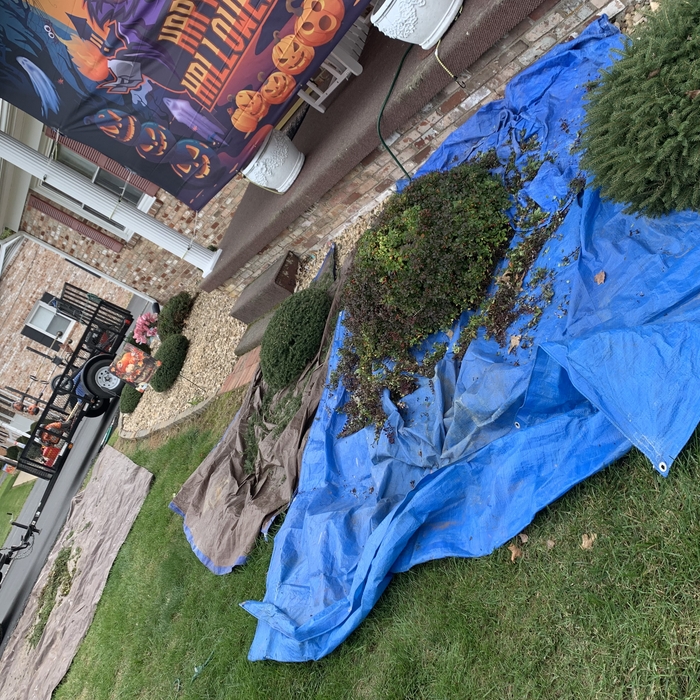
"Peter arrived at agreed on time, went over the three areas (remove brushy weeds, weedeat, clean weeds from around propane tank and clean up residue.) It took 3 hours on a hot humid day using cuutters for thumb thick brush and a tarp to collect cuttings. He did it well and even picked up trash blown out of passing vehicles without being asked or told to do so. I plan on using him again as I am 77 and not able to do this type of yardwork any more."
...
Showing 1-10 of 106
Weed Services questions, answered by experts

Dandelions, while hard to control and widespread across the country, are not typically categorized as noxious. Yellow starthistle, however, looks very similar to a dandelion and is highly damaging to local plants and invasive across the country.

Johnsongrass and crabgrass are invasive weeds that can overtake your lawn. Crabgrass is a low-growing grass most often seen in lawns, flower beds, and vegetable gardens. While you may find Johnsongrass growing in your lawn, it will also grow in pastures, crop fields, and the edge of the road. Johnsongrass is much coarser than crabgrass. If left alone, Johnsongrass can grow up to 8 feet tall. 

A spot herbicide for weed control is effective at killing crabgrass and not grass, but it depends on the type of herbicide. Always check the label to ensure that your herbicide is safe for grass but tough on crabgrass. Overall, spot treatment is ideal because it puts fewer herbicides into the soil, which can damage the soil. If you’re wanting a natural remedy to crabgrass that also won’t harm surrounding grass, you can also hand-remove crabgrass or even pour boiling water or 5% vinegar over crabgrass as a spot treatment.

Glyphosate and other non-selective herbicides can kill orchard grass, but they will also kill the surrounding plants. Also, not all areas allow the use of glyphosate due to its environmental impact—which the EPA describes as a "potential risk to terrestrial and aquatic plants and birds, and low toxicity to honeybees." Consider mechanical removal to target the plants specifically.

You should add 1 to 4 inches of mulch, depending on your garden type and needs. Keep in mind that no amount of mulch can completely prevent weeds, but a heavier coverage (closer to 4 inches) can suppress weeds enough that you are only seeing them sprout every few weeks. Finer mulch prevents weeds more effectively than large mulch, so if you’re using mulched leaves or shredded bark, 1 to 2 inches will likely suffice, while 3 to 4 inches is best for larger mulch, like bark chips or straw.

The Elkton, VA homeowners’ guide to weed maintenance services

From average costs to expert advice, get all the answers you need to get your job done.