



Top-rated landscapers.

Get matched with top landscapers in Callaway, VA

Enter your zip and get matched with up to 5 pros

Need a pro for your landscaping project in Callaway, VA?

Select your specific project to find the pro for you.

TRUSTED BY CALLAWAY, VA HOMEOWNERS

  • Average homeowner rating star icon4.6
    Average homeowner rating
  • Verified reviews icon104
    Verified landscaping services reviews

Find Landscapers in Callaway

Avatar for Ultimate Site Solutions
Ultimate Site Solutions
5.0(
1
)
Landscape - Soil, Sand, Mulch and Rock Delivery

Serving Callaway, VA and surrounding areas

Approved

Free estimates

Credit card accepted

Offers commercial services

"He was excellent, his recommendations on the building were excellent, he listened, his attention to detail was second to none and he even saved me money! Brian's response time was quick to respond to any questions. I was very impressed, I am very picky and would highly recommend (and already have done so)."
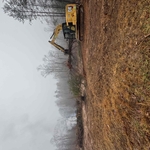
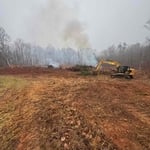
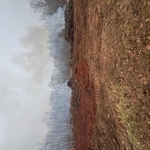
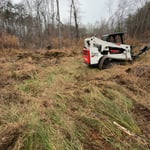
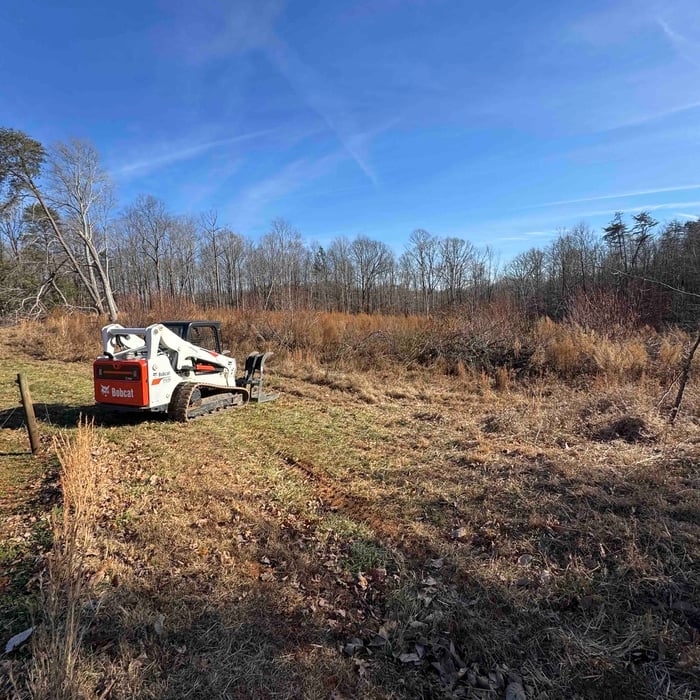
Pasture extension
Pasture extension
Pasture extension
Pasture extension
Pasture extension

+1

3 neighbors recently requested a quote
...
Showing 1-10 of 189
Landscaping questions, answered by experts

It is for the purpose of protecting them from hail because you’ll be removing it soon after the threat is over. However, plastic or vinyl tarps aren’t recommended as a long-term way of protecting your plants from frost because they’ll trap too much moisture inside, which is actually not a good thing for your plants. But in the short term, it’s fine to use even an overturned garbage can to protect a plant from hail.

A scattering of leaves won’t pose a problem through the winter, but a thicker layer of leaves may not decompose before the first frost and can instead weigh down your grass and harbor mold or fungi. A thick layer of leaves also cuts off light and air that grass needs to grow. That’s why we suggest removing thick leaf layers within several days if possible. If your lawn goes dormant over the winter and snow has already caught up with you, then remove the leaves in early spring before your grass-growing season starts so your lawn can thrive.

When planting, it's best to leave several feet between a house and a juniper bush. Many juniper varieties will become quite bushy and require space to grow. Juniper branches that come into contact with siding can damage the home's exterior over time. Also, some juniper bushes have aggressive roots that can put pressure on a home's foundation or basement walls. 

Yes, you can landscape in the rain, but you should take some precautions to keep yourself and your tools safe. Avoid using electric landscaping tools during rainfall, and don’t mow, thatch, aerate, or rake in the rain, as your tools can more easily tear out roots in the loose soil. Be careful when working on wet grass, and take your time to avoid slipping. Avoid putting in new plants before a particularly bad storm, as heavy rain and strong winds can damage or uproot plants that aren’t yet established.

Monkey grass makes a beautiful, low-maintenance ground cover, particularly in shadier areas where other grasses don’t receive enough sunlight to grow. It’s also excellent for edging walkways, bordering flower beds, and accenting rock gardens. You can grow it as a container plant, as well, which is a perfect solution for those who love its foliage but want to contain the spread.

The Callaway, VA homeowners’ guide to landscaping services

From average costs to expert advice, get all the answers you need to get your job done.