



Top-rated excavation pros.

Get matched with top excavation pros in West Haven, UT

Enter your zip and get matched with up to 5 pros

Need a pro for your excavation project in West Haven, UT?

Select your specific project to find the pro for you.

TRUSTED BY WEST HAVEN, UT HOMEOWNERS

  • Average homeowner rating star icon4.8
    Average homeowner rating
  • Verified reviews icon13
    Verified excavation services reviews

Find Excavation pros in West Haven

Avatar for On Grade Construction LLC
On Grade Construction LLC
4.6(
18
)
Excavation - Major Grading or ReslopingLandscape - Minor Grading or ReslopingBuilding Site - Preparation and Clearing

Serving West Haven, UT and surrounding areas

Approved

Super Service Award Winner

In business since 2023

Free estimates

Emergency services offered

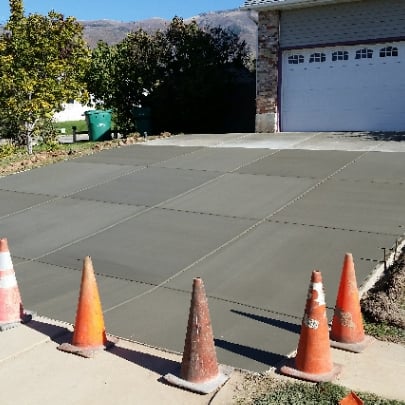
"On Grade put in a new driveway, required by my home insurance. It was a bad time of the year to do it, early March, lots of R & S. On Grade got the job done despite the challenges, they communicated with me every step of the way, and the final result was great."
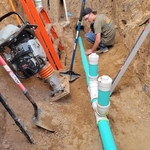
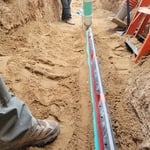
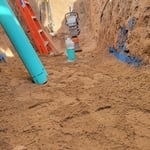
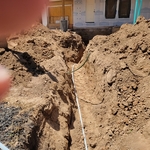
First Lift Placed & Compacted by Hand
Cold Storage Addition
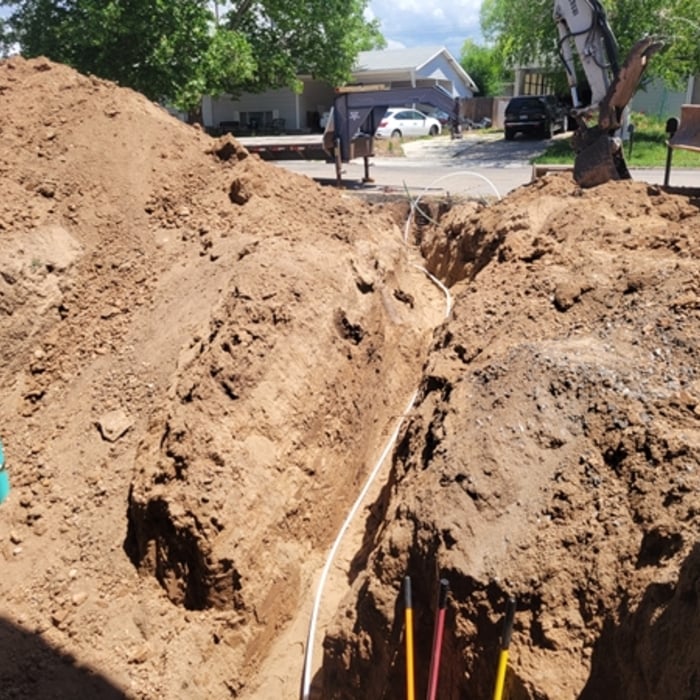
Update Water Line to 1" Pex-A
4' Min Depth out to Meter Vault

+68

Response time6 hrs
Response rate96%
11 neighbors recently requested a quote
Avatar for Huckleberry Lights and Landscape
Huckleberry Lights and Landscape
5.0(
8
)
Landscape - Minor Grading or Resloping

Serving West Haven, UT and surrounding areas

Approved

In business since 2022

Free estimates

Warranties offered

"The installer that did my lights was very professional and did a great job. The quality of work and customer service this company and Louis provides is outstanding."
Front Yard Remodel
Front Yard Remodel
Front Yard Remodel
Front Yard Remodel
Front Yard Remodel

+13

Response time1 day
22 neighbors recently requested a quote

Recommended by71%of homeowners
Dirt rich excavating
New to Angi
Building Site - Preparation and Clearing

Serving West Haven, UT and surrounding areas

Approved

At Dirt Rich Excavating, we take pride in delivering reliable, high-quality earthwork and utility services built on a foundation of integrity, hard work, and precision. We believe in doing the job right the first time, maintaining clear communication with our clients, and showing up with a commitment to safety and professionalism. Our goal is to build lasting relationships through honest work, dependable results, and a reputation you can trust—whether we’re on a small residential project or a large-scale site development.

...
Showing 1-10 of 125
Excavating questions, answered by experts

Yes, trenchers can go through gravel. Gravel is made up of smaller, softer rocks that certain trenchers are able to cut through. Just be sure to use a rock wheel trencher or chain trencher, both of which are made to cut through rocky landscapes and gravel pathways without dulling the teeth or chain.

The best type of soil to build on is a mixture of sand and clay, known as loam soil. Loam soil has the best combination of these soil types to build a foundation on. The clay particles help with water retention, so it won’t erode like sandy soil might, and the sandy particles help with drainage, so you won’t see unsafe soil expansion or have an increased risk of leaks from water sitting against your foundation.

Yes, you can technically make a crawl space liveable, but the only way to do so is by converting it into a basement. While some crawl spaces are big enough to walk through and store large items, they lack appropriate insulation and space to be liveable.

Excavation is priced in cubic yards, so you’ll need to find the volume of the area in order to calculate costs. Multiply the length, width, and proposed depth of your excavation site, then convert it into yards to get the volume. Multiply this figure by the price per cubic yard.

Most homeowners can measure by hand to get a rough estimate, even if it’s tedious. You may want to pull out a tape measure or use a string to help mark the area.

There is no standard depth for burying a septic tank; they are typically buried anywhere from 4 inches to 4 feet underground. The final depth depends on several factors, including the depth of your main sewer line, the height of the bedrock, soil type, local regulations, and the property's landscape. If you plan to grow grass or plants over the tank, a depth of at least 4 to 6 inches is recommended. Deeper tanks can be more difficult to locate, but a septic professional can help find it for you.

The West Haven, UT homeowners’ guide to excavation services

From average costs to expert advice, get all the answers you need to get your job done.