





Top-rated arborists.

Get matched with top arborists in Sugarville, UT

Enter your zip and get matched with up to 5 pros

Need a pro for your arboricultural service project in Sugarville, UT?

Select your specific project to find the pro for you.

Find Arborists in Sugarville

Avatar for TS Tree Service
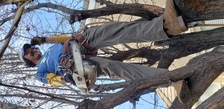
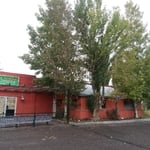
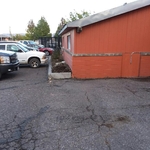
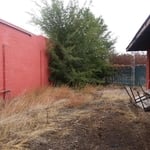
TS Tree Service
4.6(
11
)
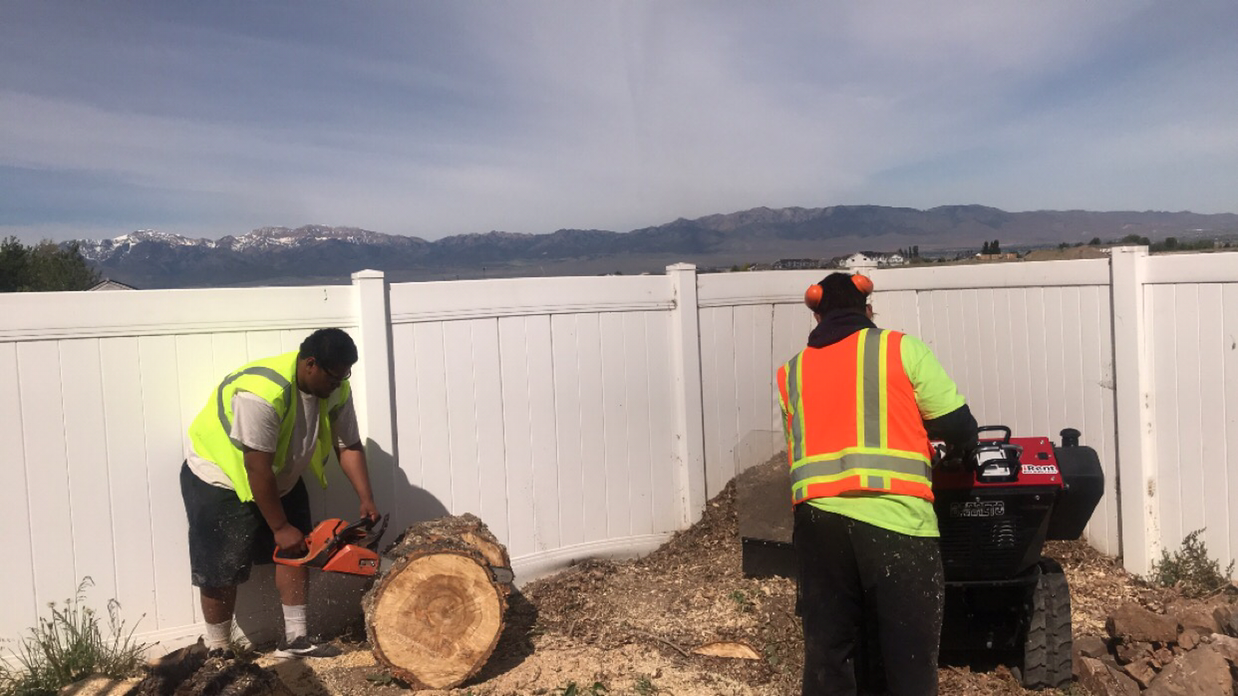
Tree RemovalTree Removal - For BusinessTree Stump - Remove+5 more

Serving Sugarville, UT and surrounding areas

In business since 2012

Free estimates

Emergency services offered

"They did a great job cutting the tree and made it look really nice. I'm not sure if he was just really busy or what but he struggled with getting to the job when he said he would... time management. For someone who is prompt, it was frustrating. But everything eventually got done and it looks great!"
Additional Photos
Additional Photos
Additional Photos
Additional Photos
Additional Photos

+31

Recommended by81%of homeowners
Avatar for Villegas Landscape & Maintenance
Villegas Landscape & Maintenance
4.9(
10
)
Tree RemovalTree Stump - RemoveTree Stump - Remove - For Business

Serving Sugarville, UT and surrounding areas

In business since 2018

Free estimates

Emergency services offered

"They were quick to respond to my initial call and have communicated swiftly since. They do excellent work and make suggestions. They were able to do even more work than we first called them about. I anticipate a long-standing business relationship with Villages."
Response time3 hrs
Recommended by100%of homeowners
Avatar for Scottys Custom Construction llc
Scottys Custom Construction llc
5.0(
1
)
Tree RemovalTree Removal - For BusinessTree Trimming+1 more

Serving Sugarville, UT and surrounding areas

In business since 2002

Free estimates

Warranties offered

"Excellent worker. Fast and accurate. Almost too much of a perfectionist. He wants things done right. Very detailed oriented and very easy to work with. He built my whole garage from pouring the concrete floor and side walls to the framing and installing of the trusses. He shingled the roof and put wood siding on the outside. He put up all the sheetrock and installation. Installed all the doors and did nice casing frame work on all the doors inside and out. Nice work. Highly recommend!"
Response time2 hrs
Recommended by100%of homeowners
Showing 1-10 of 14
Arborists questions, answered by experts

Trees don’t usually grow back after being cut down. Some particularly robust tree species may start sending up new stems from a stump to recover, but those stems won’t become a “tree” like before. Generally, trees don’t recover from being entirely cut down, which is why it’s important to be careful when making a decision. When you cut down a tree, it’s a good idea to make plans to remove the stump, even if it’s unlikely to grow back.

You’ll have to balance up the cost, the value of the tree (sentimental or otherwise), and the risk factors. An experienced arborist will help you understand whether transplanting is likely to be successful. The cost and hassle of transplanting a large, well-established tree are often not worth it, especially if the species is fast-growing and easy to source. The decision depends on the age and species of the tree, the conditions in the new site location, and how careful the company is when digging out and moving the tree.

For safety reasons, leaning trees are best removed by a professional, as they may often tear away from the hinge, causing you to lose control over where the tree falls. If you choose to cut down a tree leaning slightly, avoid cutting off root protrusions before you start. Make your hinge a little longer than usual by cutting it deeper (up to 30% of the diameter) and applying a wedge into the felling cut on the side the tree is leaning. Stand away from the direction the tree leans while making your felling cut.

The felling notch you make before you make the final cut will determine which way the tree will fall. The cut will be in a wedge or triangle, and the tree will fall from the highest point of the triangle. You can use this, as well as the process described above, to estimate where a tree will fall. 

Most plum trees are pruned into a vase or open wine glass shape. They’ll have a shorter central leader (the trunk) that supports three to four main branches. Of course, this isn't always the case. If you have a European plum tree, you can grow it in a pyramid shape. Let the central leader extend the length of the tree and prune smaller branches to create the pyramid.

The Sugarville, UT homeowners’ guide to arboricultural services

From average costs to expert advice, get all the answers you need to get your job done.