


Top-rated asbestos removal specialists.

Get matched with top asbestos removal specialists in Santaquin, UT

Enter your zip and get matched with up to 5 pros

Need a pro for your asbestos abatement project in Santaquin, UT?

Select your specific project to find the pro for you.

Find Asbestos removal specialists in Santaquin

Avatar for Disaster Doctors
Disaster Doctors
5.0(
20
)
Asbestos - AbatementAsbestos - TestingAsbestos Siding - Repair

Serving Santaquin, UT and surrounding areas

In business since 2014

Emergency services offered

Credit card accepted

"Very knowledgeable and professional. We had a concern and they came out immediately. They were able to explain the situation and assuage our fears (thankfully everything was just fine with our home and there wasn't any damage). They didn't even charge for the consultation."
Recommended by100%of homeowners
That Asbestos Guy Environmental, LLC
5.0(
6
)
Asbestos - Testing

Serving Santaquin, UT and surrounding areas

In business since 2010

Free estimates

Emergency services offered

"I called the Guy to inspect my place for Mold. I got an immediate response setting up an appointment for the next day. The Guy promptly showed up for our appointment, then went to work inspecting and analyzing the situation and what needed to be done. The Guy, is very competent, thorough and gets right to the issues with his professional work. I am very satisfied with the Guy's analysis inspection and results. I would recommend the Guy, for any type of work in his area of expertise to anyone with a similar question of Mold etc."
Recommended by100%of homeowners
Asbestos Removal questions, answered by experts

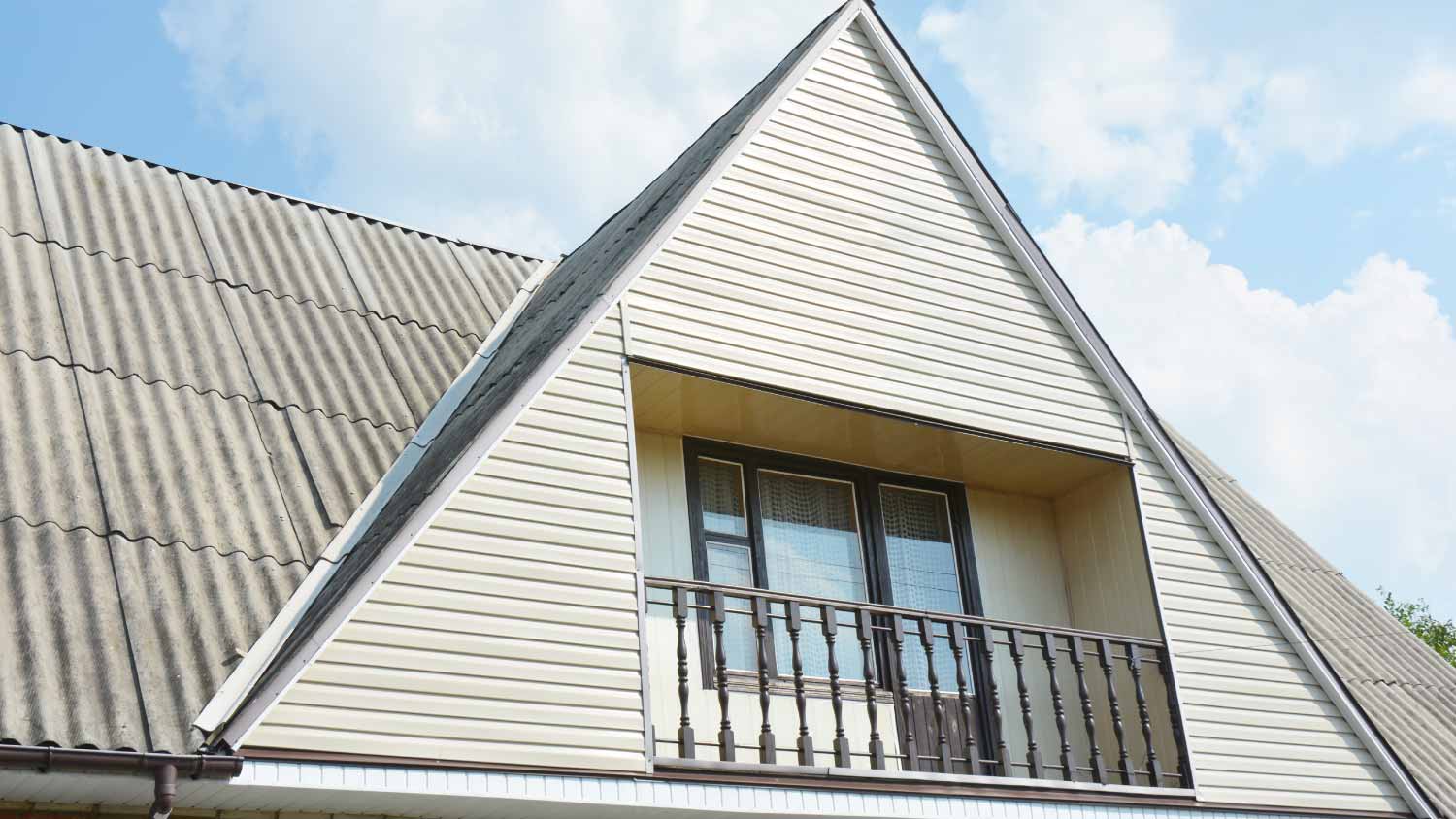
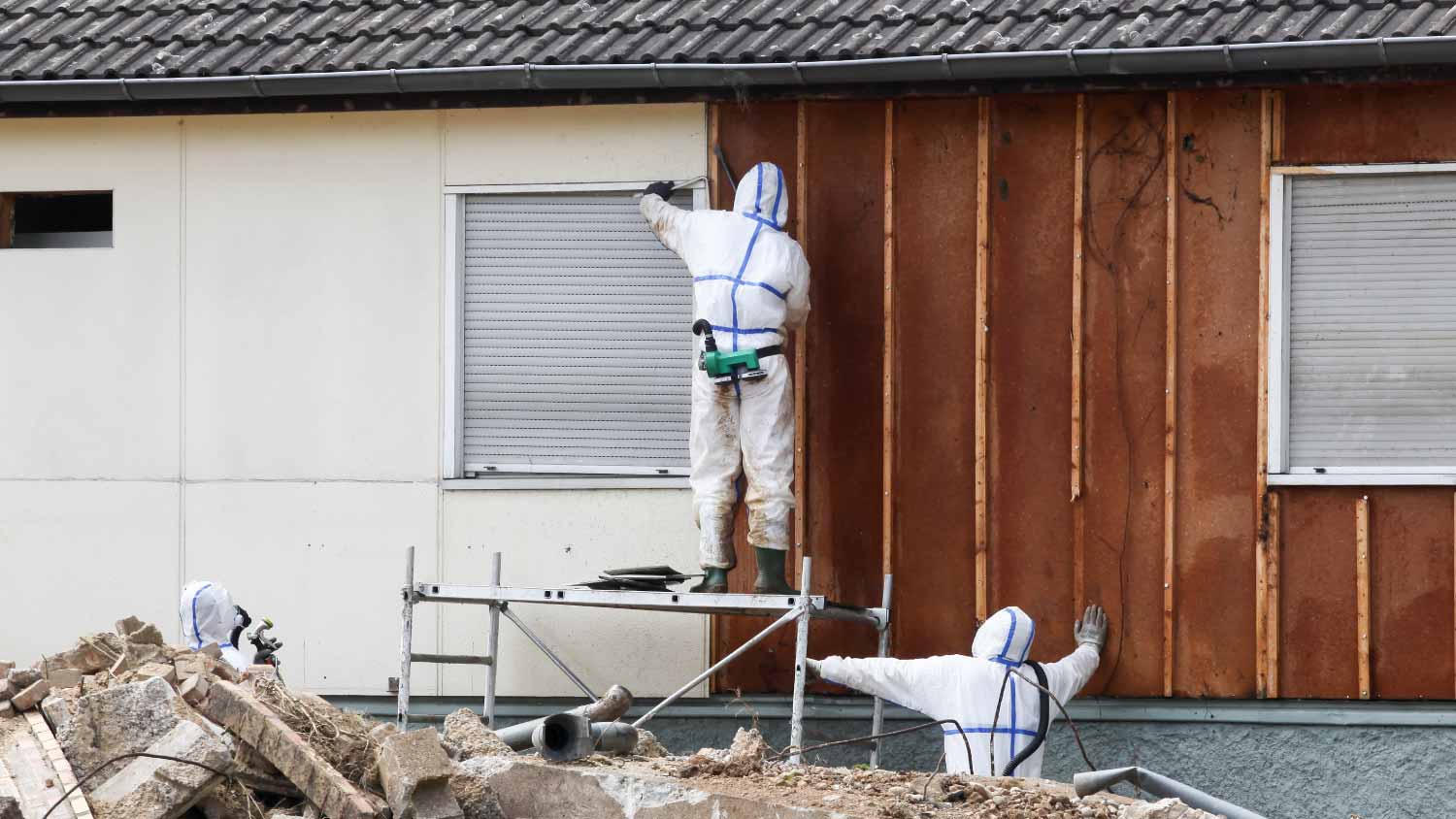
Asbestos siding can be dangerous, but it doesn't necessarily pose a health risk if it's in good condition and left undisturbed. The danger comes from inhaling asbestos fibers, which can be released if the siding is damaged, deteriorating, crumbling, or disturbed during remodeling or repairs. Exposure to these airborne fibers can cause serious, life-threatening diseases like asbestosis (lung scarring), mesothelioma (an aggressive cancer), and other lung cancers.

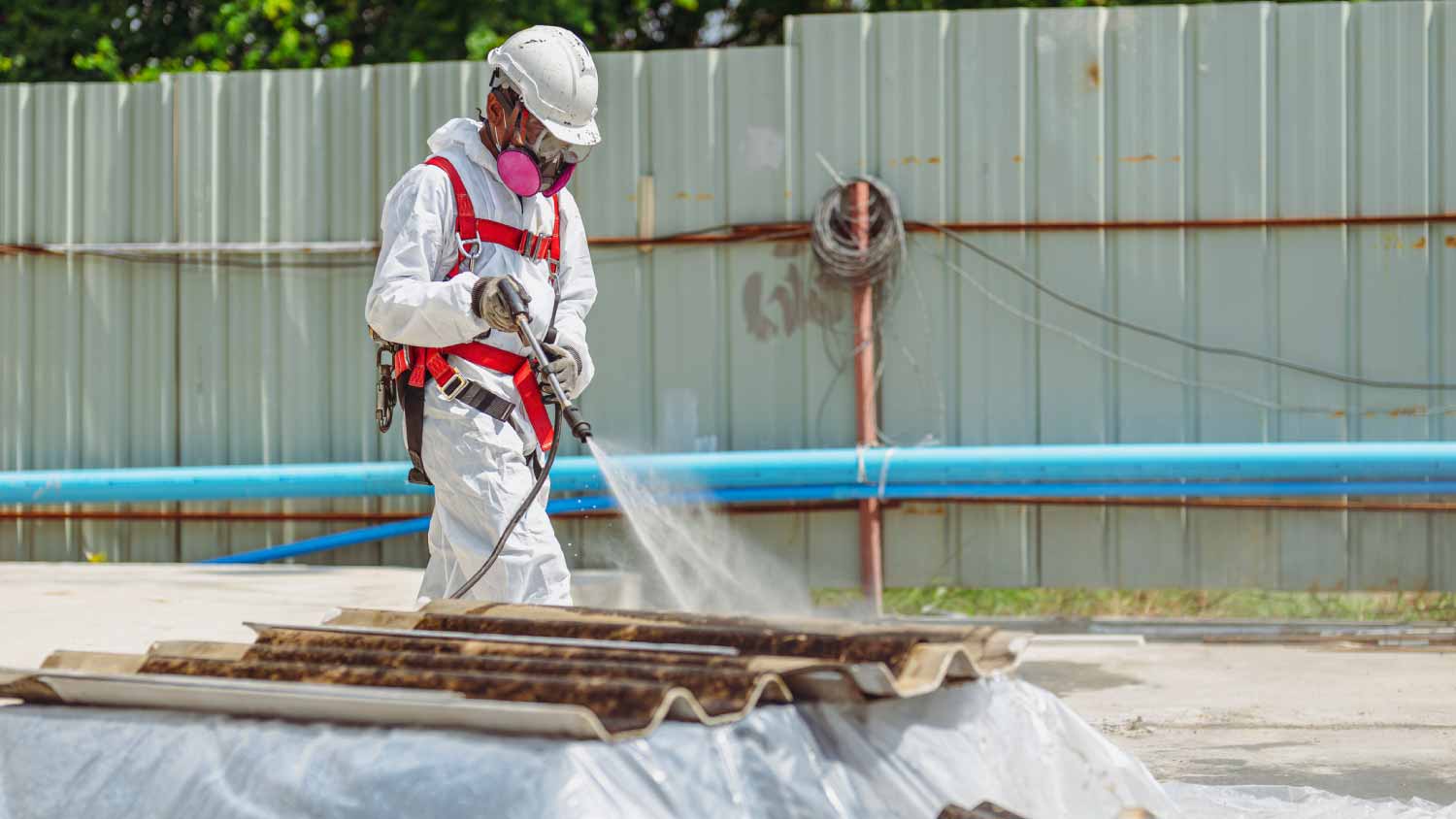
If your asbestos siding is intact, the general recommendation is to leave it alone. However, if it's damaged or you plan to renovate, it's crucial to handle it safely. Due to the significant health risks and the difficulty of containing the fibers, it is not recommended to perform any asbestos work yourself. Instead, you should hire a professional asbestos removal company to inspect, repair, encapsulate, or remove the material. The presence of asbestos can also negatively impact your property's value.

Currently, there is no federal licensing mandate for asbestos removal contractors. However, certain cities and states require certification and specialized training. For example, in New York, those handling asbestos must receive an Asbestos Handler Certification. The mandates dictating the necessary training or certifications vary based on state and local laws.

Duration varies, commonly from a few days to a week, based on building assessment.

It can be safe to live in a house with asbestos as long as the asbestos-containing materials are intact, in good condition, and not disturbed. Asbestos becomes dangerous only when its fibers are released into the air, which happens if the material is damaged, crumbling, or disturbed during renovation work. If you suspect asbestos is present, do not disturb it. Instead of removal, materials in good condition can sometimes be encapsulated. It is recommended to have regular professional inspections to monitor the condition of the asbestos and prevent health risks from potential exposure.

According to the Environmental Protection Agency (EPA), hazardous waste is generally classified into four main categories:

1. Characteristic Wastes: These exhibit at least one of four hazardous traits: ignitability (flammable, like gasoline), corrosivity (can rust or decompose materials, like car batteries), reactivity (unstable and can explode, like aerosol cans), or toxicity (harmful when ingested, like lead-based paint).

2. Listed Wastes: These are specific wastes from manufacturing and industrial processes that the EPA has officially designated as hazardous. They include byproducts from processes that use solvents, pesticides, and other chemicals.

3. Universal Wastes: These are commonly generated hazardous items that are subject to streamlined regulations. Examples include batteries, pesticides, mercury-containing equipment (e.g., bulbs), and some lamps.

4. Mixed Wastes: This category includes waste that contains both hazardous and radioactive components, making it subject to regulation by both the EPA and the Nuclear Regulatory Commission.

The Santaquin, UT homeowners’ guide to asbestos removal services

From average costs to expert advice, get all the answers you need to get your job done.