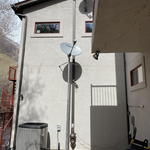
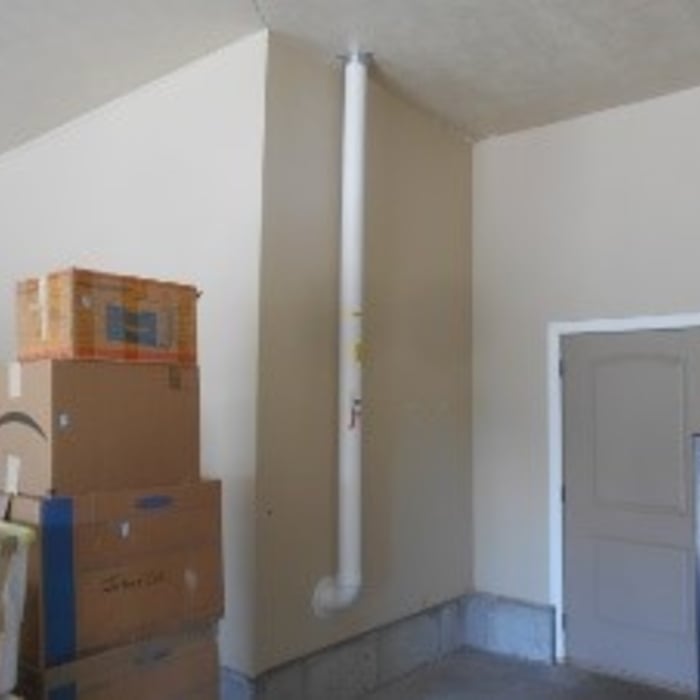
"Product is very good quality. Installation was excellent, everything was explained very well. Price is great and no pressure to up sell anything. I would recommend Radon Be Gone to anyone."
That Asbestos Guy Environmental, LLC is a small air quality firm located in Northern Utah. Randy has been conducting indoor air quality surveys since 1989 and has completed thousands of environmental surveys for asbestos, lead paint and toxic mold. We provide air quality services in Utah, Wyoming, Idaho, and Nevada. Our principal specialty is asbestos, lead paint, radon and toxic mold investigations. We provide services for government entities, private business and homeowners. We have a Nevada Asbestos Consultant on-staff. With a fully-staffed environmental laboratory backing us for mold, lead, radon and asbestos analysis, we can provide results and reports within 24 hours when necessary. Written reports are available within 48 hours.
\n
\n
With over 5 years of experience, Quality is our Goal! We're a locally owned and operated company that values honesty and integrity, and stands behind our work. We specialize in home inspections. Our services are customized to the individual project, paying close attention to the details of each project that we're involved with. We look forward to building long-term relationships with our clients and guarantee your satisfaction! . We also offer Home Energy Audits, Mold Testing, Meth Testing, and Radon Testing.
Radon Detection and Reduction questions, answered by experts
Ideally, no one will live in a house with elevated radon levels, as prolonged exposure increases the risk of serious health issues like lung cancer. However, homes with radon can be made safe through mitigation systems, such as active soil depressurization. Testing for radon regularly and addressing high levels helps ensure a safe living environment.
Radon is present almost everywhere but, like sunlight, the concentration levels and how often you are exposed to it have a large part to play in just how dangerous it is. There are levels of radon that are acceptable inside a house, but above a certain limit, radon becomes a serious radioactive hazard that is a known cause of lung cancer. In fact, radon exposure is the number two leading cause of lung cancer (after smoking).
If high radon levels are detected, steps include sealing entry points, installing a mitigation system, and retesting the air regularly to ensure reduced levels.
Installation typically takes 1-2 days, depending on the system and property layout.
You can vent radon out of your house sometimes by simply opening a window, but it won’t remove the source, and will likely rise above recommended levels quickly. A professional will be needed to assess your home, and determine the best strategy for radon removal. Active radon sump pumps and soil depressurization systems are often used to forcefully vent the radon from your home.
The Santa Clara, UT homeowners’ guide to radon detection and reduction services
From average costs to expert advice, get all the answers you need to get your job done.
Get clear answers on how much radon remediation costs, including average prices, key cost factors, and tips to save money on your home’s radon mitigation.
Find out what impacts radon testing costs, including average prices for DIY kits and professional services, so you can protect your home and budget confidently.
Radon is a gas that you can't see or smell and is harmful to your health. If your home has radon, you need to know who installs radon mitigation systems.
Knowing how to test for radon will keep your home free and safe from this odorless gas—you just have to decide whether to do it yourself or hire a pro.