



If lead is detected in a property, steps should include arranging for professional removal or containment, notifying all occupants, and implementing interim safety measures to reduce exposure.
While not all homes built before 1978 contain lead paint, enough do, so you’ll still want to test to be on the safe side. The federal government banned lead-based paint for homes in 1978, but your state may have banned lead before that time. Around 24% of homes built between 1960 and 1977 contained lead-based paint, while 87% of homes built before 1940 contained lead-based paint.
The safest way to remove lead-based paint is by letting a professional take over. For most people, lead paint removal costs an average of $3,400. You should never attempt to dry sand old lead-based paint surfaces by hand. Most professionals use a paint stripper to do the job followed by wet scraping, but if you don’t want to remove lead paint, another option is to paint over it. Only consider this option if the old lead paint finish isn’t flaking or cracked.
If the lead paint is in a place that is not easily disturbed and is not flaking or deteriorating, you do not necessarily need to remove it. Lead is toxic when dust particles or flakes from peeling lead paint are ingested. If people are not in the area with the lead paint, it may be safe to leave it in place. You still may want to consider encapsulation with a paint formulated for covering lead-based paint, just for an added layer of protection.
The best way to remove lead paint is by wet hand sanding and removing all dust and residue with a HEPA vacuum. Professionals may also strip and scrape lead-based paint with a paint scraper. In some cases, you may choose to have a pro encapsulate or enclose your lead-based paint surface by covering it with a sealant or a new material. You may also choose to replace the material altogether.
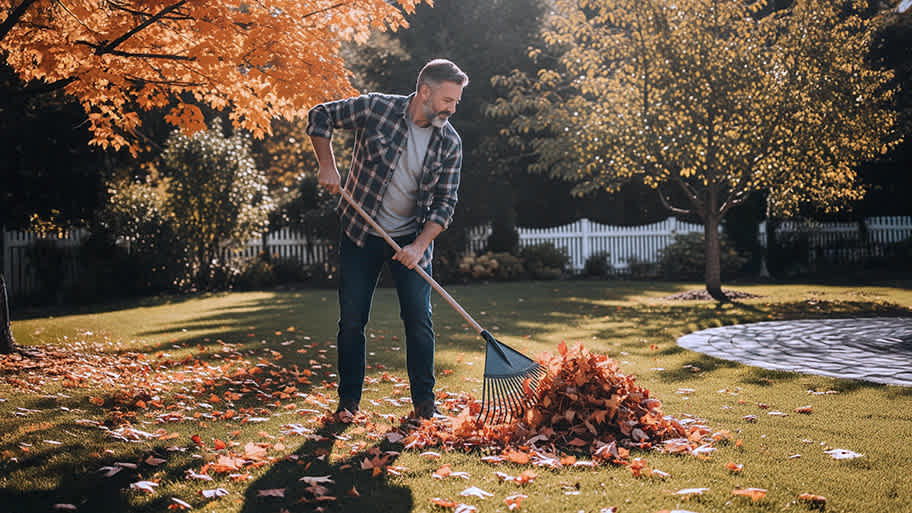
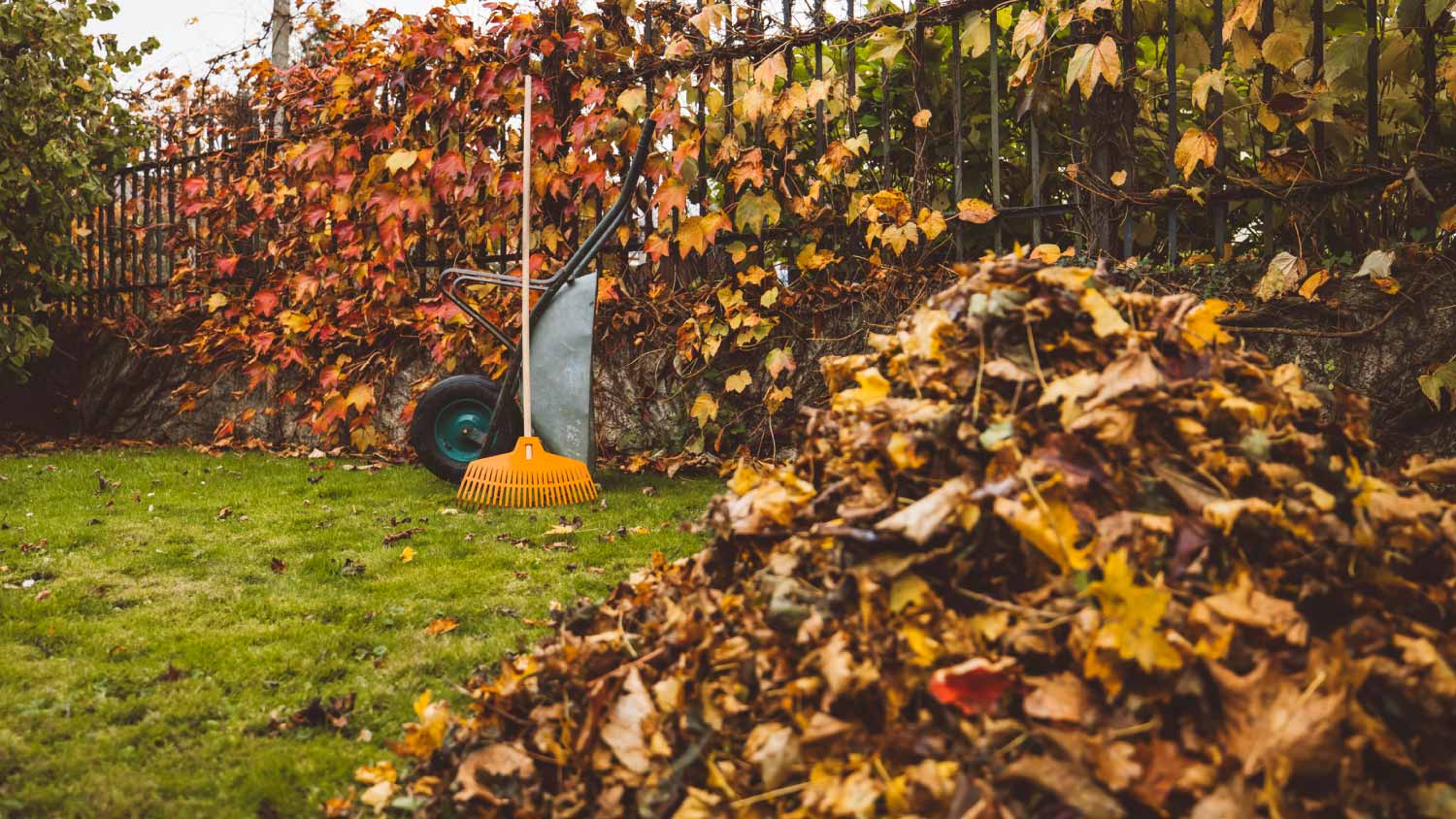
The Roosevelt, UT homeowners’ guide to leaf removal services
From average costs to expert advice, get all the answers you need to get your job done.