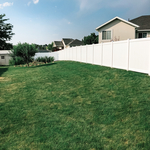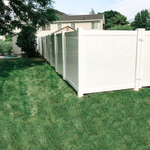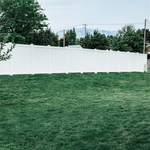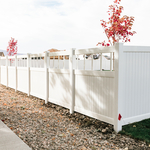





High & Tight Fencing, LLC is committed to excellence in every aspect of our business. We uphold a standard of integrity bound by fairness, honesty, and personal responsibility. Our distinction is the quality of service we bring to our customers. Accurate knowledge of our trade, combined with ability is what makes us true professionals. Above all, we are watchful of our customers' interests, and make their concerns the basis of our business.
"They really took the time to make sure it was the best it could possibly be considering the difficult terrain they had to work with. They did an awesome job and were an absolute pleasure to work with."
"They got the job done! They came out to my house and got my sprinklers fixed. The guys that came were very nice and friendly and made sure they did the job to my satisfaction. I would hire them again."
"I only use James when I need some work done to my house. He responds fast, gets the work done quicker than just about anyone else I've ever used and seems very concerned with leaving his customers happy."
For a chain link fence, the ideal distance between fence posts is 6 to 10 feet apart. Measure carefully to ensure even spacing, and resist the temptation to extend the distance more than 10 feet. Doing so could impact the stability of your fence.
A silt fence should be buried in a trench that is 6 to 12 inches deep. A depth of at least 6 to 8 inches is necessary to prevent water and sediment from running underneath the fence. A deeper trench, up to 12 inches, provides better anchoring during wet and windy weather. To ensure proper installation, look for a red line on the silt fence fabric, which often indicates the correct burial depth. Always adhere to local guidelines and regulations; a professional contractor will be familiar with these requirements.
You can use pressure-treated wood for a horizontal fence, but you’ll need to purchase a thicker and higher-quality variety to ensure it doesn’t sag or warp after you install it. Use #2 pine grade lumber and boards and thicker dimensional lumber, such as a two-by-six. You’ll also need to use stainless steel or hot-dipped galvanized fasteners, as the chemicals in the treated lumber will cause regular galvanized fasteners to rust.
Regular cleaning, rust-proof coatings, and checking fasteners help prolong the lifespan.
When deciding between fence post foam and concrete, the best choice depends on your specific needs and priorities. Concrete is generally considered stronger and more durable, making it the preferred option for heavy, load-bearing posts. However, expanding foam offers several advantages, such as being more eco-friendly and curing much faster. For smaller fences or those made with lighter materials like vinyl or wire mesh, post foam is a good alternative. While concrete is more affordable, it is also harder to work with and has a longer curing time.
The Newton, UT homeowners’ guide to fencing services
From average costs to expert advice, get all the answers you need to get your job done.
Fence repair costs depend on the extent of damage, your fence's material, and how much of the fence you need to fix. Explore all the price factors in this guide.