"Kimball was responsive and knowledgeable and really seemed to care about doing a good job at a fair price. It was costly but hopefully it will solve any future problems."
"Austin was so good to work with. He explained what needed to be done in a way that was easy to understand. I keep his number on hand for just about anything I need fixed or repaired. I tell all my friends and family about him."
A range hood is an exhaust fan for your kitchen, and several types and styles exist. They are meant to remove grease, moisture, and fumes from your stove. Although some models filter and recirculate the air, the most effective ones remove the air through a duct that’s vented to the outdoors.
Yes, they can assess the size, kitchen layout, and ventilation requirements to make recommendations.
Most residential range hoods have a CFM between 200 and 600. A higher CFM means your range hood is better at removing smoke and odors from your kitchen. The measurement ultimately depends on your stove’s width and heat output as well as the size of your kitchen.
Compared to the average size of a stove and kitchen, 350 CFM would be the minimum recommended rating for the average kitchen. However, selecting a higher CFM range hood would guarantee better ventilation to match your cooking habits, whether they’re minimal or extensive.
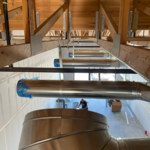
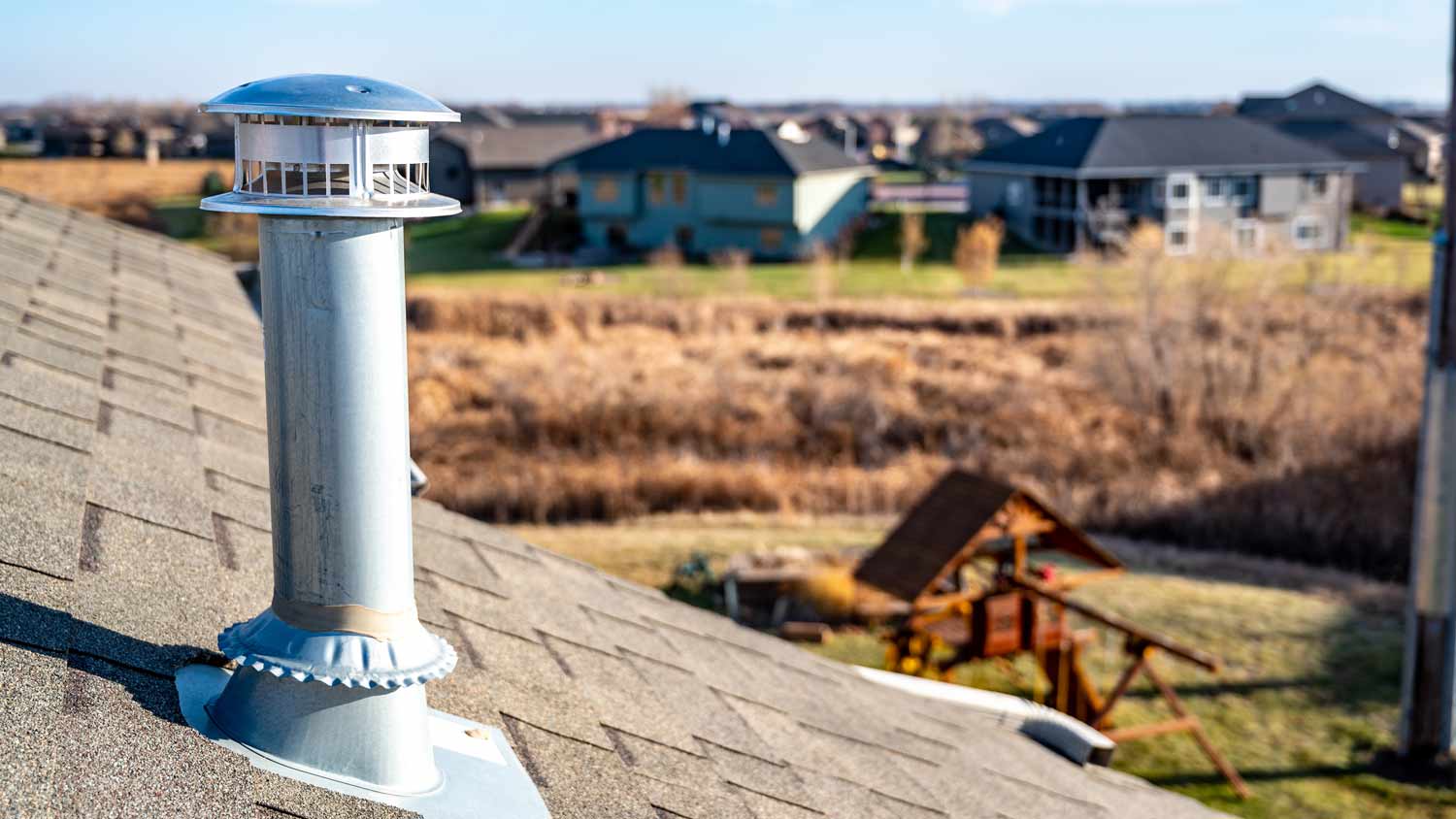
Smooth galvanized metal ducting is best and safest for venting a hood range. It’s best to avoid flexible and corrugated types of ducting, as these options don’t provide ample airflow and may not meet local code. For specific advice on which type of duct might be best for your kitchen, reach out to a range hood installation professional.
Typically 1-2 hours, factoring in ductwork and electrical connections.
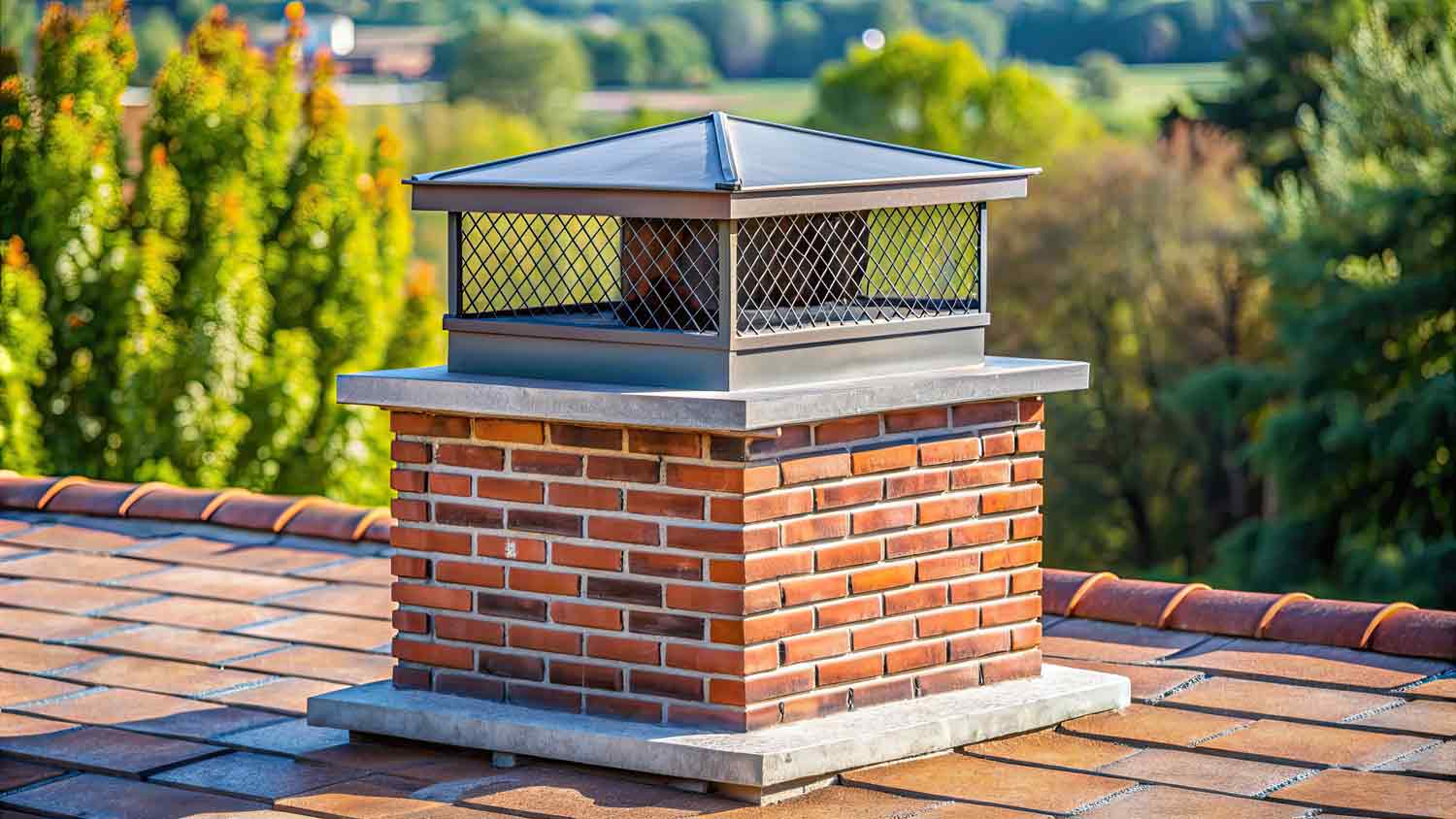
The Manti, UT homeowners’ guide to chimney cap services
From average costs to expert advice, get all the answers you need to get your job done.
If you’re experiencing chimney airflow problems, a new damper may be in order. Use this guide to learn what goes into your chimney damper replacement cost.