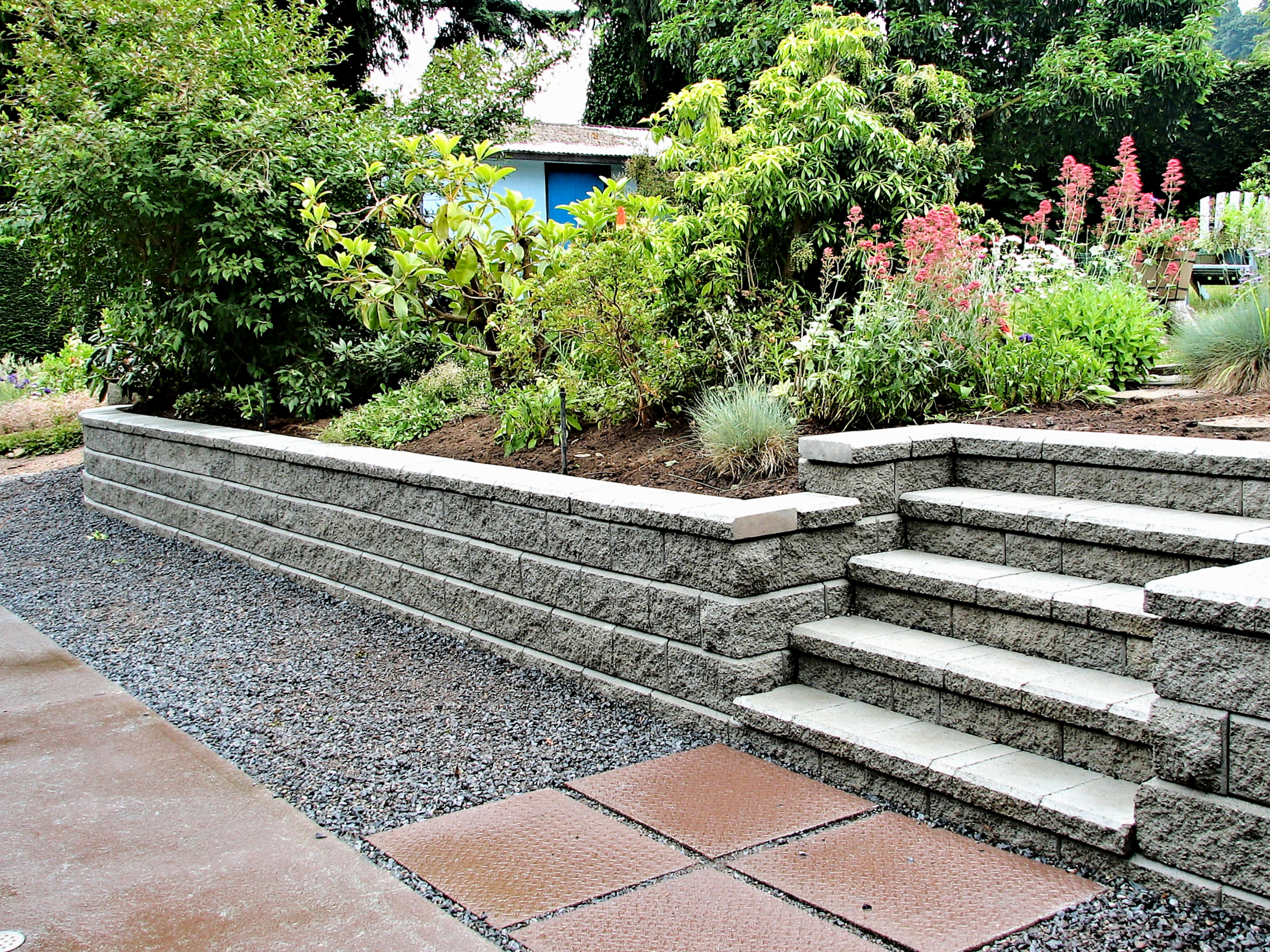





Top-rated retaining wall installation pros.

Best retaining wall installation pros near Hinckley, UT

Enter your zip and get matched with up to 5 pros

Need a pro for your retaining wall installation project in Hinckley, UT?

Select your specific project to find the pro for you.

Top-Rated Retaining wall installation pros in Hinckley - Updated Nov 2026

Avatar for Blackrock Pro Concrete, LLC
Blackrock Pro Concrete, LLC
New to Angi
Retaining Wall - Install

Serving Hinckley, UT and surrounding areas

In business since 2022

Free estimates

Offers commercial services

Welcome to Blackrock Pro Concrete LLC. We have over 10 years of experience in the concrete industry. We take pride in the work we do and we treat every project as if it was our own. Give us a call today to discuss your concrete needs, and for your free estimate!

Response time2 days
Retaining Wall Installers FAQs, answered by experts

Generally, a railroad tie retaining wall consisting of a single line of ties should be between 3 and 4 feet tall—and the height often tops out at around 6 feet. You can go taller, but you may need additional footings and reinforcements, including a second layer of railroad ties to support the added weight of the soil it’s holding back.

While vinyl is the least costly material for building a retaining wall, the most cost-effective method is to use wood or concrete blocks for a DIY retaining wall under 2 feet tall. Wood is inexpensive but lasts 20 years or more with care. Concrete can cost a little more but is stronger and will last longer with less maintenance.

Costs range from $5,000 to $15,000, depending on size, material, and design complexity.

If you don’t backfill a retaining wall—either at all or adequately enough—the wall won’t drain well, and water will be able to pass through it. Poor drainage will lead to a warped wall or a buildup of hydrostatic pressure, which can eventually collapse your retaining wall. If you have particularly sloped land, consult a structural engineer to ensure your hardscaping is adding value to your home.

Sand and gravel are two suitable options for filling behind a retaining wall. If you’re building your own retaining wall, you’ll complete this part of the process—known as backfilling—after you finish laying the blocks. Make sure not to skip it—otherwise, you could wind up with drainage issues, which can cause your retaining wall to collapse.

The Hinckley, UT homeowners’ guide to retaining wall installation services

From average costs to expert advice, get all the answers you need to get your job done.