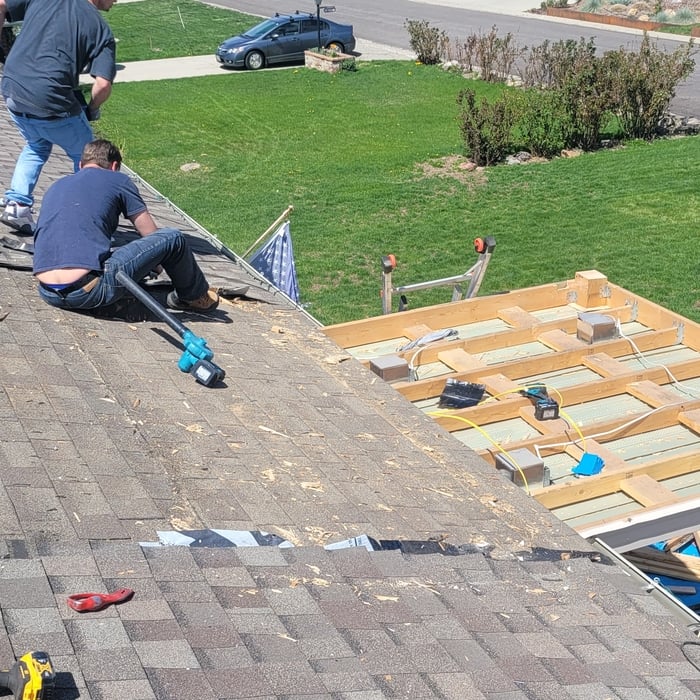
"They have a greatest reputation in vernal they're honest they work hard they get the job done it would have only taken about six to eight days to renail mud and paint the area I had. I went with the cheaper bed and had a mess they've always been kind knowledgeable and do great work."
Hello my name is Mark I have over 30 years experience in construction and home repairs. I am experienced in many areas and also take pride in my finished product! I have built over 150 homes and just want the smaller jobs that the house contractors don’t want.
I’ve been providing quality drywall and home improvement services with a focus on reliable work and attention to detail. My experience includes drywall installation and patchwork, mudding, taping, texture matching, flooring installation, demo work, framing, and baseboard installation. I take pride in showing up on time, keeping job sites clean, and making sure every project is done right the first time. I work hard to give homeowners professional results at a fair price and am available for jobs throughout the area, including travel for the right projects.
We take great pride in our experience, expertise, quality, and customer service that we provide to meet the consumer's needs. It is our mission to provide excellent workmanship and complete customer satisfaction, from the start to the completion of a project. In order to understand the needs and expectations of our customers, we take great care to work and communicate with every customer in a professional manner. Our reputation is based on service, safety, and quality, regardless of how large or small the job.
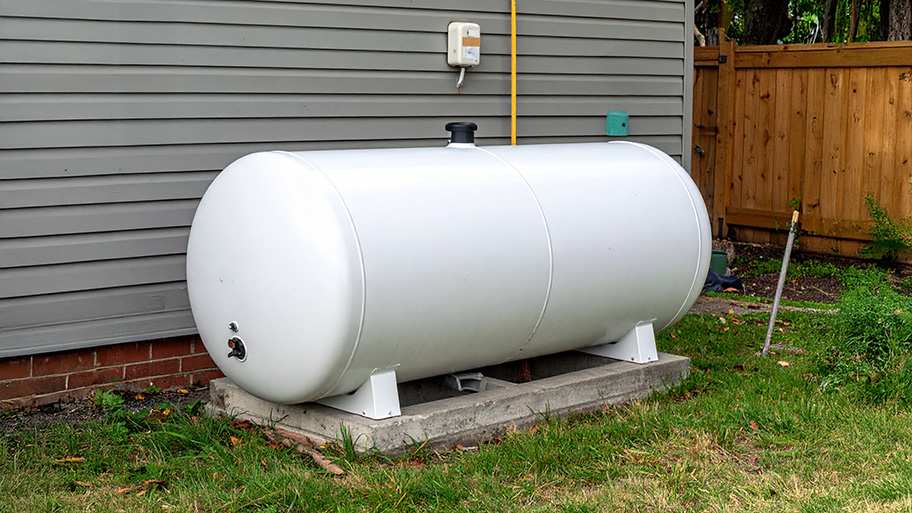
Safety precautions include proper ventilation, regular inspections for leaks, and ensuring tanks and fittings are in good condition to prevent accidental release or fire hazards.
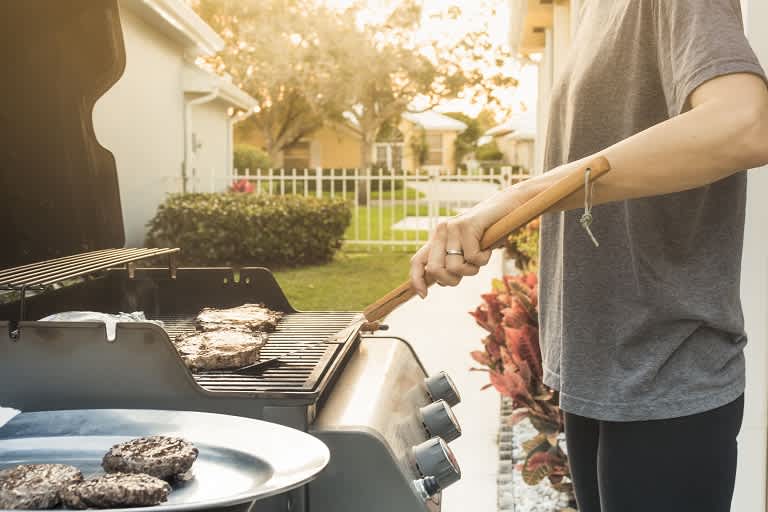
A few potential problems can cause your gas grill to stop working:
Burners aren’t properly aligned.
Food debris is clogging the burners.
Hose connections may be blocked.
Burners may not be getting enough gas.
Gas valve is not working properly.
If you’re experiencing any of those problems with your gas grill, hire a local grill repair professional to inspect your grill for issues and implement a plan to resolve them.
Appliances typically connected to a gas line include gas stoves, water heaters, furnaces, and gas fireplaces. Essentially, any appliance in your home that uses gas needs to be connected to a gas line, which connects your home with the main gas line owned and operated by your gas company.
Propane sales companies typically offer propane delivery, tank installation and maintenance, grilling refills, and emergency support for supply interruptions.
Yes, professional services include proper fuel line connection and ventilation to meet safety codes.
The Green River, UT homeowners’ guide to grill assembly services
From average costs to expert advice, get all the answers you need to get your job done.
Planning a new outdoor cooking space? Learn everything you need to know about gas grill installation costs, setup options, and how to hire a local pro.
Don’t leave your grill behind when moving house. Learn how to move a grill safely so you can enjoy a home-cooked meal on your first night in your new place.