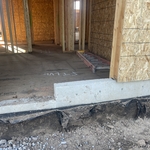
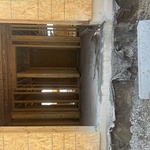
"Chris was excellent to work with! I needed a door way opening cut, he was on top of it the same day I called. The cuts were perfect, he cleaned up any water that spilled inside, he even broke up the concrete and hauled it off for me! Iâ ll be using him for any concrete cutting I need in the future! Iâ d recommend him to anyone needing concrete cut!"
We're a locally owned and operated company with over 31 years of industry experience. We specialize in a variety of home improvement projects to include concrete and masonry work. We pride ourselves on the quality of our work as well as our commitment to outstanding results. We look forward to building lasting relationships with our clients and guarantee your satisfaction!
Sawing your hot tub into more manageable chunks so it can be lifted easily into a truck takes several hours. Generally, 2.5 hours for smaller hot tubs and around 4 hours for larger ones with the help of one to two people. If money isn't a concern and you want to skip the physical labor, you can hire a pro to get the job done.
Your typical household tools will not cut a metal pipe. To cut a metal pipe, you’d need more specialized tools like a pipe cutter or circular saw. Do not attempt to use these tools without taking proper safety precautions and wearing safety gear. It’s usually safer to let a pro cut a metal pipe, especially if you’re not confident in your skills with a heavy-duty saw.
Cutting rectangular ductwork requires careful measurements and the right technique. Use a measuring tape and pencil to mark the cutting lines accurately. Tin snips are excellent for straight cuts on smaller ducts. For more extensive or thicker rectangular ducts, a reciprocating saw with a metal-cutting blade is effective.
Ensure the duct is well-supported and secure while cutting to prevent wobbling and maintain precision. After cutting, use a metal file to smooth any sharp edges, ensuring safety during installation.
Yes, but you’ll need reliable steel-cutting tools and safety gear to get started. Shipping containers are typically around ¾ inch thick, so it’s entirely possible to cut through them, but experience and the right equipment are very important. When possible, try to get a container as close to the size you want it as possible.
This all depends on the tools you have on hand and whether you’re trying to cut a straight line or shapes.
The best tool to use for straight lines is either a circular saw or table saw. When cutting shapes, a jigsaw will be the easiest and most precise tool to use.
The Green River, UT homeowners’ guide to concrete cutting services
From average costs to expert advice, get all the answers you need to get your job done.