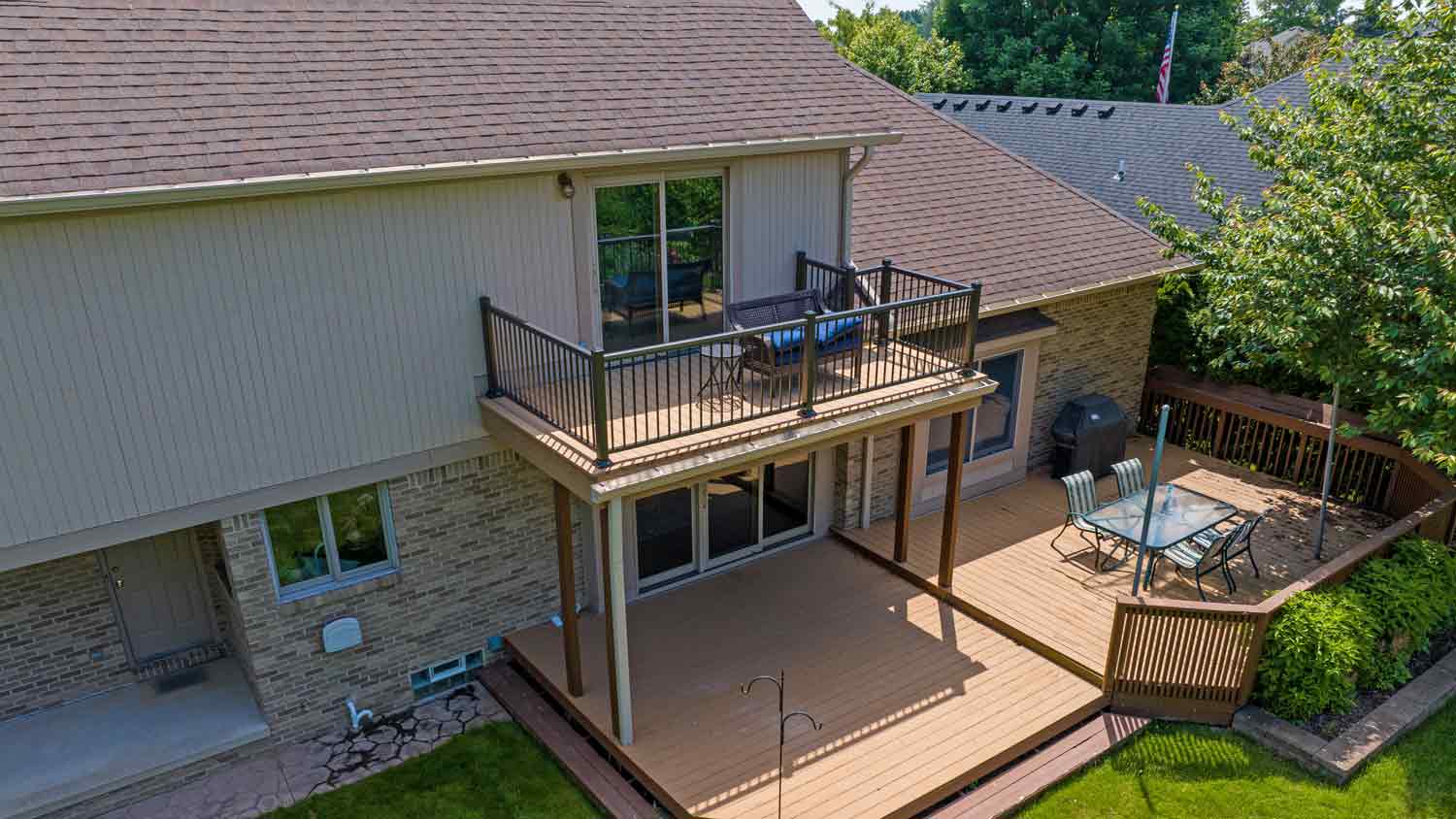
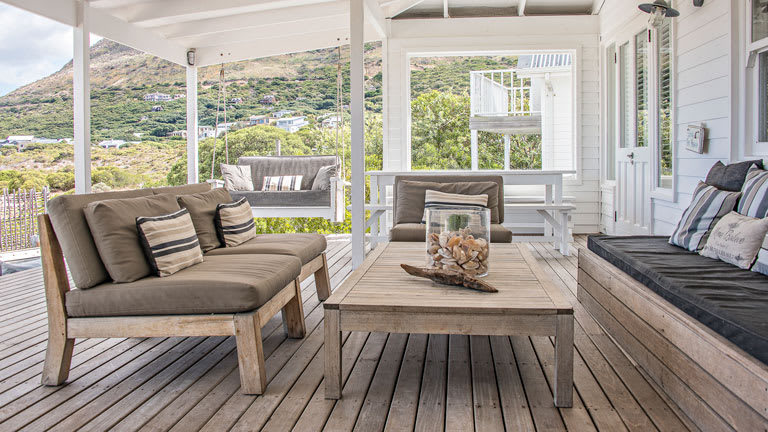
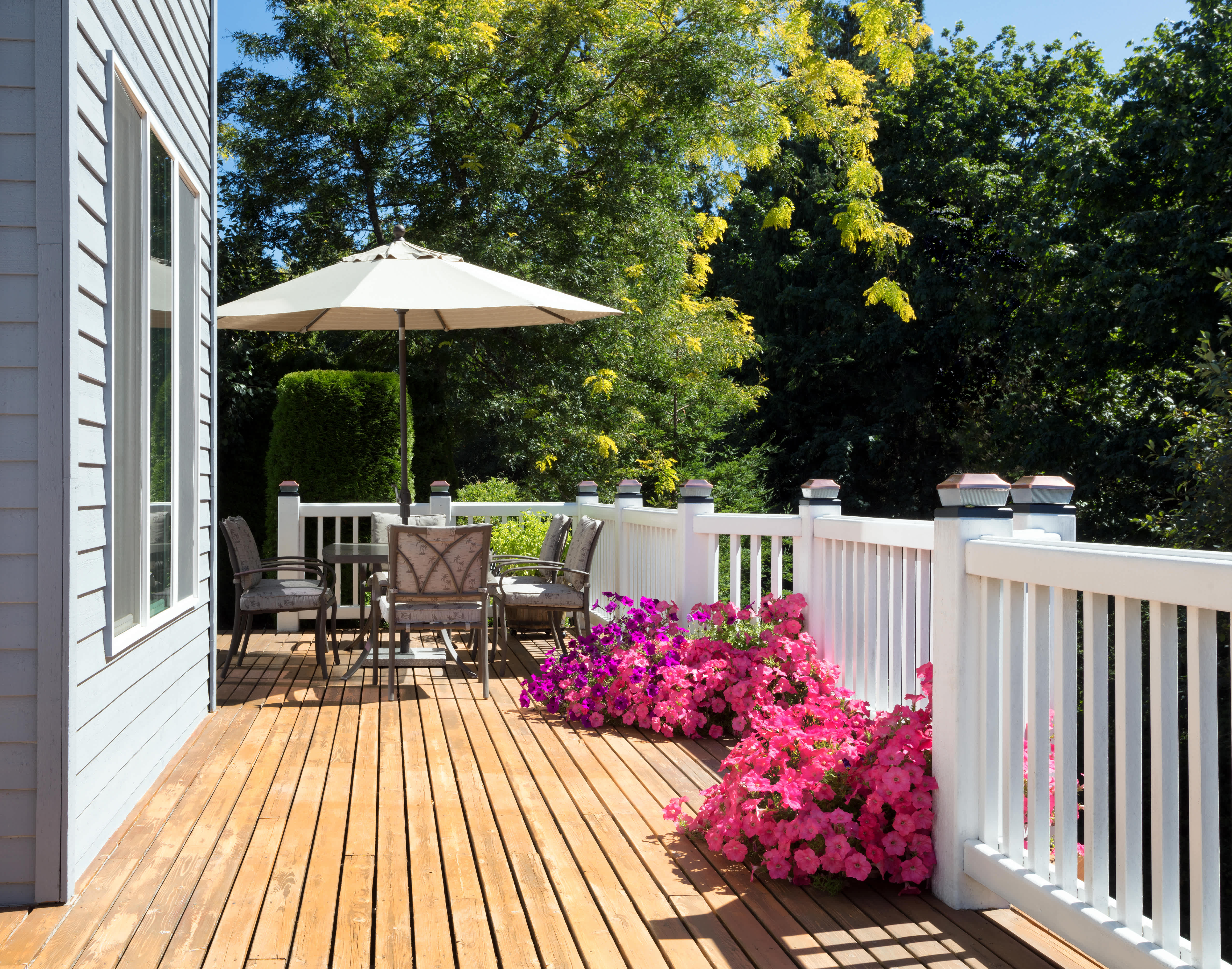
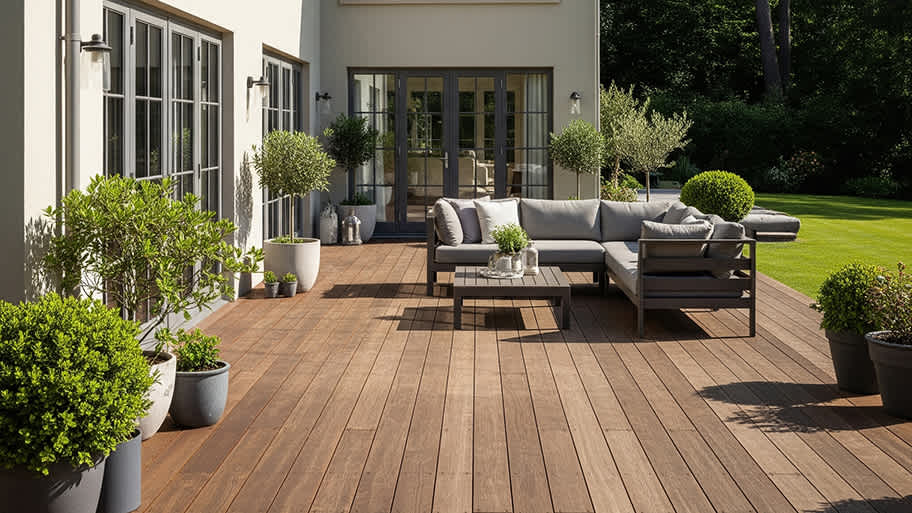
Choosing whether your deck should be lighter or darker than your house is a matter of personal preference, as there is no right or wrong answer. However, considering the pros and cons of each can help guide your decision. Darker colors are often chosen because they show less dirt, footprints, and marks from daily wear, making them easier to keep clean. On the other hand, lighter deck colors tend to stay cooler in the summer. From a design perspective, using a deck color that contrasts with your home's exterior can help make the deck a more defined and distinct feature. Consulting color theory can also make the process of choosing a complementary house and deck color combination easier.
Putting lattice under a deck will create a polished look that allows for air ventilation. You can also store items underneath as the lattice provides privacy and protection from the weather. You can also put lattice under a porch to create a polished look in the front of your house.
In many areas, a floating deck that isn’t connected to your home and stays under 200 square feet and below 30 inches in height may not need a permit. These freestanding structures are often considered low-risk, which can simplify the building process. However, building codes vary greatly based on location. Before investing in any home improvement project, check with your local permitting office for deck-building guidelines.
While experienced DIYers may take on the challenge, hiring a licensed professional is often the best route, especially for larger or elevated structures. A local deck contractor is typically the best pro for the job, as they have specialized experience and are knowledgeable about local building codes, ensuring your deck is built safely and designed to last. Other professionals who can build a deck include general contractors and carpenters, who may be more readily available in some regions.
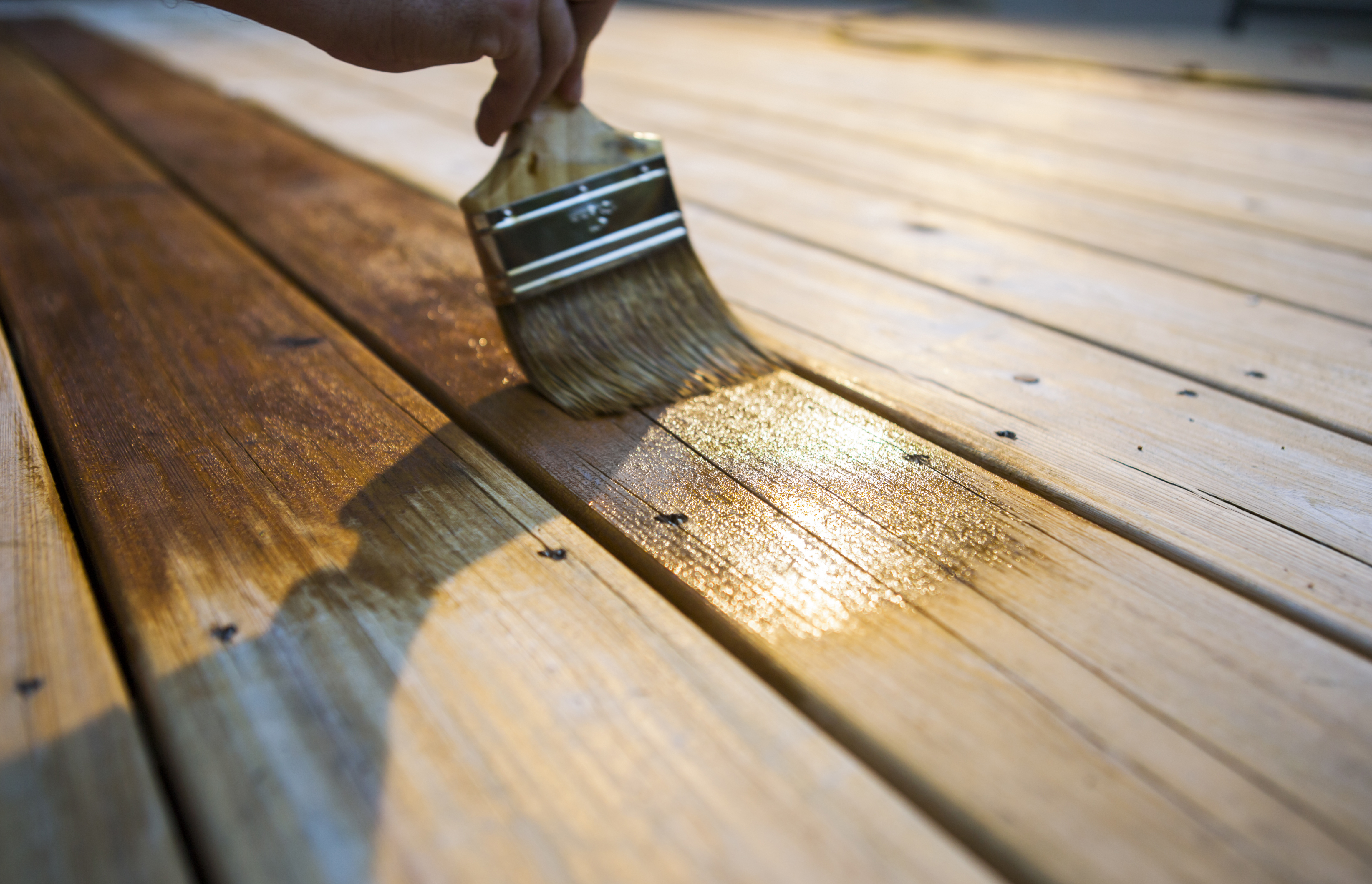
A wood deck requires annual cleaning and regular inspections for loose or broken boards, nails, and screws. It should be refinished by applying a stain or sealer every two to three years to protect the wood from water damage, rot, mildew, and sun fading. The exact frequency can depend on the climate and the deck's exposure to sun and moisture. If your deck is painted, it will need repainting approximately every 10 years. Signs that your deck needs refinishing include faded, splintering, or warping boards.
The East Carbon, UT homeowners’ guide to deck maintenance services
From average costs to expert advice, get all the answers you need to get your job done.
The cost to paint a pool deck depends on the dimensions and material, the type of paint, and whether you DIY. Read on to help determine a project budget.
Discover steel deck framing costs, including material, labor, and installation factors. Learn how to budget and choose the best option for your home project.
Deck maintenance is vital to protecting a wooden deck. Cleaning, staining and sealing a deck after pressure washing will add years to its lifespan. Protect a deck by following these deck maintenance tips for cedar and other types of wood materials.
Finding maintenance-free decking that works for your home, budget, and lifestyle can be challenging. This guide lists the 7 best low-maintenance deck materials.