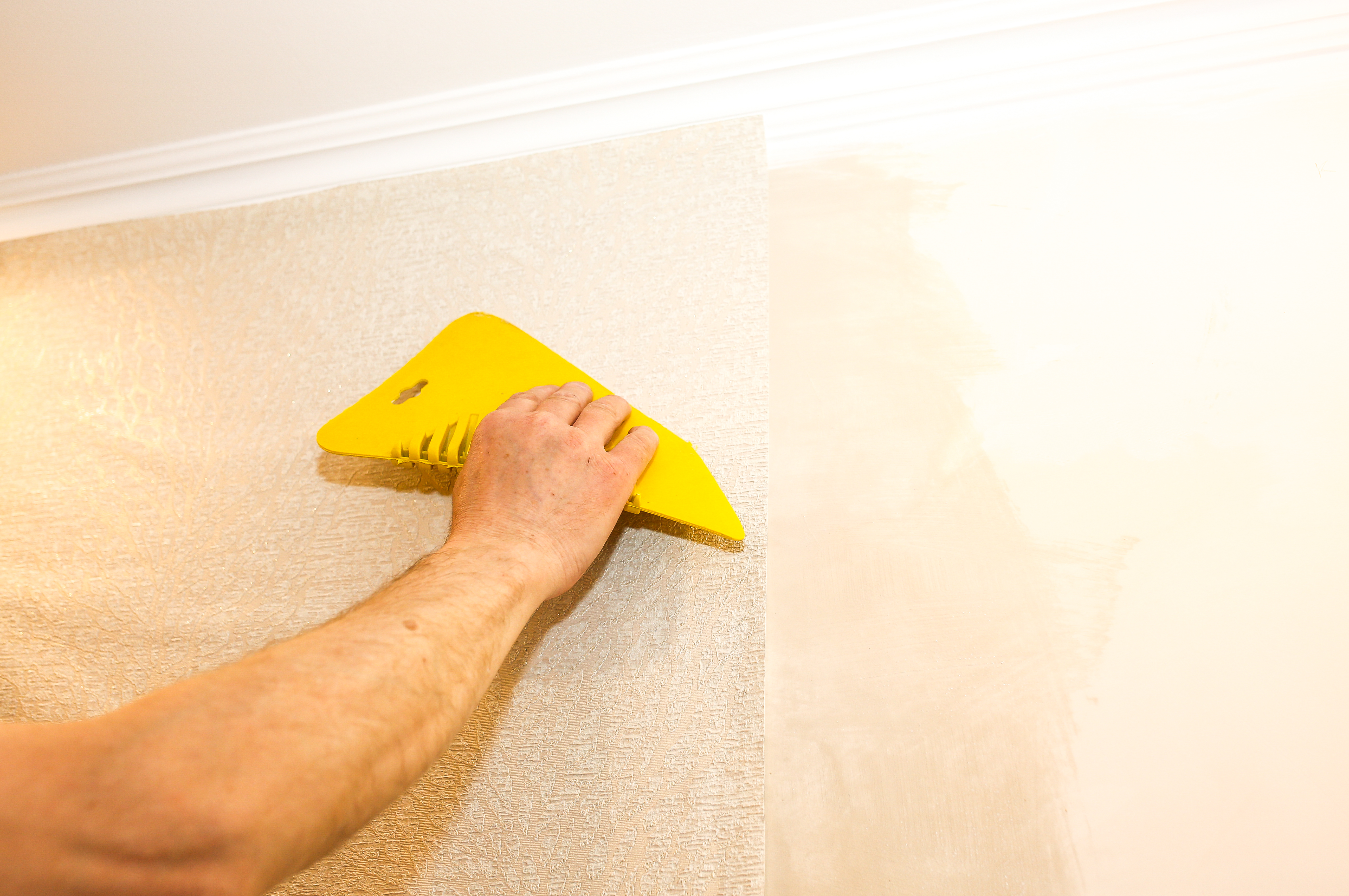
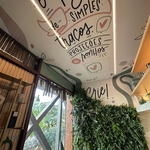
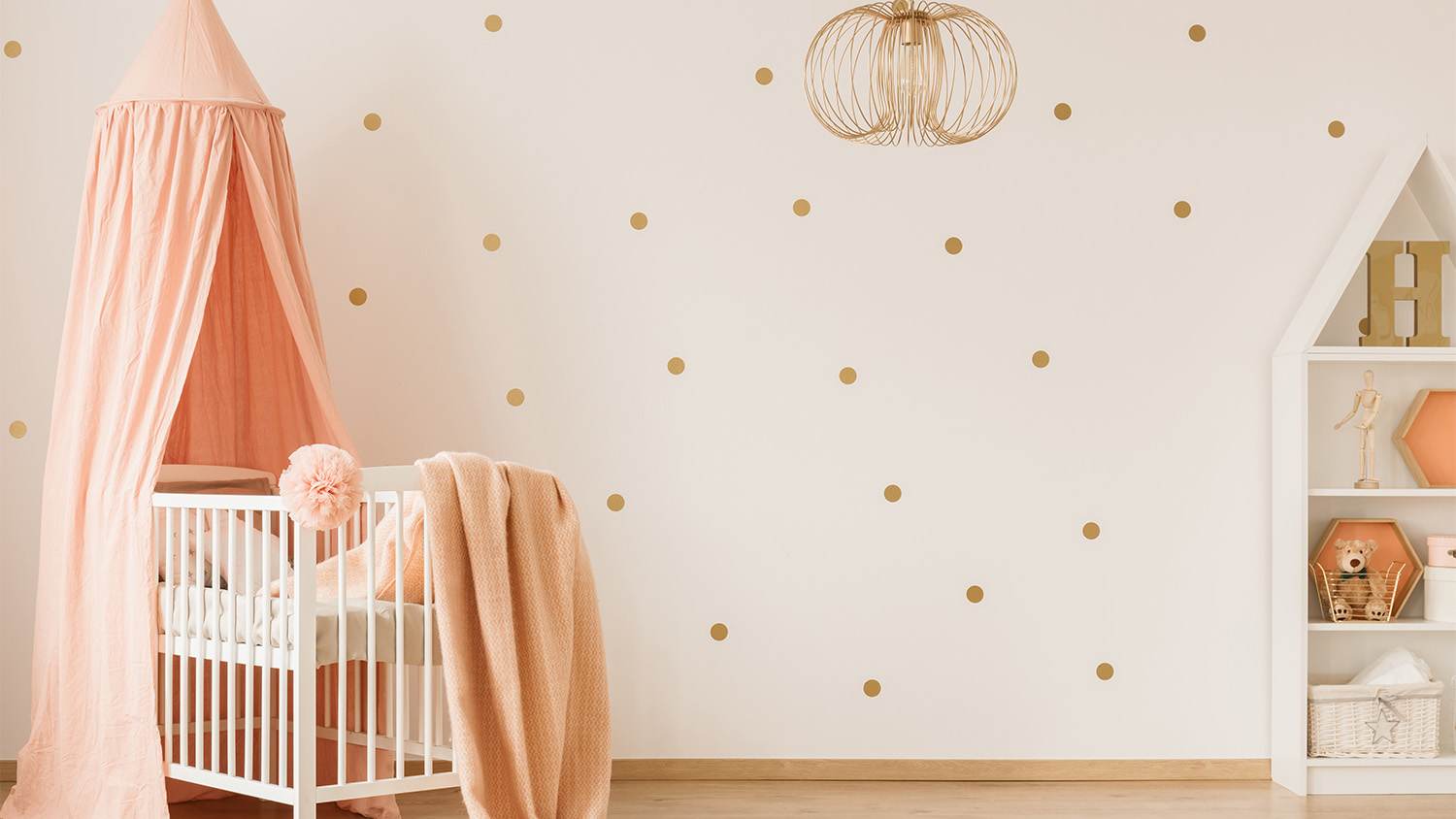
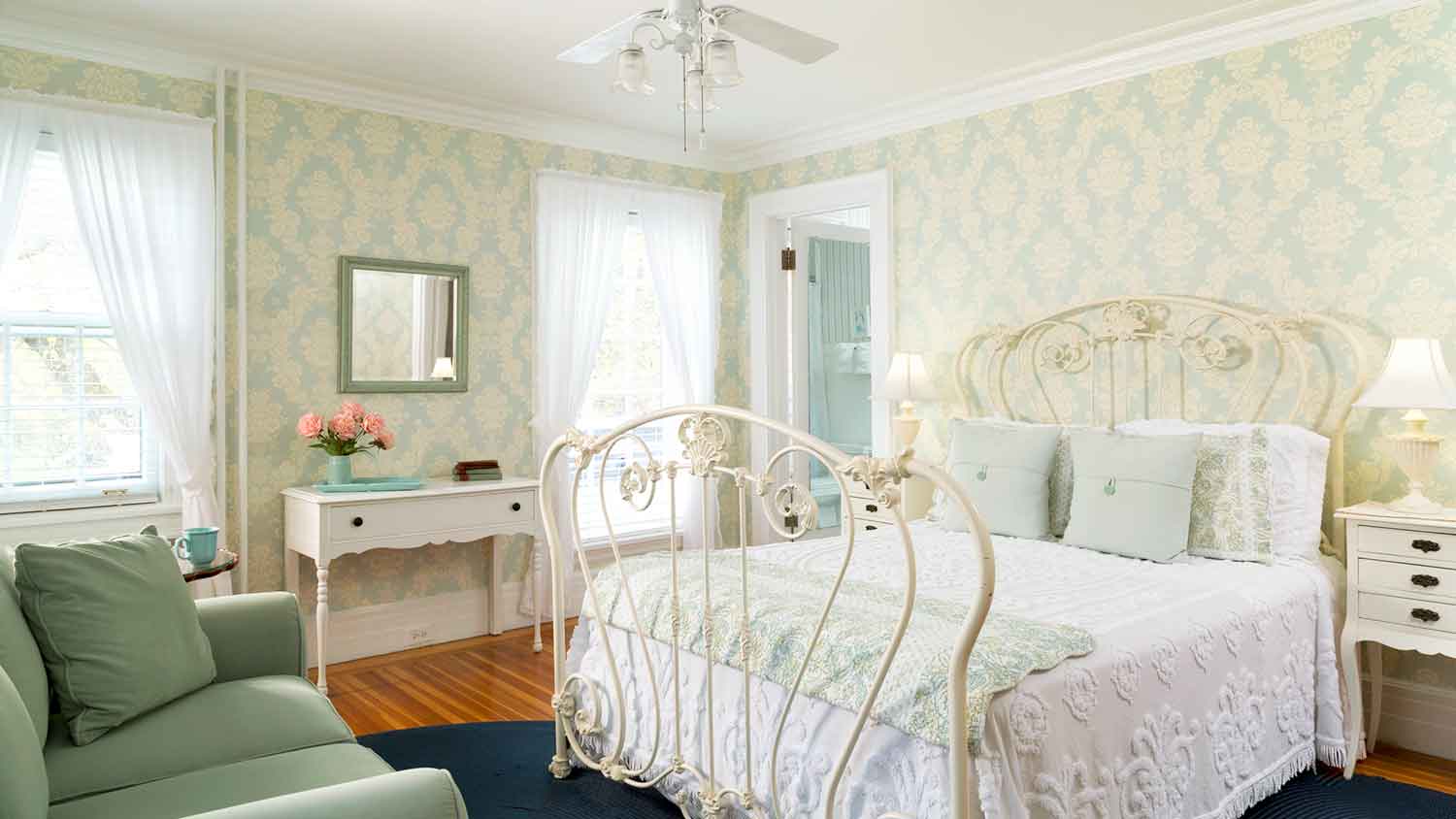
Wasatch Wallpaper, Inc. is a locally owned and operated company that values honesty and integrity in all aspects of our business. Our dedicated team of professionals have over 10 years of hands on experience, to provide innovative ideas and suggestions tailored to your projects. Our services are customized to your individual needs, paying close attention to the details of each project that we are involved with. Please feel free to contact us today!\n
"My house was cleaner than even my best attempt, and thatâ s saying something! She was extremely detailed and got all the corners, spotless stainless steal appliances, dusted our pendant lights, so many little details that I really appreciate :) Usually when I hire cleaners I have to touch up where they missed, this lady missed NOTHING!!"
"He did an outstanding job wallpapering my theater room! Would truxt him to wallpaper an room in my house. Very personable and trustworthy! Would recommend for an wallpaper needs!!"
"Very professional and prompt. Technician arrived on time and performed diagnostic and suggested repair. Very reasonable charges. Would hire him again"
We're a locally owned and operated company that values honesty and integrity and treats your home as if it were our own. Our services are customized to the individual project, paying close attention to the details of each project that we're involved with. We pride ourselves on the quality of our work as well as our commitment to outstanding results. We look forward to building lasting relationships and guaranteeing your satisfaction!
"I only use James when I need some work done to my house. He responds fast, gets the work done quicker than just about anyone else I've ever used and seems very concerned with leaving his customers happy."
No, you don’t always have to remove old wallpaper before applying a new layer. However, you should pull off the existing wallpaper if it’s cracked, peeling, or in poor condition. We’d also recommend against putting wallpaper over textured or dark-colored wallpaper because the old layer may be visible through the new one. In addition, if you try to hang new wallpaper over vinyl-coated wallpaper, the adhesive might not stick properly.
The two most common reasons wallpaper does not stick are a lack of preparation and improper adhesive. Be sure to use the wallpaper paste designed for the type of paper you choose. Before beginning your project, make sure the walls are clean and free of dust, grease, and oils.
One of the biggest downsides to peel-and-stick wallpaper is that it doesn't last as long as traditional wallpaper. Its lifespan depends on several factors, including the quality of the paper, proper wall preparation and application, and the room's conditions. As a general rule, peel-and-stick wallpaper can last for at least five years, but this can vary significantly. Budget products may only last about 3 years, while higher-quality products can stay up for 7 years or more in ideal conditions. Factors that can shorten its lifespan include high humidity (such as in a bathroom), dirty walls, and low-quality paper. If used on flooring, expect it to last only 1 to 3 years unless sealed. However, the shorter lifespan can be seen as a positive, making it a great choice for people who enjoy switching up their interiors more frequently.
No. If you overlap seams, the wallpaper will not come out flat. In addition to possibly throwing off your pattern match between rolls, overlapping seems necessary. If wallpaper is properly acclimated, and temperature and moisture conditions are optimal during installation, there is no reason to fear shrinkage as it dries.
Installation typically takes 1-2 weeks, depending on the wall’s size and site conditions.
The Dugway, UT homeowners’ guide to wallpaper services
From average costs to expert advice, get all the answers you need to get your job done.
Discover wallpaper installation cost. Learn about material, labor, and project factors to estimate your budget and make informed choices for your home.
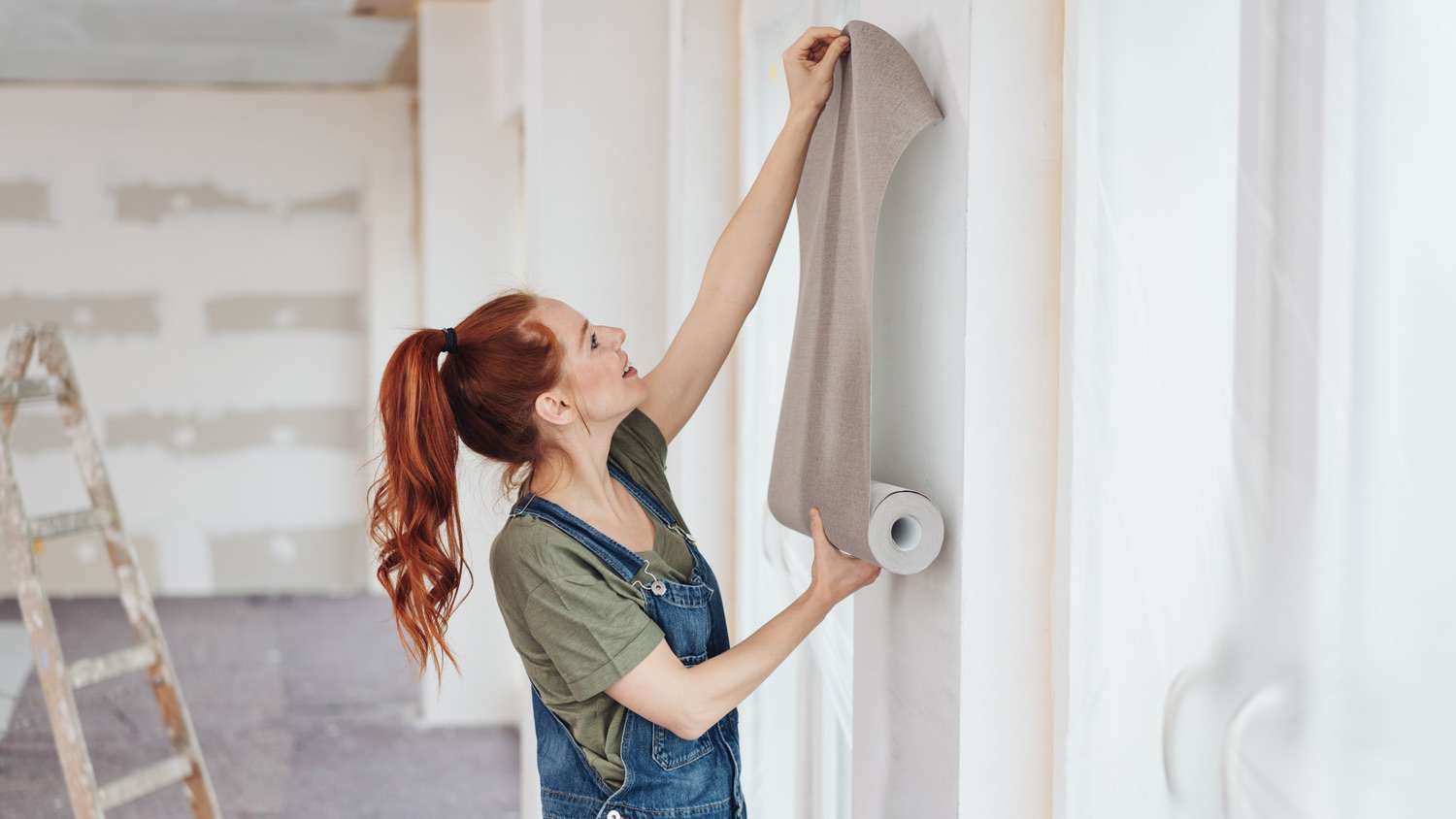
Whether you can put wallpaper over wallpaper depends on the type of paper you’re using and the condition of the existing surface. Learn more with this guide.