"I needed a super specific and custom window installed in my basement. Iâ m extremely impressed with the attention to detail and precision of work completed. Western Environmental made it a seamless process from start to finish. I will be using them again for future projects and highly recommend them to anyone in need of their services."
"I called the Guy to inspect my place for Mold. I got an immediate response setting up an appointment for the next day. The Guy promptly showed up for our appointment, then went to work inspecting and analyzing the situation and what needed to be done. The Guy, is very competent, thorough and gets right to the issues with his professional work. I am very satisfied with the Guy's analysis inspection and results. I would recommend the Guy, for any type of work in his area of expertise to anyone with a similar question of Mold etc."
Lead Testing and Removal questions, answered by experts
Several different measurements may be used to determine the amount of lead in water. The most common unit of measurement is micrograms per liter (µg/L), which is the same as parts per billion. Another measurement is milligrams per liter (mg/L), which is the same as parts per million.
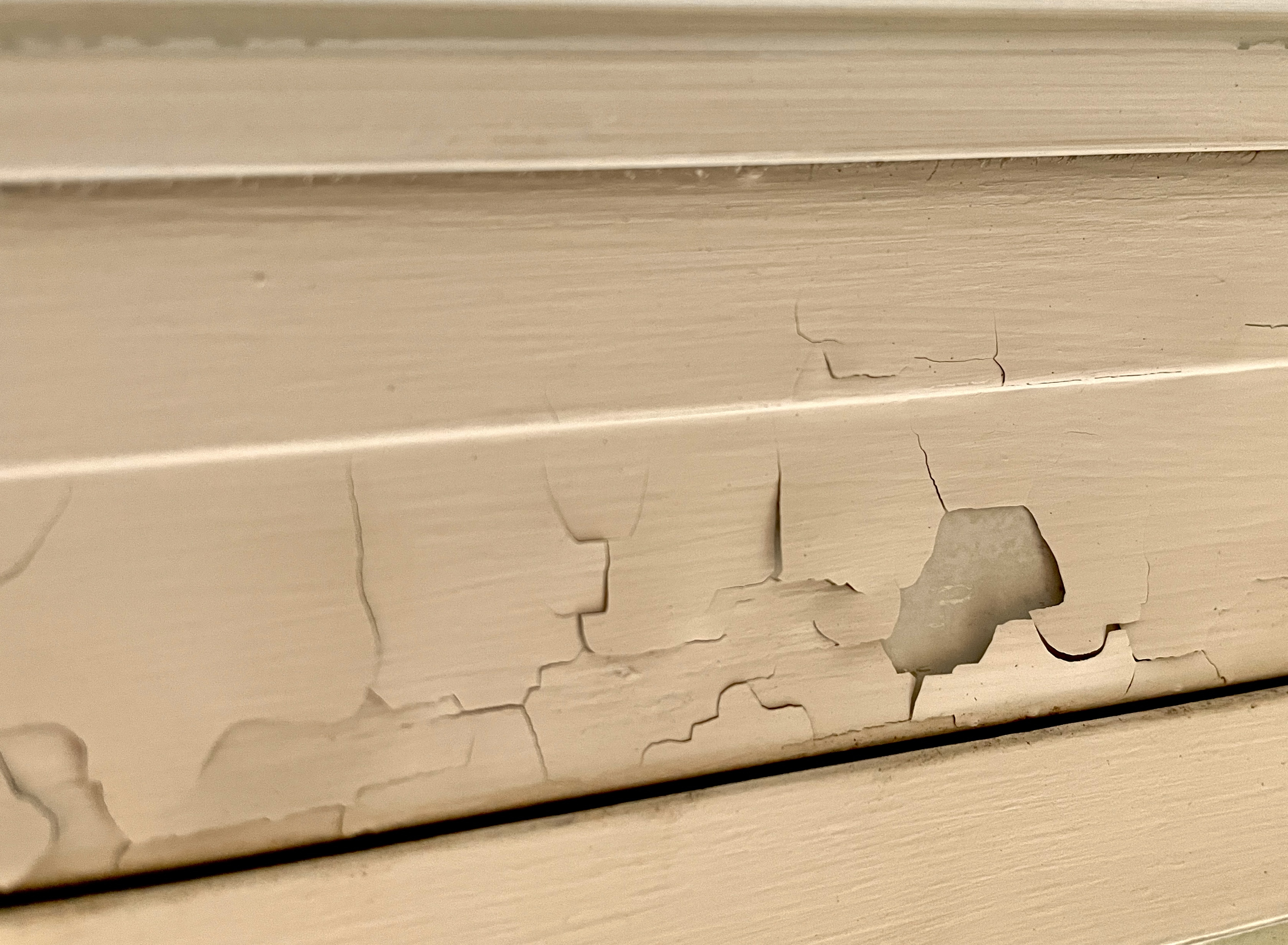
Professional testing for lead paint costs about $300, ranging from about $250 to $700, depending on the square footage, accessibility, and location. However, testing for lead paint with a DIY home-testing kit costs about $25, but doesn’t guarantee accurate results. The U.S. Environmental Protection Agency (EPA) recommends using a lead test kit that complies with the Lead Renovation, Repair, and Painting (RRP) Rule, which has strict criteria for ensuring a more accurate reading.
Common home surfaces to test for lead include:
Walls
Windows
Doors
Molding and trim
Railings
Services test for allergens, mold, VOCs, and carbon monoxide levels to ensure a healthy indoor environment.
At-home lead tests can provide accurate results if used correctly, and if the kits are reputable and certified. They vary in sensitivity and methodology, influencing their accuracy. Follow instructions meticulously, ensuring proper sample collection and test execution. While they can detect elevated lead levels, for precise confirmation or if results are concerning, consider professional testing or lab analysis for comprehensive accuracy and guidance on addressing any issues.
Professional lead removal involves identifying and safely removing or encapsulating lead-based paints and materials, using specialized equipment, and following strict safety procedures to minimize exposure and contamination.
The Dugway, UT homeowners’ guide to lead testing and removal services
From average costs to expert advice, get all the answers you need to get your job done.
Get expert insights on lead paint inspection costs, including key cost factors and ways to save. Learn what affects your estimate and how to budget effectively.
Learn how to hire a qualified lead testing professional for your home. Find certified inspectors, understand costs, and protect your family from lead hazards.