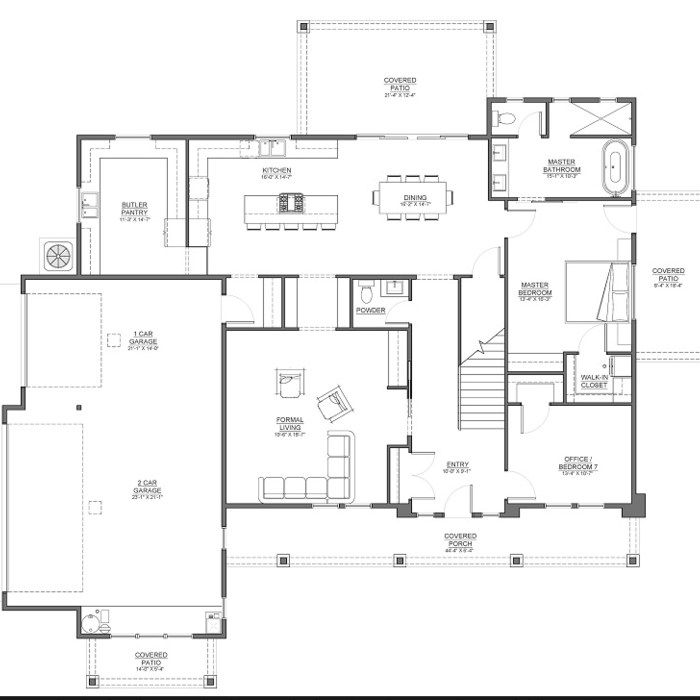
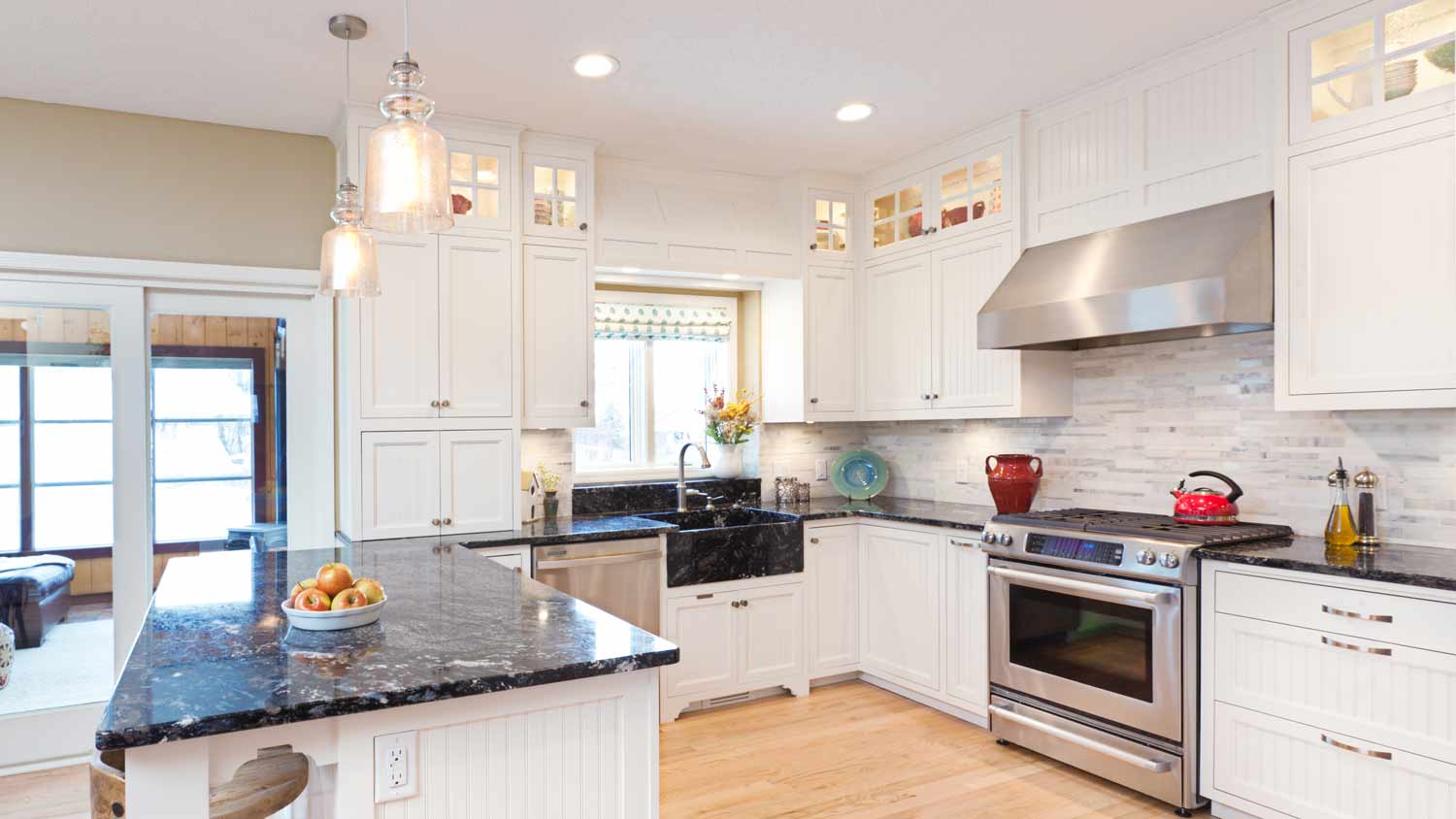
"I am having a full master bath and kitchen remodel done with new layouts in both rooms and knocking out a wall. Evolution worked with me to quickly get a drawing done of the new layouts so that the contractor could get started on the project. They made sure to include me in the process so that the design would be done exactly as my wife and I envisioned. They communicated effectively throughout the process and were always courteous and professional. I recommend them to anyone with drafting needs."
We have a single mission: Complete Customer Satisfaction! We have consistently focused on the needs of our customers, providing personalized attention and a stress-free experience.
\nYou will find us to be competitively priced with close attention to the details.
\nOur reputation is based on service, safety, and quality, regardless of how large or small the job.
\nWe look forward to building a lasting relationship and guarantee your satisfaction!
\n
Terraform Development & Design LLC, delivers expert permit-ready architectural plans and drafting services nationwide. With 8+ years of experience and hundreds of clients across all 50 states, we create code-compliant residential and commercial construction documents that get approved fast and built right.
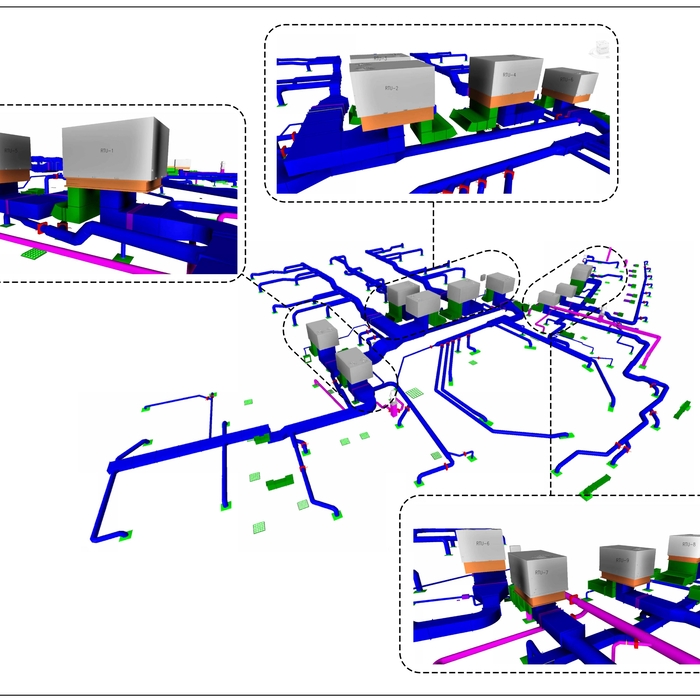
\nFrom site plans, floor plans, elevations, structural & foundation drawings to MEP coordination, full construction sets, 3D renderings, interior design, solar PV layouts, and precise material takeoffs - we handle it all. Fast 4-6 week turnaround, 3 design revisions included, free revisions for city redline changes, transparent pricing (starts at $2,000), and direct partnerships with licensed engineers for stamps in every state.
"We met with Wally, showed him the very rough plans we had, discussed our ideas and the vision we had for the end result. He "got it". After a couple of meetings and revisions we had plans that encompassed our ideas with his design knowledge and expertise. It wasn't easy to take an existing structure that couldn't be changed and design a workable, functioning unique interior but Wally was able to do just that. We found him very open and easy to work with. His explanations of what would and wouldn't work were valuable knowledge for us. We would certainly work with Wally again and not hesitate to recommend him to anyone needing an architect/designer. "
"The basement king was a pleasure to work with. His knowledge is unmatched in the Texas area for sure. I received multiple quotes and talked to multiple companies and he was the best. He's passionate about his work and the manner in which it's done. If he says something, it happens. An added benefit was their cleanliness. Usually a job site of this size and complexity is a mess, but not with the basement kings. 10/10!"
"I was really under the gun due to a prior Architectural firm not performing their duties per building plan codes. Not only were the plans incomplete but the City Plan Reviewer states(The Worst plans he’s ever seen) they will not make adjustments unless there is an additional charge for Thousands.
Evaluation’s saved my clients and drew our project per code, along with Engineering in less time then they quoted. I highly recommended them, Especially Kirsten. You went above and beyond trying to coordinate this project. The staff was very professional and I will use them on all my projects.
Sincerely,
Frank B
BCM Builders"
Our goal is to provide honest and outstanding service through dedication, hard work, attention to detail, integrity and always focusing on our customers best interest at hand. We know that the secret to our success has and will continue to be our satisfied customers.
"Steve did an amazing job on our houseplan. We took him our ideas, and he brought them to life. Not only is he an expert at working the plans, he has practical advice to avoid potential disappointments. He pays attention to the smallest detail. He is always open to ideas as well. When we asked for a redesign for the outside, he did a fabulous job changing the style to fit our new build site. We can’t recommend him highly enough!"
Structural Engineering questions, answered by experts
Yes, a one-story house can have a load-bearing wall. The load-bearing walls in a single-story home are usually the exterior walls. If the house has a basement with exposed walls, the arrangement of the beams can help indicate what walls are load-bearing.
No, it’s not legal for unlicensed individuals to conduct structural calculations for buildings or building repairs. Not only do licensing requirements prevent DIYers from tackling this project, but mistakes can also be extremely dangerous and put your property and anyone inside or near it at risk of severe injury or even death. You should always hire a licensed and certified local structural engineer to make structural calculations.
The average cost to hire a structural engineer is about $550, with prices generally ranging from $200 to $1,500. Structural engineers may charge a flat rate, by the project, by square footage, or an hourly rate, which is typically between $100 and $250. Many jobs, such as inspections and structural calculations, are billed at a flat rate, which often falls between $300 and $800. The final cost depends on several factors, including the project's type, scope, size, complexity, ease of access for inspection, and your geographic location.
You should pick steel for your new support beam for a few reasons. While steel is more expensive than other materials, such as laminated veneer lumber or glulam, it offers the following benefits:
Fire-resistant
Unaffected by pests
Longer-lasting
Stronger against water damage (when galvanized against rust)
You need to hire a structural engineer when building or modifying any component with a structural load in your home. Common situations where you would need a structural engineer include home inspections when buying or selling a home, investigating possible issues with your foundation, beams, load-bearing walls, or chimneys, breaking ground on a new home or structure on your property, and renovating an old part of your home that could threaten any structural integrity. Home additions and bump-outs also require an engineer.
The Wellington, TX homeowners’ guide to structural engineering services
From average costs to expert advice, get all the answers you need to get your job done.
The cost of a structural engineer is easily justifiable given the value they bring to the table. Use this guide to see what hiring your professional will total.
Need extra clearance for getting your vehicles into your garage? Find out how much it costs to convert two garage doors to one double door in this cost guide.
Spotting deep foundation cracks or sagging floors? Learn about structural engineering costs, serious warning signs, and how to hire the right local pro.
It can be hard to choose the right pro for any job, but it matters. Learn how to hire a structural engineer who'll get the job done right from start to finish.