



Top-rated masons.

Get matched with top masons in Vernon, TX

Enter your zip and get matched with up to 5 pros

Need a pro for your masonry work project in Vernon, TX?

Select your specific project to find the pro for you.

Find Masons in Vernon

Avatar for Legacy Supportworks, LLC
Legacy Supportworks, LLC
4.7(
40
)

Serving Vernon, TX and surrounding areas

Approved

In business since 2015

Free estimates

Warranties offered

"Legacy is a very professional company. Jason represents the company very well; he is very knowledgeable and professional. The team completed the work efficiently and thoroughly. The final results are outstanding and exactly what I expected. Nice job team!"
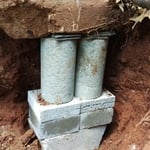
Closing gap due to sinking slab
Straightening the poles
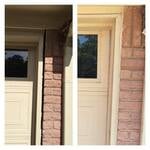
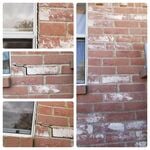
Gap in walls due to sinking slab
Commercial Grade PolyLevel Foam
Transmission Poles

+17

Response time1 day
41 neighbors recently requested a quote
Recommended by87%of homeowners
Avatar for Olshan Foundation Repair
Olshan Foundation Repair
4.6(
17
)

Serving Vernon, TX and surrounding areas

Approved

In business since 1933

Free estimates

Warranties offered

"They gave an estimate and described their recommendation. The quote was more than I expected and the proposed work was not going to meet my needs."
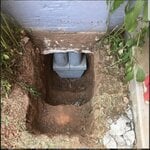
Sump Pump Install
Perimeter Prep
Team at Work
Perimeter Trench Cut
Water Lock Plus

+43

Response time4 days
Response rate100%
1 neighbors recently requested a quote
Showing 1-10 of 44
Masonry questions, answered by experts

Yes, you can limewash surfaces other than brick. Plaster, stone, stucco, and concrete can all also be limewashed. Any porous surface that will absorb the wash is a good candidate for limewash, although it won’t help much with waterproofing. If you choose to limewash over paint, you’ll need to prep before applying it to avoid a powdery, chalky finish. Shiny surfaces like metal or glass can’t absorb limewash, so it’s not suited for these.

When painting brick, each application method has distinct advantages and disadvantages. Spraying is significantly faster but may not penetrate deeply beyond the surface layer. Rolling is effective for working paint into the brick's texture but can be less effective on mortar joints. If you opt for a roller, choose a thick nap of at least a half-inch to ensure paint gets into all the crevices for even coverage. Using a brush is generally not recommended as it is very time-consuming and provides poor surface penetration. Ultimately, a combination of spraying followed by back-rolling is often the best strategy for a durable and even finish.

Yes, it is usually possible to repair a damaged brick mailbox. A professional brick mason or masonry contractor can perform the repairs. They can assess the damage, provide an estimate, and help you determine if the repair is worthwhile based on the mailbox's value and the extent of the damage. The repair process may involve sourcing replacement bricks and mortar. Damaged bricks can be cut out and replaced, or the mortar joints can be cut out and retucked. It's important to note that the new mortar may differ in color from the original. If the mailbox insert itself is damaged, it can typically be cut out and replaced as well. If your brick mailbox has been completely destroyed, you should check with your local building code enforcement office before rebuilding, as some areas do not allow brick mailboxes due to the potential hazard they pose to drivers.

You should generally drill into the mortar joints when installing shutters on brick. Mortar is softer, which makes drilling easier and puts less strain on your tools. It also lowers the risk of cracking a brick—something that’s a lot harder to fix. Mortar holds fasteners well enough for standard shutters, and if you ever need to patch the holes later, it’s a much simpler job than dealing with damaged brick. Just keep in mind that if your mortar joints are too thin or the hardware calls for brick anchoring, you'll need to check the manufacturer’s recommendations and adjust accordingly.

Mortar and thinset both serve the same purpose—tile adhesion—but have different compositions and use-cases. Thinset is heatproof and presents a wide range of possibilities due to the added polymers. Mortar is typically used for bonding stones and brick. Thinset is rarely used outside, while mortar is rarely used inside.

The Vernon, TX homeowners’ guide to masonry services

From average costs to expert advice, get all the answers you need to get your job done.