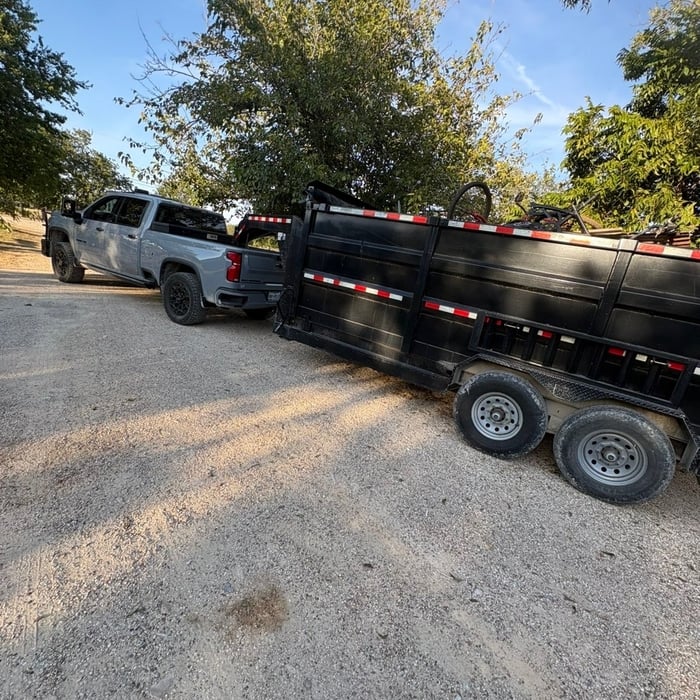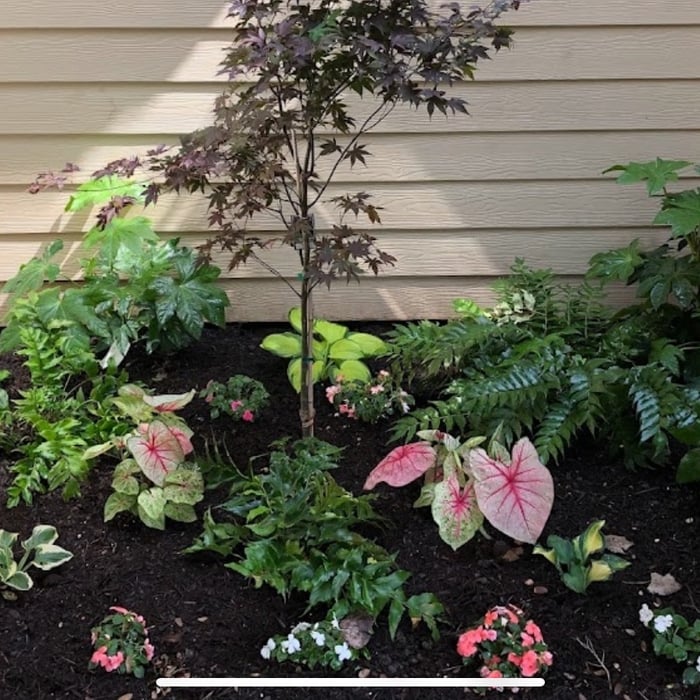






Top-rated excavation pros.

Get matched with top excavation pros in Troy, TX

Enter your zip and get matched with up to 5 pros

Need a pro for your excavation project in Troy, TX?

Select your specific project to find the pro for you.

TRUSTED BY TROY, TX HOMEOWNERS

  • Average homeowner rating star icon4.1
    Average homeowner rating
  • Verified reviews icon12
    Verified excavation services reviews

Find Excavation pros in Troy

Avatar for We Love Junk, LLC
We Love Junk, LLC
5.0(
12
)

Serving Troy, TX and surrounding areas

Approved

Super Service Award Winner

In business since 2024

Free estimates

Small jobs welcome

"Amazing service that exceeded every expectation I had. All facets of the service were fantastic and I would recommend them to anyone and everyone needing furniture/appliance removal."
Property Cleanout
Response time7 hrs
22 neighbors recently requested a quote
Recommended by25%of homeowners
Avatar for Triple Deuce LLC
Triple Deuce LLC
New to Angi

Serving Troy, TX and surrounding areas

Approved

In business since 2020

Free estimates

Credit card accepted

We take great pride in our experience, expertise, quality, and customer service that we provide to meet the consumer's custom needs. It is our mission to provide excellent workmanship and complete customer satisfaction from start to completion of a project. In order to understand the needs and expectations of our customers, we take great care to work and communicate with every customer in a professional manner. Our reputation is based on service, safety, and quality, regardless of how large or small the job.\n

Pond Build
Land Clearing
Land Clearing
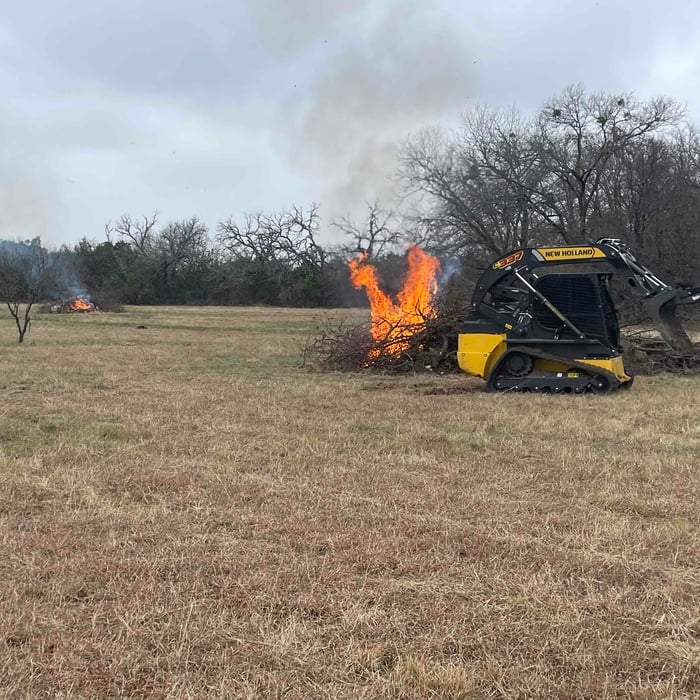
Land Clearing
Land Clearing

+1

2 neighbors recently requested a quote

Avatar for CenTex Woodland Co.
CenTex Woodland Co.
New to Angi

Serving Troy, TX and surrounding areas

Approved

Free estimates

Credit card accepted

Offers commercial services

CenTex Woodland Co. specializes in professional forestry mulching, land clearing, demolition, and ranch improvements across Central Texas. We are locally owned, fully insured, and committed to safety, precision, and clean results. When you hire us, you’re getting experienced equipment operators who treat your property like it’s our own.\n\nTurning overgrown property into clean, usable land — safely, professionally, and done right the first time.\n\nWhy Choose CenTex Woodland Co.?\n• Locally owned and operated\n• Fully insured for your protection\n• Experienced, professional equipment operators\n• Clear communication and dependable scheduling\n• Quality work without sh

Forestry mulching
Forestry mulching
Forestry mulching
Forestry mulching
Forestry mulching

+5

2 neighbors recently requested a quote
Avatar for Brenner dunigan
Brenner dunigan
New to Angi

Serving Troy, TX and surrounding areas

Approved

Free estimates

Emergency services offered

Small jobs welcome

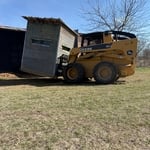
Hi, my name is Brenner Dunigan. I’m born and raised in Waco. I take pride in having a strong work ethic and always strive to give my best effort in everything I do. I am dependable and committed to meeting deadlines while maintaining high-quality work. I stay organized, focused, and willing to take initiative when something needs to be done. I welcome feedback as an opportunity to grow and continuously improve my skills. Most importantly, I approach every task with a positive attitude and a sense of responsibility, understanding that hard work and consistency build trust and strong results.

1 neighbors recently requested a quote

...
Showing 1-10 of 112
Excavating questions, answered by experts

The best type of soil to build on is a mixture of sand and clay, known as loam soil. Loam soil has the best combination of these soil types to build a foundation on. The clay particles help with water retention, so it won’t erode like sandy soil might, and the sandy particles help with drainage, so you won’t see unsafe soil expansion or have an increased risk of leaks from water sitting against your foundation.

There are several methods to hollow out a tree stump, and the best one depends on your tools, experience, and priorities. Common methods include using a chisel and hammer, a chainsaw, or burning.

  • Chisel and Hammer: This is often considered the easiest approach for those with limited tools or experience, though it is the most time-consuming.

  • Chainsaw: Using a chainsaw is the fastest method, but it comes with significant safety risks, especially for inexperienced users.

  • Burning: This can be an effective method, but it is not recommended unless you can first drill holes into the stump. Without holes, the stump will be difficult to light and may not burn completely through.

A power drill with at least a ⅜-inch diameter bit can make the job quicker and easier, regardless of the primary method. While you can use a chisel or chainsaw without a drill, it will require more time and effort. Always wear protective goggles and thick gloves, as splinters are an inevitable risk.

How deep your septic system needs to be into the ground depends on several factors. In extremely cold environments, the tank needs to rest below the maximum frost line, which can be up to six or eight feet deep. The standard burying depth for most systems is between a few inches and four feet below ground level. Depth can also depend on the slope of the landscaping and other property variables. 

Trenching and boring are two distinct methods for installing underground utilities. Trenching involves digging a channel using equipment like an excavator, trencher, backhoe, or shovel. While it is a simpler process, it causes significant disruption to the surface, landscaping, and surrounding ecosystems.

Boring, also known as directional boring, is a less invasive alternative that uses a drill to create a tunnel for utility lines without disturbing the surface. This method is more precise and is ideal for installations that need to go underneath buildings, roads, or bodies of water. Although boring is less disruptive, it is generally more expensive than trenching.

Tree experts don’t advise against digging through tree roots, but instead encourage caution and consultation with a local arborist to make sure you don’t damage the tree’s structure or interrupt its water or nutrient intake. An arborist can recommend specific practices when digging and help prune the roots or dig a trench for utilities with a tool that can remove soil without touching the tree’s roots.

The Troy, TX homeowners’ guide to excavation services

From average costs to expert advice, get all the answers you need to get your job done.