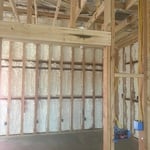
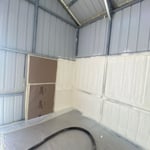
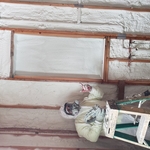
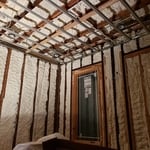
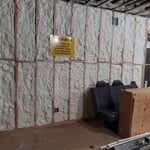
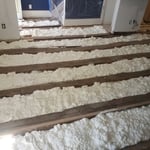
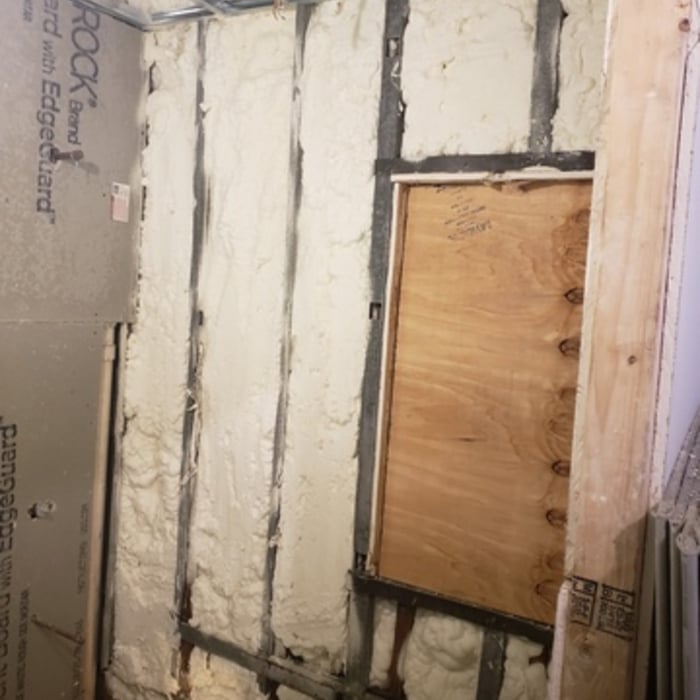
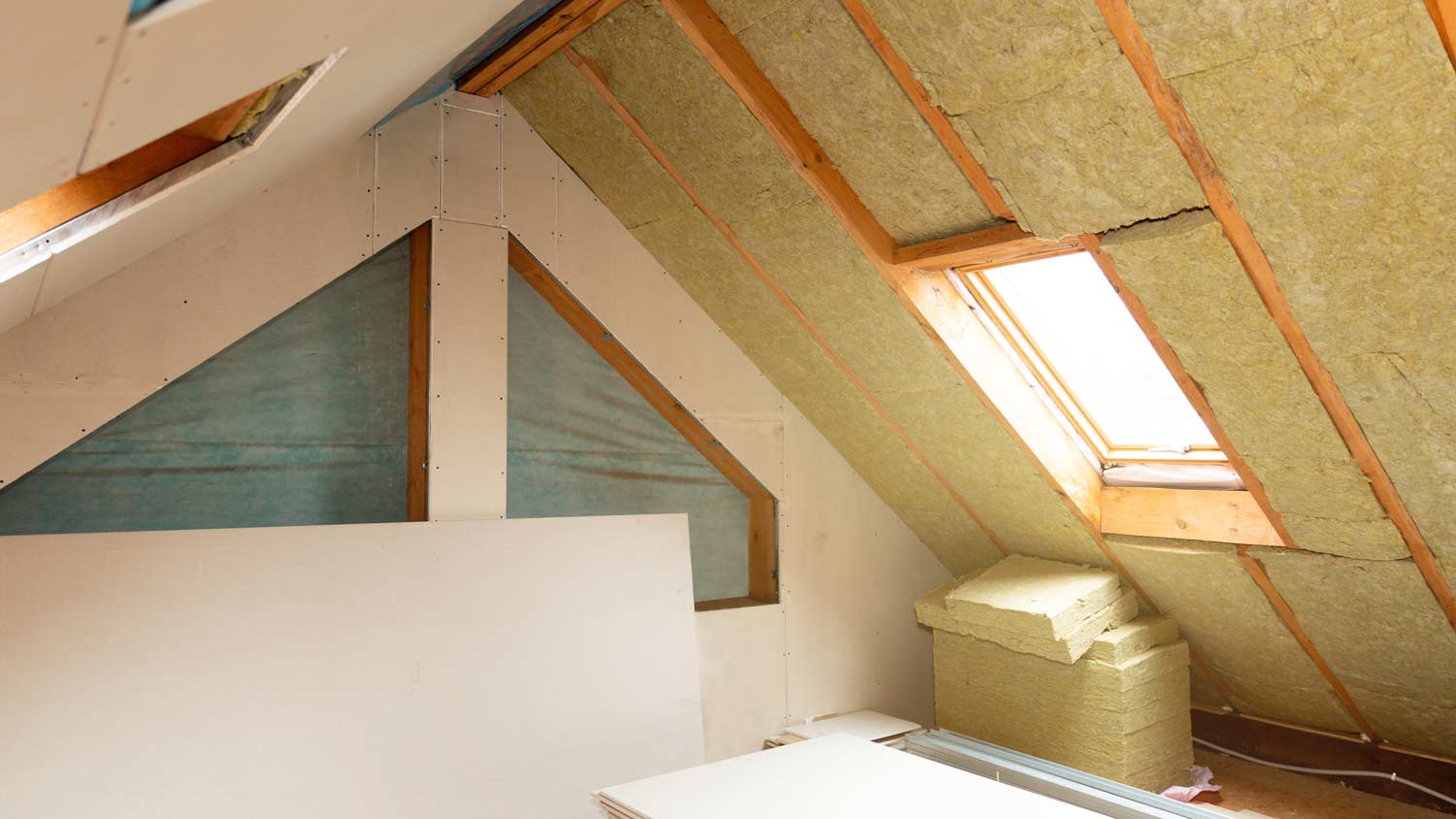
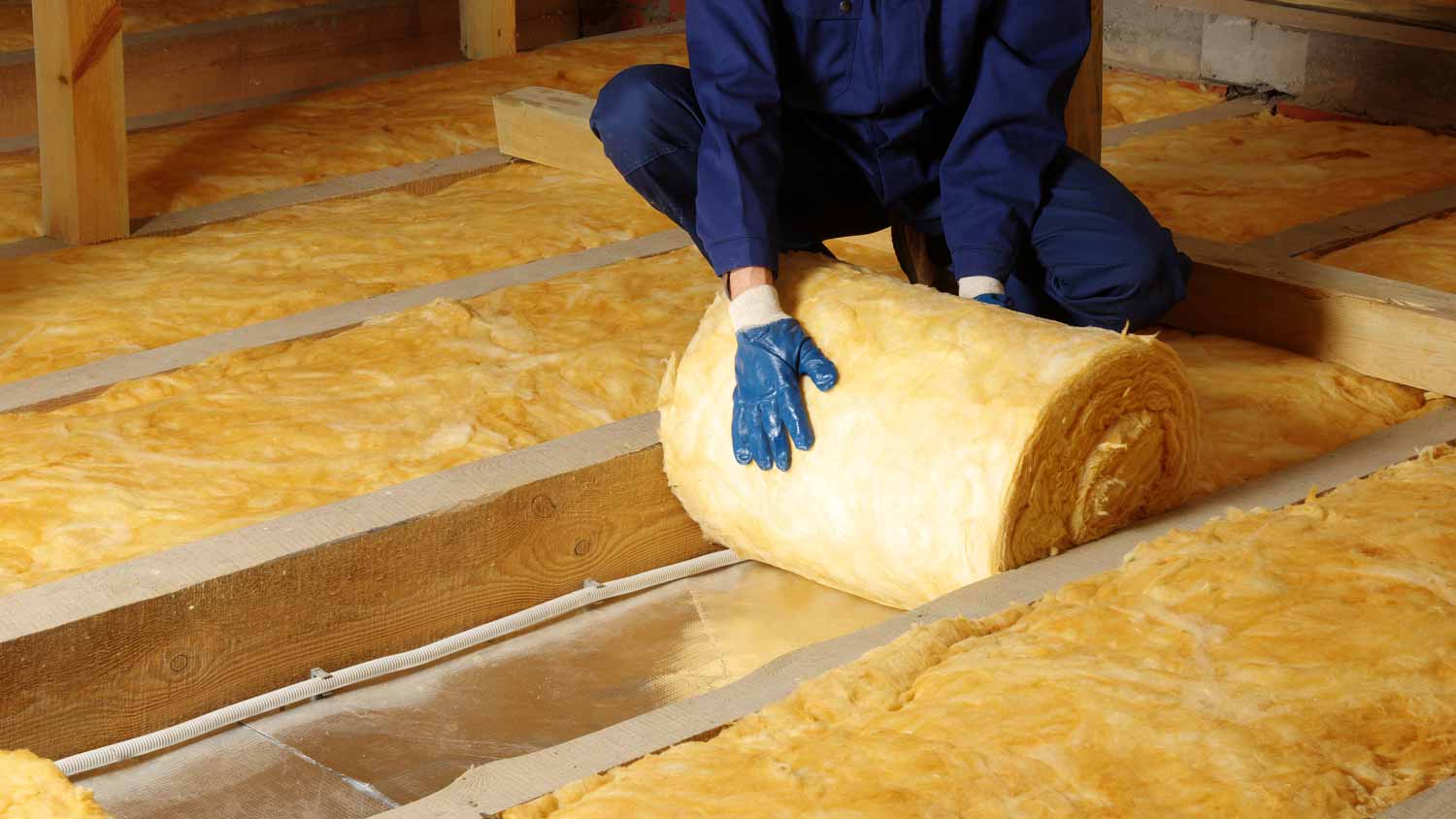
"They really worked hard to find the specific type of insulation I wanted for my walls in my garage conversion. It was Rockwool R15 Comfort Batt Insulation. It makes the room feel cozy and it helps to dampen sound!!! My walls were 2 X 4 inch walls. They were able to do the work, within 7 days, from first coming to my home and giving a bid!!! That is amazing!!! They listened to what I wanted and installed it properly!!! I would recommend them to anyone needing insulation!!!"
Lonestar Foam Insulation is a Texas based company owned and operated by Juan Vargas, proudly serving surrounding areas across the state. With over 10 years of combined experience, the team specializes in spray foam insulation for residential and light commercial projects. Their focus is on delivering energy efficient solutions that help improve comfort and reduce long term costs for homeowners.
\n
\nIn addition to spray foam insulation, Lonestar Foam Insulation offers a range of home improvement services, making them a versatile partner for your project needs. Juan and his team are committed to quality work, honest communication, and dependable service from start to finish.
\n
\nIf you need help with insulation or home improvements, Lonestar Foam Insulation is ready to assist. Call 469 595 4062 to get started.
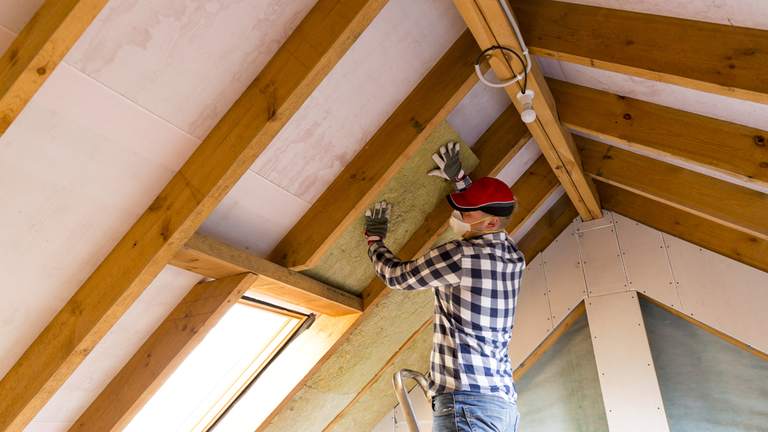
"I hired these guys to insulate my garage attic. They asked for a few photos and measurements, quoted a reasonable price, and scheduled the job right away. Friendly, professional, and hard working. I give them my highest recommendation!"
Insulators of America LLC is committed to excellence in every aspect of our business. We uphold a standard of integrity bound by fairness, honesty, and personal responsibility. Our distinction is the quality of service we bring to our customers. Accurate knowledge of our trade combined with ability is what makes us true professionals. Above all, we are watchful of our customers' interests, and make their concerns the basis of our business.
\n
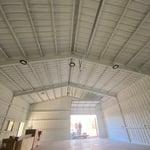
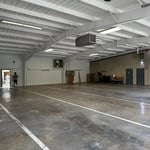
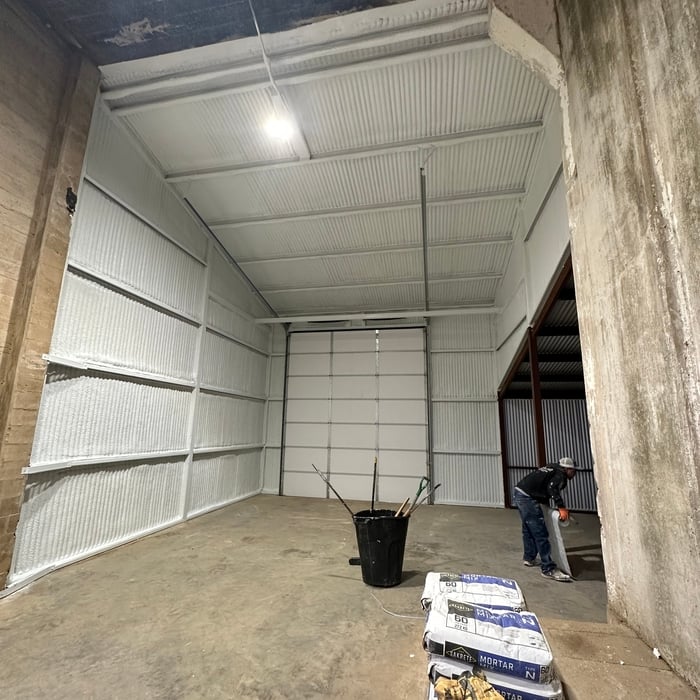
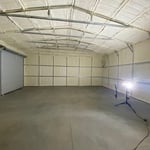
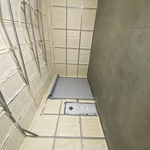
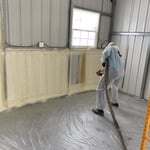
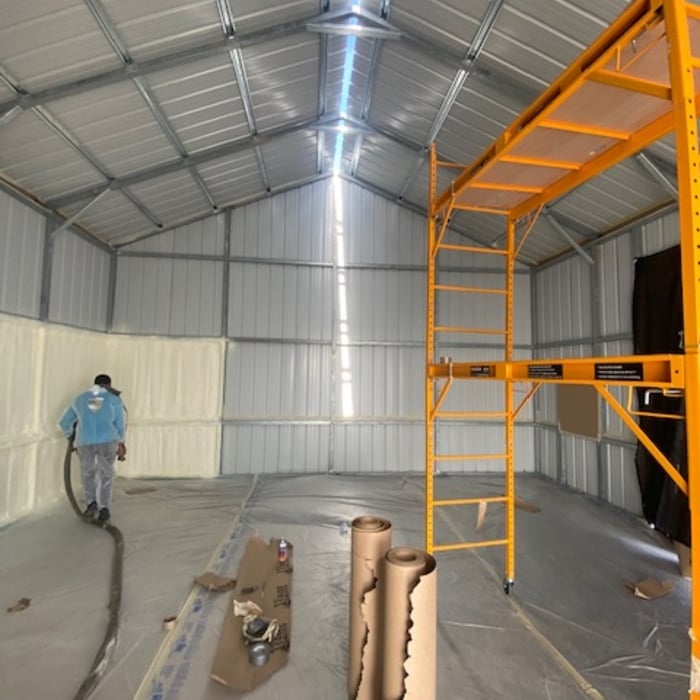
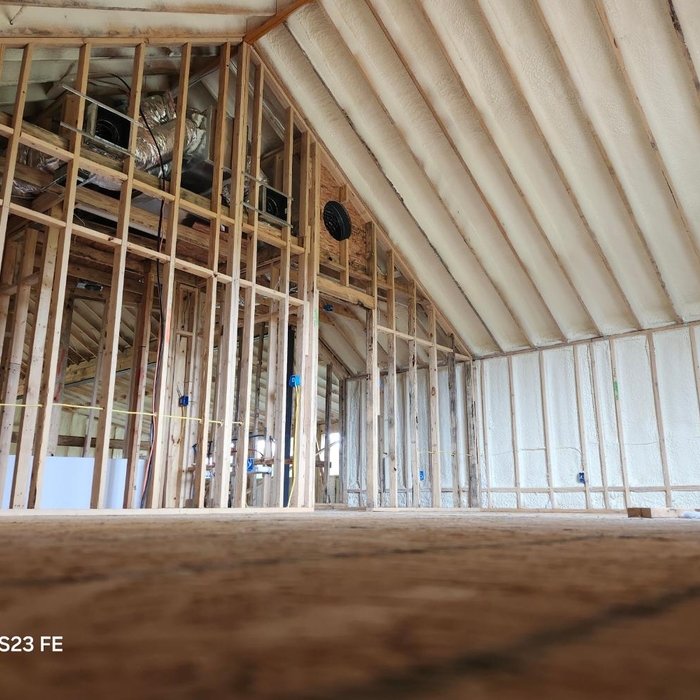
"I called them for my garage on a Wednesday, they scheduled me for Saturday morning. Showed up at the time they said. Got right to work. There is no gaps in the metal all are filled. They sprayed 1 in closed cell on walls and roof. The price is unmatched by anyone. Definitely worth calling them. I'd use them again."
"The crew showed up every morning on time. They patched/drywalled and textured numerous small areas. The texturing was so good, that it is almost impossible to detect where the repairs where made. They also framed, drywalled and textured the kitchen area for recessed lighting installation. They repaired an area where there was a shower leak. They replaced the drywall and textured an area where a closet had been removed. On every part of the project, they exhibited superior workmanship. And at the end of every day, they cleaned up after themselves. Hire them again? Definitely yes! "
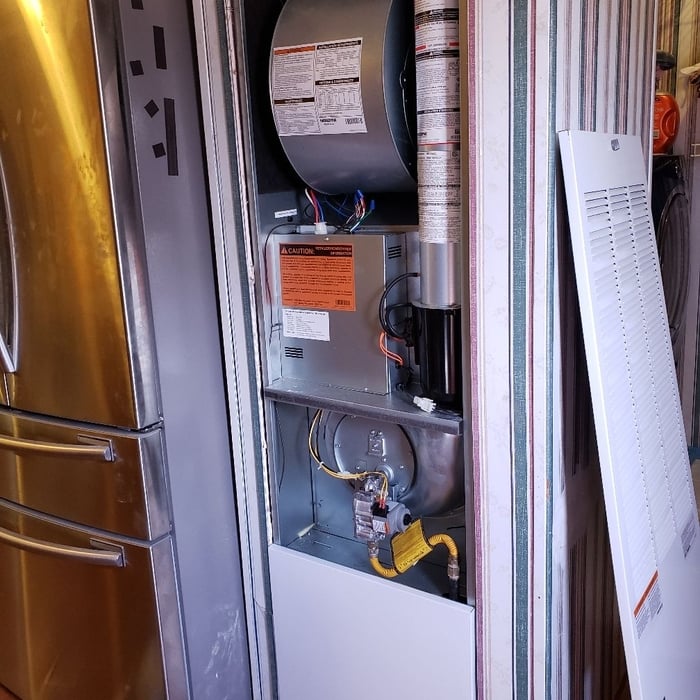
"The service was quick and efficient. He was even able to provide a piece that was missing that should have come with the air handler. The techs were personable and knowledgeable."
Excluding carpet, strand-woven bamboo provides excellent underfoot heat. Laminate flooring is also good for insulation and preventing cold feet in the winter. Bamboo tends to work better in climates that have more consistent temperatures, while laminate does a better job at insulating floors in homes that experience more extreme temperature changes, such as the deciduous climates of the northeastern U.S.
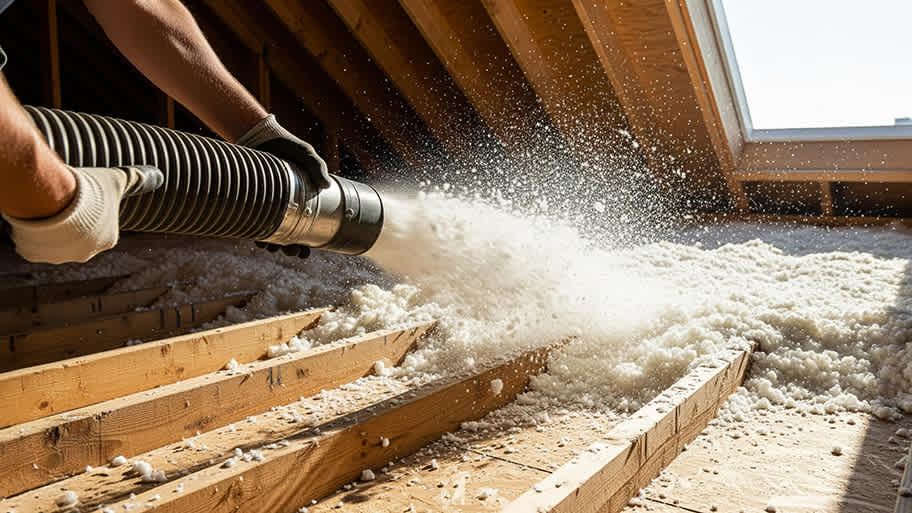
Most homeowners installing blown-in insulation as a one-off DIY project should simply rent a blower. They tend to be very heavy, and contractor-grade machines can cost $13,000 to $16,000.
Cellulose insulation is usually made from recycled paper products, such as old newspapers, but cellulose might also contain recycled denim. While most homeowners traditionally buy cellulose insulation to use for installation, it is possible to make your own at home with old newspapers, cardboard, a paper shredder, and boric acid (important for fireproofing your cellulose insulation materials).
The cost to install a radiant barrier ranges from $700 to $2,800, depending on the size of your roof and the type you choose. Most people pay an average of $1,700 to install a radiant barrier. Foil options, both single- and double-sided, cost between $0.10 and $0.90 per square foot, while spray-on options start at $0.60 and go all the way up to $1 per square foot—which can add up quickly.
Insulation can be made of cellulose, fiberglass, polyurethane, polystyrene, or mineral wool. Radiant barriers are often made of aluminum or other similarly reflective materials, but they will need to be paired with something else because they don’t provide heating benefits. Cellulose is among the most eco-friendly options and may be recycled when it’s past its shelf-life, whereas polyurethane and polystyrene both emit harmful compounds and will need to be handled with care during installation.
The Streetman, TX homeowners’ guide to insulation services
From average costs to expert advice, get all the answers you need to get your job done.
New insulation can make your home more comfortable and boost energy efficiency. Use this insulation cost guide to get an accurate estimate for the installation.
The cost of blown-in insulation costs varies depending on the type of insulation, labor, prep work, and more. Learn more about the cost factors in this guide.
What is insulation? This behind-the-scenes home fixture will maintain comfortable temperatures in your home no matter the season. It’ll lower energy bills, to boot.