



Top-rated excavation pros.

Get matched with top excavation pros in Ozona, TX

Enter your zip and get matched with up to 5 pros

Need a pro for your excavation project in Ozona, TX?

Select your specific project to find the pro for you.

Find Excavation pros in Ozona

Avatar for DiamondBackFabrication
DiamondBackFabrication
New to Angi
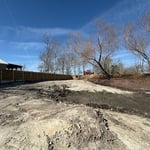
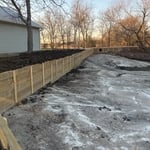
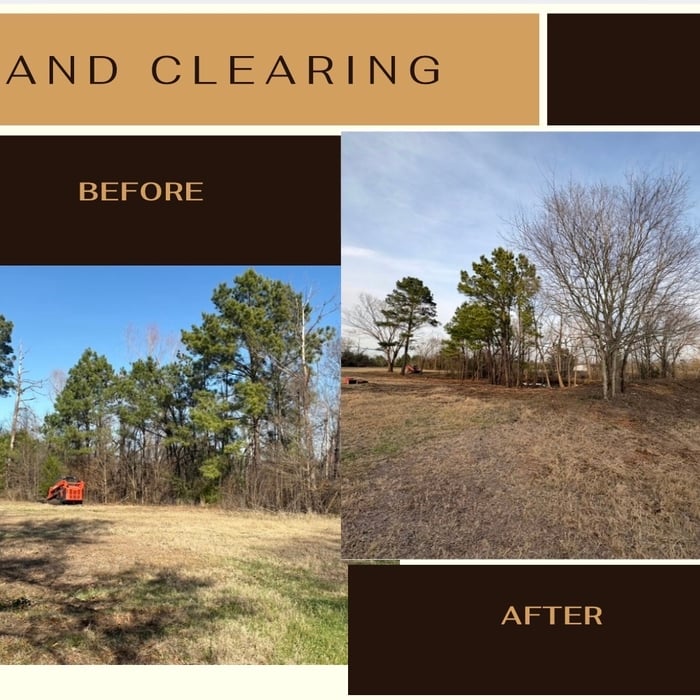
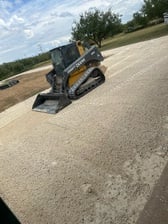
Building Site - Preparation and Clearing

Serving Ozona, TX and surrounding areas

Approved

In business since 2025

Free estimates

Emergency services offered

We have a single mission: Complete Customer Satisfaction! We have consistently focused on the needs of our customers, providing personalized attention and a stress-free experience.\nYou will find us to be competitively priced with close attention to the details.\nOur reputation is based on service, safety, and quality, regardless of how large or small the job.\nWe look forward to building a lasting relationship and guarantee your satisfaction!\n

Sheet metal fence
Sheet metal fence
Entrance Gates
Entrance Gates
Entrance Gates

+5

7 neighbors recently requested a quote
Showing 1-10 of 31
Excavating questions, answered by experts

Yes, chipmunk holes may have two or more entrances. Chipmunks can create an entire network of burrows. Having multiple entrances makes it easier for them when trying to escape from a predator, such as a snake, or if an entrance collapses due to flooding. Each entrance leads to the nesting chamber underground, which is where the chipmunk spends the majority of its time sleeping.

Trenchers can dig holes as narrow as 4 inches or as wide as 4 feet. Check the specifications of the trencher you rent or buy to determine how wide it will cut into the landscape. Better yet, let the excavation company know how wide you’d like the trench to be, and they can help you choose the right trencher for the job (or do it for you).

In the United States, a depth of 36 inches (three feet) for underground water lines is the accepted industry standard. This depth varies from location to location based on local conditions. In areas with colder winters, they may be buried deeper to prevent frozen well water pipes : This is usually at least six inches below the frost level. The International Plumbing Code calls for a minimum of 12 inches below grade.

You can dig 60 to 80 linear feet by hand per day depending on the depth. Digging a 100-foot trench by hand will take you two work days, but it can take longer if you have heavy or rocky soil. If you’re digging a deep trench or one that’s over 100 feet, consider renting a mechanical trencher, such as a walk-behind or ride-on, or calling a pro for help. 

No, a ditch isn’t a trench. A ditch is an open, relatively shallow channel that’s carved out of the ground and used for drainage purposes. In contrast, a trench is a deeper excavation that’s entirely underground. Trenches have many uses, including gas lines, sewage systems, and electrical wiring. Unlike trenches, ditches don’t get filled back in with dirt after they’re dug.

The Ozona, TX homeowners’ guide to excavation services

From average costs to expert advice, get all the answers you need to get your job done.