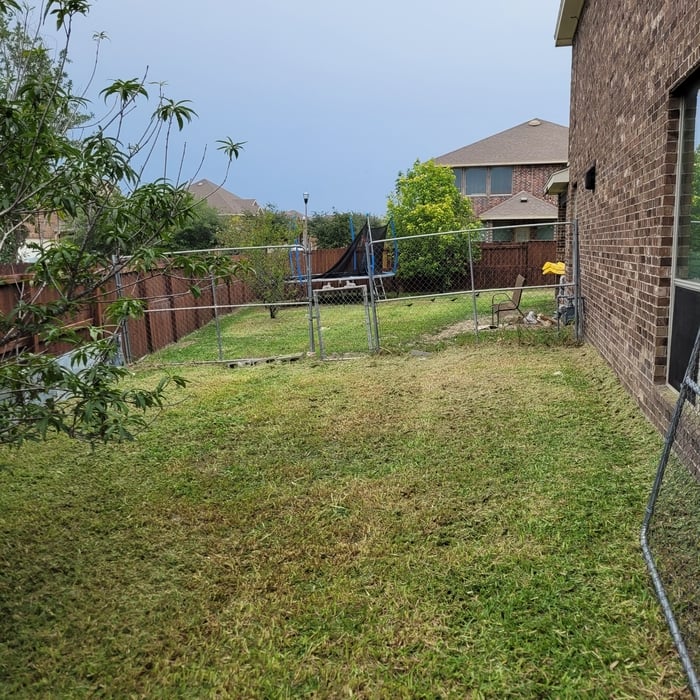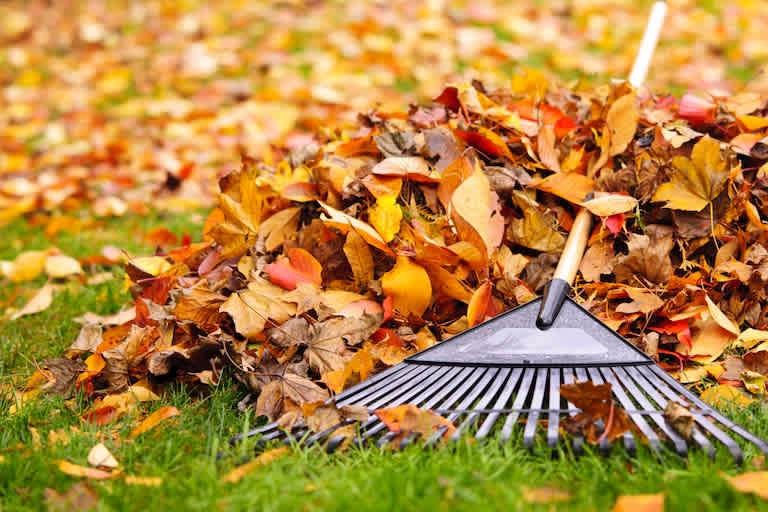



Top-rated leaf removal pros.

Get matched with top leaf removal pros in Mission, TX

Enter your zip and get matched with up to 5 pros

Need a pro for your leaf removal project in Mission, TX?

Select your specific project to find the pro for you.

TRUSTED BY MISSION, TX HOMEOWNERS

  • Average homeowner rating star icon4.3
    Average homeowner rating
  • Verified reviews icon14
    Verified leaf removal services reviews

Find Leaf removal pros in Mission

Avatar for Frontera Hauling & Junk Removal LLC
Frontera Hauling & Junk Removal LLC
New to Angi
Waste, Junk, Building Materials and Debris - Remove and Haul

Serving Mission, TX and surrounding areas

Approved

Free estimates

Emergency services offered

Small jobs welcome

Hi, we’re Omar and Imelda, the owners of Frontera Hauling & Junk Removal Services LLC. We started this business with a simple goal: to work hard, treat every customer with respect, and provide quality work we can be proud of. While hauling and junk removal are at the heart of what we do, our experience also allows us to take on demolition, property cleanups, remodeling projects, pergolas, fences, and other home improvement work. We believe that doing the job right, being dependable, and taking pride in our work is what leads to lasting success. We’d appreciate the opportunity to earn your trust and your business.

2 neighbors recently requested a quote
...
Showing 1-10 of 204
Leaf Removal questions, answered by experts

The best disposal method for hazardous waste is recycling or donation, if possible. That way, the world can reduce its consumption of raw materials and the volume at which materials have to be treated and disposed of. If recycling or donation is not an option, most waste can be disposed of through landfills or incinerators, but their collection and treatment are separate from regular day-to-day waste disposal. 

According to the Environmental Protection Agency (EPA), hazardous waste is generally classified into four main categories:

1. Characteristic Wastes: These exhibit at least one of four hazardous traits: ignitability (flammable, like gasoline), corrosivity (can rust or decompose materials, like car batteries), reactivity (unstable and can explode, like aerosol cans), or toxicity (harmful when ingested, like lead-based paint).

2. Listed Wastes: These are specific wastes from manufacturing and industrial processes that the EPA has officially designated as hazardous. They include byproducts from processes that use solvents, pesticides, and other chemicals.

3. Universal Wastes: These are commonly generated hazardous items that are subject to streamlined regulations. Examples include batteries, pesticides, mercury-containing equipment (e.g., bulbs), and some lamps.

4. Mixed Wastes: This category includes waste that contains both hazardous and radioactive components, making it subject to regulation by both the EPA and the Nuclear Regulatory Commission.

You can paint over lead paint, or “encapsulate” it with a special paint that includes an ingredient called an encapsulant. The EPA approves encapsulation as a lead paint removal method as long as the paint remains undisturbed. Standard types of paint without an “encapsulant” from the big box stores or hardware stores do not meet EPA standards for remediation of lead-based paint.

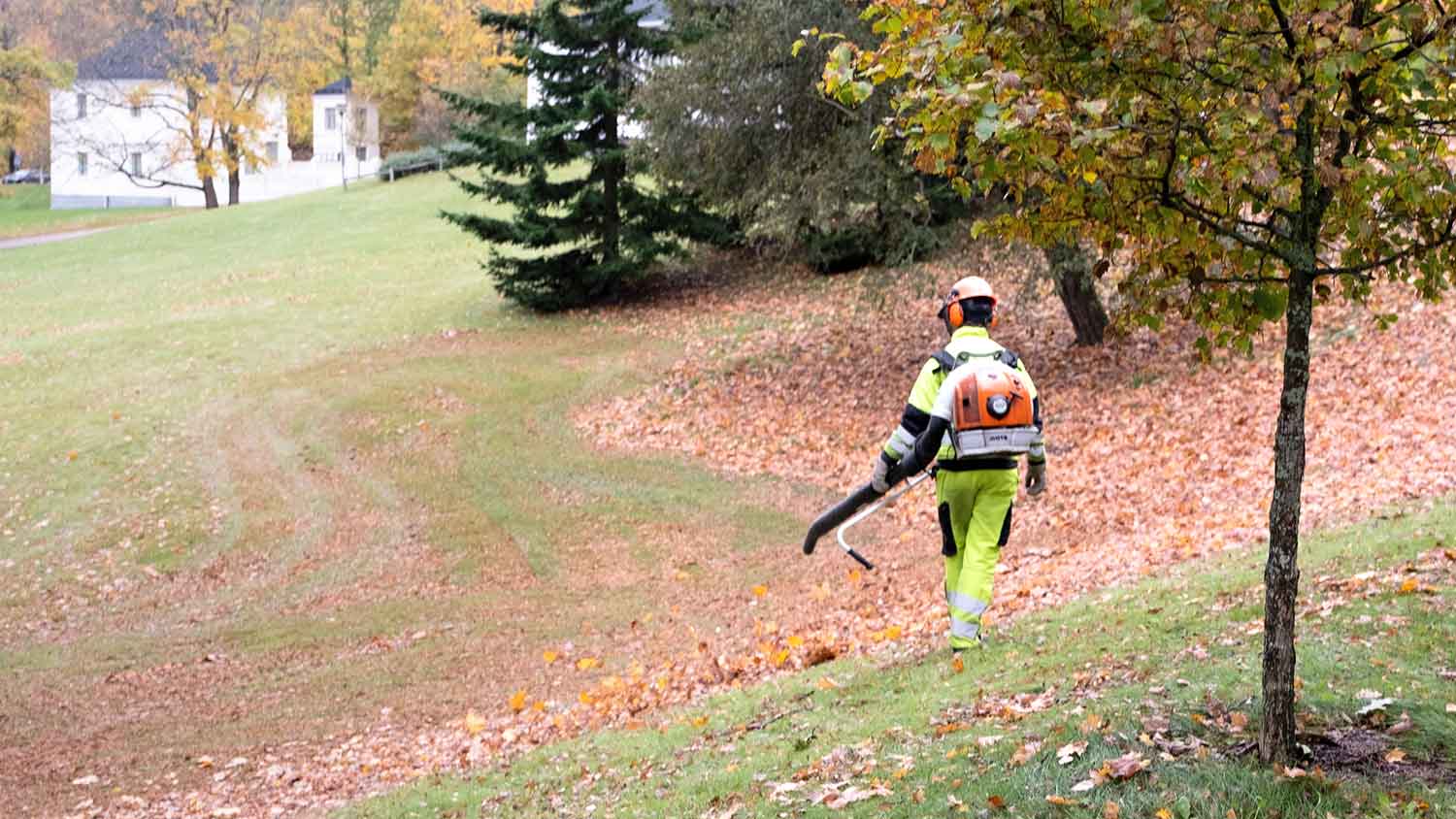
Professionals use appropriate equipment to prevent property damage and ensure efficiency.

You may see specialty products for sale to remove lead dust, such as D-Lead surface wipes. But you do not need to buy a special cleaner just for lead dust. A regular all-purpose cleaner, like 409 or something similar, is sufficient for cleanup. Just make sure to follow the manufacturer's directions when using it and to dilute with water.

The Mission, TX homeowners’ guide to leaf removal services

From average costs to expert advice, get all the answers you need to get your job done.