







Top-rated generator install pros.

Get matched with top generator install pros in Mesquite, TX

Enter your zip and get matched with up to 5 pros

Need a pro for your generator install project in Mesquite, TX?

Select your specific project to find the pro for you.

Find Generator install pros in Mesquite

Avatar for McBride Electric
McBride Electric
5.0(
18
)
Fixed Generator - InstallPortable Generator - Install

Serving Mesquite, TX and surrounding areas

Approved

In business since 1961

Emergency services offered

Warranties offered

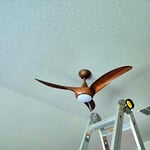
"I engaged McBride to install two ceiling fans at my house. The installer, Justin, did an excellent job on both and I'm very pleased with Justin and the work he did for me. For my next electrical project I will be calling McBride."
Response time11 hrs
Response rate90%
9 neighbors recently requested a quote
Avatar for Gonelectrical L.L.C
Gonelectrical L.L.C
5.0(
35
)
Fixed Generator - InstallPortable Generator - Install

Serving Mesquite, TX and surrounding areas

Approved

Super Service Award Winner

In business since 2024

Free estimates

Emergency services offered

"Correctly reinstalled whole home surge protector; added a sub panel for additional breakers; installed three 6-20R outlets; and installed a junction box and disconnect for future projects. Showed up on time and did top notch work! Highly recommend."
Modern Glow Makeover
kitchen remodel
Soffit lighting

+16

Response time4 hrs
Response rate96%
33 neighbors recently requested a quote
Avatar for Copeland Home Services LLC
Copeland Home Services LLC
5.0(
16
)
Fixed Generator - InstallPortable Generator - Install

Serving Mesquite, TX and surrounding areas

Approved (Corporate)

In business since 2019

Free estimates

Emergency services offered

"Copeland provided quick and professional service. I spoke with Autumn on the phone, who was incredibly kind. She helped me get an appointment for the very next day to install my Tesla charger. The electrician was punctual and courteous; he completed the work quickly and I have had no issues. I would choose Copeland again"
HVAC
HVAC
HVAC
HVAC
Photos

+44

89 neighbors recently requested a quote
...
Showing 1-10 of 246
Generator Install questions, answered by experts

To reduce AC startup power for a whole-house generator, install a soft start kit or hard start capacitor, which lowers the initial surge by gradually ramping up the compressor. Using a smart load manager can also help by staggering startup loads, preventing a system overload and future costly repairs.

Natural gas generators are designed to run for extended periods of time, such as power outages during a natural disaster. Since there’s no limit to the supply of natural gas, they don’t need to stop for refills. However, generators do need maintenance, including pauses to check and add oil. Constantly running them will also cause a lot more wear and tear, leading to a shorter lifespan.
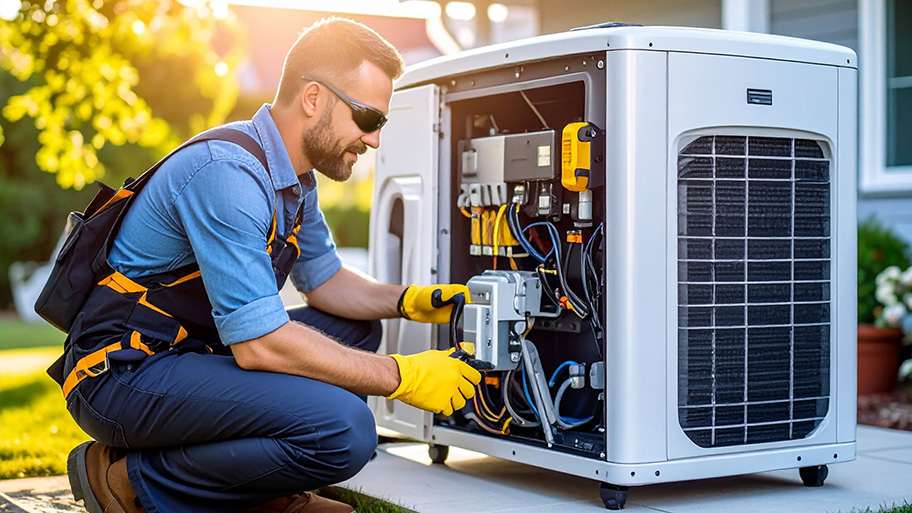

Sizing a generator is a careful process that requires calculating the electrical load of your entire house. You have to take into account every device you want to use and their wattage requirements, plus the wattage needed to start them, and look for a generator that can safely run all that at around 80% capacity.

In more practical terms, a small home can run on a 10,000-watt generator (and if you only want to power a few key appliances, much less than that). A mid-sized home may need something between 15,000 and 22,000 watts. Larger homes require 25,000 watts or more. 

If you’re wondering if you can use your electric vehicle as a backup battery, it depends on whether your EV is compatible with bidirectional charging. This technology allows energy to flow both ways, enabling vehicle-to-home (V2H) backup power, vehicle-to-load (V2L) for appliances and camping, and vehicle-to-grid (V2G) to support the power grid. Compatible EVs convert stored DC energy into usable AC power, helping reduce energy costs and enhance grid stability while providing emergency backup power.

To determine the right size generator for your house, you should calculate the total wattage of the appliances and devices you want to power during an outage. List all essential items, note their start-up wattages, and add them together.

Here are some typical wattage requirements for common appliances:

  • Refrigerator: 600 watts

  • Large dehumidifier: 700 watts

  • Large window air conditioner: 1,400 watts

  • Water heater: 3,000 to 4,500 watts

  • Electric furnace: 5,000 to 25,000 watts

A 7,500-watt generator might be sufficient for essentials like a refrigerator, freezer, well pump, and lighting circuits. However, for high-demand items like a water heater or furnace, a whole-home generator is a better choice. A portable generator may be enough if you only need to power a few critical items.

While home square footage can offer a rough estimate, it is not always a reliable indicator. For reference, here are some typical generator sizes based on square footage:

  • 1,000 sq ft: 6–9 kW

  • 1,500 sq ft: 7–10 kW

  • 2,000 sq ft: 10–14 kW

  • 2,500 sq ft: 12–16 kW

  • 3,000 sq ft: 16–20 kW+

For the most accurate sizing, consult a professional who can calculate your home's peak and average power consumption and recommend the optimal generator.

The Mesquite, TX homeowners’ guide to generator installs

From average costs to expert advice, get all the answers you need to get your job done.