






Top-rated roofers.

Best roofers near Littlefield, TX

Enter your zip and get matched with up to 5 pros

Need a pro for your roofing project in Littlefield, TX?

Select your specific project to find the pro for you.

TRUSTED BY LITTLEFIELD, TX HOMEOWNERS

  • Average homeowner rating star icon4.8
    Average homeowner rating
  • Verified reviews icon16
    Verified roofing services reviews

Top-Rated Roofers in Littlefield - Updated Nov 2026

Avatar for Roof-Tech
Roof-Tech
5.0(
6
)
Asphalt Shingle Roofing - Install or ReplaceMetal Roofing - Install or ReplaceFlat, Foam, or Single Ply Roofing - Install or Replace+1 more

Serving Littlefield, TX and surrounding areas

Approved

In business since 2024

Free estimates

Credit card accepted

"We needed a new roof after a storm. Roof-Tech came out and was there when the insurance inspector looked at the roof. Once it was approved Roof-Tech help us pick the roof we wanted. Installation was in one day. They did a great job on the roof and the clean up. We love it."
Response time30 mins
3 neighbors recently requested a quote
Avatar for Storm Guard of Lubbock
Storm Guard of Lubbock
4.4(
8
)
Asphalt Shingle Roofing - Install or ReplaceAsphalt Shingle Roofing - Repair

Serving Littlefield, TX and surrounding areas

Approved

In business since 2022

Free estimates

Warranties offered

Storm Guard Roofing of Lubbock, TX\n\nLiving in Lubbock means facing intense sun while staying prepared for sudden storms. As your trusted local roofer in Lubbock, Storm Guard provides reliable residential roofing solutions.\nServing Lubbock & Surrounding Areas.

Project Photos
Project Photos
Project Photos
Recommended by28%of homeowners
...
Showing 1-10 of 106
Roofing FAQs, answered by experts

No, a chimney crown is not the same as a chimney cap. A chimney crown is a flat cement area on top of a masonry chimney. It starts where the masonry part of the chimney ends at the very top and domes upward toward the flue opening. A chimney cap sits on top of the crown over the flue. It is usually made of metal and allows smoke to escape without letting in rainwater.

Fall is generally considered the best time of year for roof repairs. The weather is temperate and typically drier, which makes for safer working conditions and fewer delays. The days are also still long enough to complete the work.

Spring is another good option and is a popular time for repairs to fix damage from winter storms. However, frequent rainfall can slow down progress. Spring may be a less busy season for roofers than fall.

Summer can also work for roof repairs, but extreme heat can make asphalt shingles too soft and difficult to work with.

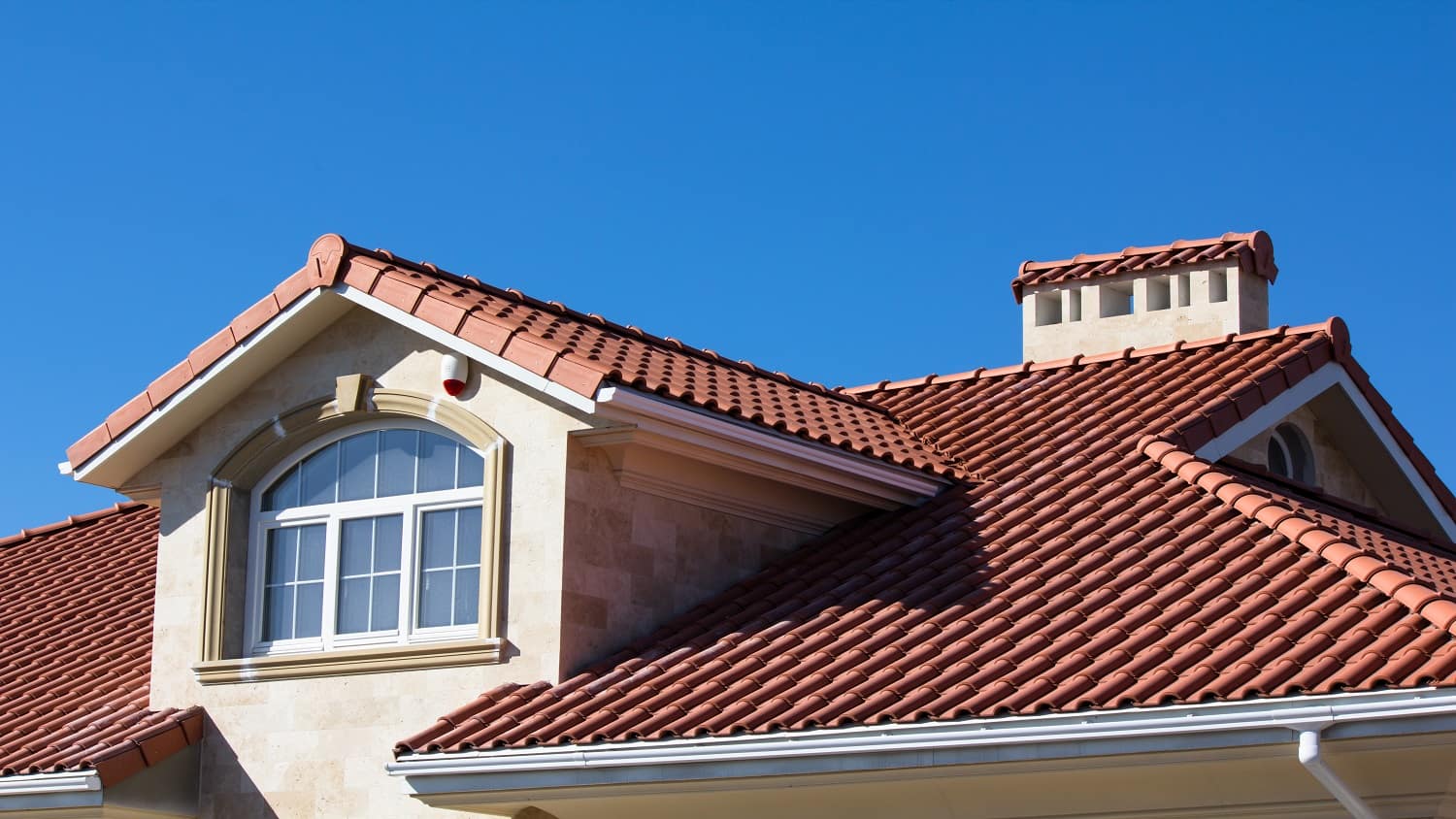
Clay tile roofing is more susceptible to damage from impact than something like a metal roof or even asphalt shingles, so they aren’t ideal in areas that see frequent windblown debris or hail. Clay tile roofs are also an average of $8,000 more expensive than asphalt shingle roofs, so up-front cost is an important consideration to make before committing.

Fall is widely considered the best time of year to replace a roof. The moderate temperatures are ideal for roofing crews to work and for new shingles to seal properly. Additionally, autumn weather is often drier, reducing the risk of weather-related delays compared to the rainier spring season.

While spring is also a viable option, the higher chance of rainfall can slow down the project. The main drawback to a fall installation is that it's the peak season for roofers, which can lead to higher prices and scheduling challenges.

To potentially save money, you could consider scheduling your roof replacement during the summer or winter off-seasons. However, both seasons have significant disadvantages. Extreme summer heat can make shingles too soft to handle, while winter's cold, snow, and ice can create dangerous working conditions and prevent shingles from sealing correctly, as they typically require temperatures above 40-45°F.

A roof pitch multiplier is an accurate way to calculate roof square footage, and it’s handy for purchasing the correct amount of materials. To determine your roof pitch multiplier, you'll need to calculate the roof slope, square it, and add it to 144. Next, find the square root of the total and divide it by 12. The answer is your roof pitch multiplier. Once you know the roof pitch multiplier, multiply it by the total square feet of your building to determine the total roof surface area.

The Littlefield, TX homeowners’ guide to roofing services

From average costs to expert advice, get all the answers you need to get your job done.